

Polypectomy Surgery in India: Procedure, Cost and Top Hospitals
When it comes to health, the saying "prevention is better than cure" is undoubtedly true. – Dr. Arun Prasad, Renowned Gastroenterologist
Imagine small, harmless growths in places like your colon, stomach, or nose slowly turning into serious health problems. These are polyps—common in over 30% of adults over 50, often developing without symptoms. While they might not cause immediate concern, if left untreated, they can evolve into life-threatening conditions like cancer.
Polypectomy Surgery offers a quick, minimally invasive solution, typically taking just 30 minutes to remove polyps and reduce the risk of cancer by up to 90%. With most patients resuming normal activities within a day or two, this procedure is a vital step in preventing future complications and ensuring better health.
What Is Polypectomy Surgery?
Polypectomy Surgery is a procedure used to remove polyps, which are small, abnormal growths of tissue found in mucosal membranes. These polyps can develop in different parts of the body, but they are most commonly found in the:
- Colon or Rectum
- Stomach
- Nose
- Uterus
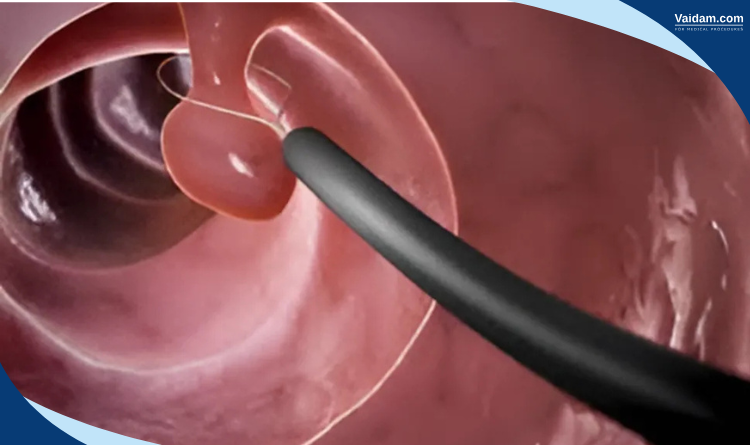
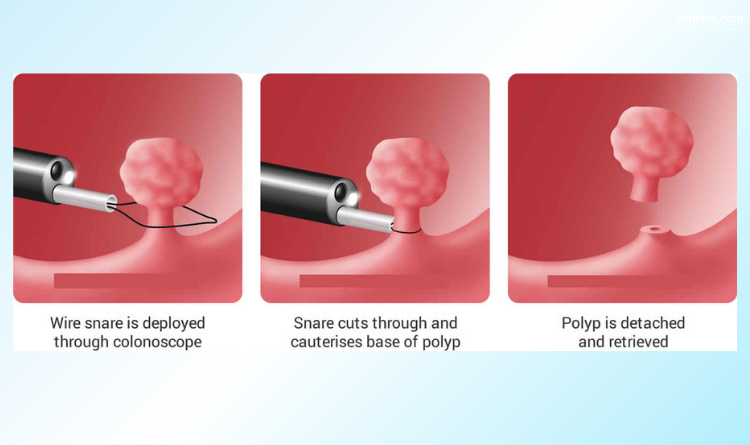
The surgery is often done using an endoscope, a flexible tube with a camera and tools, which allows doctors to remove the polyps with tiny cuts, leading to quicker recovery and more precise treatment.
Did You Know?
- About 5% of people with hereditary colorectal cancer syndromes, like Lynch syndrome, may need polypectomy in their 20s or 30s.
- A single procedure can remove up to 10 or more small polyps at once.
- New endoscopic techniques can remove "flat" polyps, which make up just 5% of colorectal polyps but are more challenging to detect.
Symptoms Indicating the Need for Polypectomy
Not all polyps cause symptoms, but certain signs warrant immediate medical attention:
- Rectal Bleeding or blood in stools
- Unexplained Abdominal Pain or cramps
- Changes in Bowel Habits (chronic diarrhoea, constipation)
- Nasal Congestion or Discharge (persistent blockage in the nasal cavity)
- Irregular or Heavy Menstrual Bleeding (uterine polyps)
Routine screenings, such as colonoscopy or endoscopy, often detect polyps even before symptoms arise, making early intervention possible.
Clinical Note: Approximately 30% of adults over 50 have colon polyps, with a small percentage turning cancerous over time. Early removal via polypectomy can reduce cancer risks by 70-90%.
What to Expect Before, During, and After a Polypectomy Surgery?
If you're thinking about having a polypectomy surgery, knowing what to expect at each stage can help reduce any worries. Here's a breakdown of what happens before, during, and after the surgery:
Before the Procedure
- Diagnosis: Doctors may perform tests like a colonoscopy, blood tests, and imaging to understand your condition.
- Diet: You might be asked to follow a clear liquid diet 1-2 days before the surgery.
- Bowel Prep: If you're having colon polyp removal, you may need to take laxatives or enemas to clean out your bowels.
During the Surgery
- Sedation: You'll receive either local or general anaesthesia to keep you comfortable.
- Endoscopic Procedure: An endoscope (flexible tube with a camera) is used to find and remove the polyps.
- Duration: The surgery usually lasts between 30–60 minutes, depending on the size and location of the polyps.
After the Surgery
- Monitoring: After the procedure, doctors will monitor you for any side effects like mild bleeding.
- Hospital Stay: Most patients don't need a long hospital stay. It's typically an outpatient procedure, but you may stay for a few hours for observation.
- Recovery: Most patients can return to normal activities in 5-10 days.
- Follow-Up: You may need a follow-up colonoscopy or endoscopy to make sure no polyps are left behind.
Post-Recovery Tip
After your polypectomy surgery, follow these specific tips for a smooth recovery and to reduce the risk of future issues:
- Eat High-Fiber Foods: Include fruits, veggies, and whole grains.
- Stay Active: Walk or do light exercises for 30 minutes daily.
- Drink Water: Aim for 6-8 glasses a day.
- Attend Follow-Ups: Keep regular check-ups with your doctor.
- Avoid Smoking & Alcohol: These can increase the risk of new polyps.
Benefits and Risks of Polypectomy Surgery
Benefits:
Choosing Polypectomy Surgery offers several advantages:
- Reduces Cancer Risk: Removes polyps before they can become cancerous.
- Minimal Invasiveness: Small incisions, less pain, and faster recovery.
- Quick Recovery: Most patients resume normal activities in 5-10 days.
- Highly Effective: High success rate in removing polyps.
- Prevents Future Issues: A healthy lifestyle helps avoid new polyps.
Risks and Complications:
While Polypectomy Surgery is safe and effective, some risks may include:
- Bleeding: Minor bleeding might happen but usually stops on its own.
- Perforation: In rare cases, a small tear at the surgical site may occur.
- Incomplete Removal: Larger polyps may require further treatment.
- Infection: Can be managed easily with antibiotics.
Why India is the Top Choice for Affordable and High-Quality Polypectomy Surgery?
While countries like the United States, Germany, Singapore, and Thailand are known for advanced medical treatments, India stands out for its unique blend of high-quality healthcare and affordability.
India is fast becoming a leading destination for medical tourism, especially for polypectomy surgery. The country offers a combination of high-quality healthcare and affordability that is unmatched by other countries.
In 2023, India experienced a 33% growth in medical tourism, with over 1.4 million international patients choosing India for their treatments.
Here are some reasons why India stands out:
- Affordable Costs: You can save up to 70% compared to the US or Europe.
- Minimally Invasive Techniques: Endoscopic polypectomy in India is a commonly used procedure which involves removing polyps through small incisions.
- Experienced Surgeons: Indian surgeons are highly experienced and well-trained in polypectomy surgeries.
- World-Class Infrastructure: India has over 40 JCI-accredited hospitals equipped with the latest medical technologies.
- High Success Rates: India boasts over a 95% success rate in polypectomy surgeries.
- Comprehensive Care: From diagnosis to recovery, India offers complete healthcare services.
- Seamless Medical Tourism Services: India provides visa support, accommodation, and language assistance to international patients.
Success Rate of Polypectomy Surgery in India
India is recognised for its 95-98% success rate in polypectomy surgeries, thanks to expert surgeons and advanced medical facilities.
Cost of Polypectomy Surgery in India
One of the most significant advantages of undergoing surgery for polypectomy in India is its affordability. The Polypectomy Surgery cost in India ranges from INR 30,000 to INR 45,000 (approximately $360 to $540), making it highly accessible for international patients. This range may vary based on factors such as the hospital's location, the surgeon's expertise, and the type of polypectomy procedure (such as hysteroscopic or colon polypectomy).
Below is a comparison of costs for Polypectomy Surgery in different countries:
|
Country |
Cost of Polypectomy Surgery in USD (Approx.) |
|---|---|
|
India |
$360 - $540 |
|
USA |
$3,000 - $7,000 |
|
UK |
$2,000 - $6,200 |
|
Germany |
$2,200 - $5,000 |
As seen in the table, India offers a significantly more affordable option compared to Western countries, without compromising on quality.
Top Doctors for Polypectomy Surgery in India
There are several leading surgeons for Polypectomy in India who are renowned for their expertise and compassionate care. Some of the top surgeons include:
- Dr. Aruna Kalra: With over 28 years of experience, Dr. Kalra is a renowned expert in polypectomy surgeries. She is known for her skilled approach and compassionate patient care.
- Dr. Rama Joshi: With 38 years of experience, she specialises in minimally invasive surgeries and offers exceptional care and expertise for polypectomy procedures.
- Dr. Erika Patel: A highly skilled surgeon with years of experience in performing polypectomy surgeries, offering advanced care to ensure successful outcomes.
You can learn more about the best doctors for Polypectomy Surgery in India by visiting Vaidam's website.
Top Hospitals for Polypectomy Surgery in India
India is well-known worldwide for its top-quality hospitals that offer advanced polypectomy procedures. These hospitals are equipped with skilled medical teams and provide excellent care at affordable prices. Some of the best hospitals in India for polypectomy surgery include:
- Indraprastha Apollo Hospital, New Delhi: Established in 1995, this prestigious hospital is part of the Apollo group. With over 15 acres of space, it is accredited by NABL and JCI. The hospital's laparoscopic surgeons are experts in procedures like polypectomy, colonoscopy, and bariatric surgeries.
- Fortis Memorial Research Institute, Gurgaon: This multi-speciality hospital has internationally trained doctors. It is spread across 1,50,000 square feet and offers high success rates in surgeries like polypectomy, GI surgery, and minimally invasive procedures.
- Kokilaben Dhirubai Ambani Hospital, Mumbai: Founded in 2009, this super-speciality hospital in Mumbai is known for its expertise in laparoscopic and minimal access surgeries. JCI, NABH, NABL, ISO, and CAP accredit it.
- World Infertility and IVF Center, New Delhi: With over 70 years of experience, this centre is one of the best in Delhi for infertility, laparoscopic surgeries, polypectomies, and hysteroscopy. It has a high success rate and offers excellent care.
For more information on the best hospitals for polypectomy surgery in India, visit Vaidam's website.
How to Prepare for Polypectomy Surgery in India
Preparing for your polypectomy surgery in India is crucial to ensure a smooth experience. Here's a checklist to help you get organised before your surgery:
- Documents to Carry: Bring medical history, reports, passport, and visa.
- Travel Plans: Arrive a few days before for pre-operative consultations.
- Accommodation: Stay near the hospital for convenience.
- Travel Insurance: Make sure to have health insurance that covers international treatments.
- Money Matters: Keep local currency and credit cards ready for payments.
- Medication: Carry any prescribed medications and a list of allergies.
Vaidam Assistance: Your Trusted Partner for a Smooth Journey
At Vaidam Health, we are here to make your medical journey in India as easy and comfortable as possible. From travel arrangements to post-surgery care, we provide seamless assistance at every step.

Here's how we support you:
- Logistics Management: We arrange transport and accommodation for you.
- Language Support: Translation services are available when needed.
- 24/7 Guidance: A dedicated care manager helps you throughout.
- Visa Assistance: We assist with visa queries and processing.
- Local Support: Local contacts are available for additional help.
- Post-Op Assistance: Ensuring seamless follow-up care after surgery.
Get Your Polypectomy Surgery Treatment Plan and Cost Today!
Polypectomy surgery can be an essential step in preventing serious health problems like cancer. Whether for polyps in the colon, stomach, or nose, it's necessary to find the right medical team and hospital. With proper preparation, recovery can be quick and smooth.
For personalised support, detailed information on treatment options, or to schedule a consultation, contact Vaidam Health today. Our experts will guide you through every step of the process. Take control of your health now!
Frequently Asked Questions About Polypectomy
1. Is Polypectomy surgery painful?
Polypectomy is minimally invasive, so it typically causes little pain. Any discomfort is well-managed with anaesthesia, ensuring a comfortable experience during the procedure.
2. Can polyps grow back after removal?
Although rare, polyps may regrow over time. This is why it's crucial to have regular follow-up screenings to monitor your health and prevent further issues.
3. Is Polypectomy surgery safe for older adults?
Yes, Polypectomy is generally considered safe for older adults, particularly with modern, minimally invasive techniques that reduce risks and promote faster recovery.
4. How do you sleep after polyp removal?
After the surgery, it's best to sleep on your side or back. Avoid pressure on your stomach, and use pillows to maintain a comfortable position as you recover.
5. Can I poop after polyp removal?
Yes, you can resume normal bowel movements after polyp removal. Some mild discomfort or slight changes in stool might occur in the first few days, but this is temporary and should subside soon.
Written by

Suryani Dutta
Vaidam Health · Updated 05 Dec 2024
Suryani Dutta is an experienced healthcare content writer with 4+ years of expertise creating evidence-based, SEO-driven content for the healthcare industry. She has developed 5,000+ healthcare content assets, including blogs, website content, doctor and hospital profiles, treatment pages, social media campaigns, and video scripts.
At Vaidam Health, Suryani creates high-quality content on advanced medical treatments, surgical procedures, hospital guides, doctor profiles, and patient education. Her work combines in-depth research with clear, reader-friendly writing to make complex medical information accessible to a global audience.
Beyond writing, Suryani contributes to content strategy, editorial planning, website optimisation, and digital healthcare campaigns. She has helped strengthen the online presence of healthcare brands by producing accurate, engaging, and search-optimised content.
Passionate about healthcare communication, Suryani is committed to creating trustworthy content that empowers patients, supports informed medical decisions, and highlights the latest advancements in global healthcare.
Outside of work, she enjoys exploring emerging medical innovations, following healthcare trends, and creating educational content that makes a meaningful impact.
Content meets the Vaidam Policy and is medically reviewed

 Chat
Chat