

What Organs Does a Gastroenterologist Deal With?
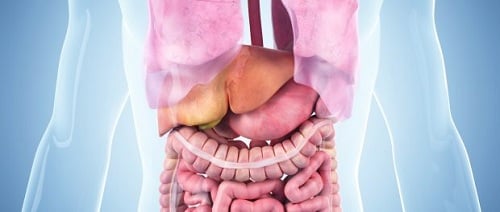
A gastroenterologist is a specialized doctor who deals in diagnosing and treating GI diseases in both men and women. He/she also performs endoscopic procedures by using instruments that facilitate better viewing of the GI Tract and make an accurate diagnosis. However, the surgeries are performed by those who are known as surgical gastroenterologists. The gastrointestinal system is responsible for movement and digestion of food within the gut, assimilation of nutrients and removal of waste products.
The gastrointestinal tract comprises of the following organs:
- Mouth (salivary glands, tongue)
- Pharynx
- Esophagus
- Stomach
- Small intestine
- Large intestine
- Liver
- Gallbladder
- Pancreas
- Rectum
- Anus
However, any illness related to the mouth is treated by a dentist or oral surgeon, while any illness related to the rectum or anus is treated by a proctologist.
What Conditions do Gastroenterologists Treat?
Some of the most common disorders treated by a gastroenterologist are listed below:
Acid reflux - This is the most common condition which is manifested as a burning sensation in the upper part of the stomach. The burning sensation is also known as heartburn. This occurs due to regurgitation of stomach acid into the food pipe. It can be treated by making changes in food.
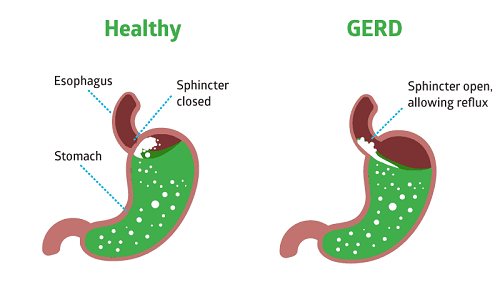
GERD or Gastroesophageal reflux disease - This happens when the acid reflux becomes more frequent and the symptoms get worse. This affects the lower esophageal sphincter, a ring which is present between the esophagus and stomach.
Hepatitis C - This is a liver disease caused by Hepatitis C virus. This virus can cause both acute and chronic hepatitis. The symptoms may vary from mild to severe and may last for a few weeks to a lifelong illness.
Jaundice - It is a yellow discoloration of the skin, mucous membranes, white of the eyes due to increased levels of bilirubin in the blood. Jaundice is a symptom of some underlying chronic disorder. Bilirubin is a by-product of the natural breakdown and destruction of the red blood cells within the body.
Hemorrhoids - Commonly known as piles, these refer to the swollen veins in the anus and lower rectum, similar to varicose veins. These hemorrhoids can develop inside the rectum or under the skin around the anus. Those occurring inside the rectum are called internal hemorrhoids and those under the skin are called external hemorrhoids.
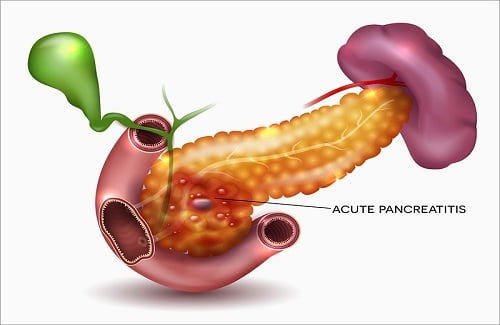
Pancreatitis - This is a disease in which the pancreas is inflamed. This occurs when the digestive enzymes get activated before being released into the small intestine and attack the pancreas. Pancreatitis may be acute or chronic. The acute pancreatitis is sudden inflammation taking place for a short time while chronic pancreatitis occurs a long-lasting inflammation of the pancreas.
The most common procedures performed by the top gastroenterologists in India are:
- Colonoscopy - a procedure done to detect colon polyps or colon cancer
- Endoscopic ultrasound - a procedure used to examine the upper and lower GI tract as well as other internal organs.
- Liver biopsy - this is done to access inflammation and fibrosis
- Sigmoidoscopy - to evaluate blood loss or pain during a bowel movement.
- Capsule endoscopy - to examine the small intestine
- Endoscopic retrograde cholangiopancreatography - to look for the gallstones tumors or any scar in the bile duct.
- Double balloon enteroscopy - this is also done to examine the small intestine.
Written by
Dr. Kavreen Arora
Vaidam Health · Updated 25 Sept 2026
Content meets the Vaidam Policy and is medically reviewed

Medically reviewed by
Dr. Bhawana Mittal Chat
Chat