

Why you should Choose IVF in India?
Intra-vitro fertilization or IVF is the process in which egg is fertilized with the sperm outside the body. The fertilized egg or zygote is kept under observation in favorable conditions for a few days and then transferred to woman’s body. It has become one of the most common procedures in India. IVF has been done in India for the last 40 years. There is a high success rate due to the advanced technologies and medical facilities available. Also, the cost for IVF in India is highly affordable as compared to the other countries.
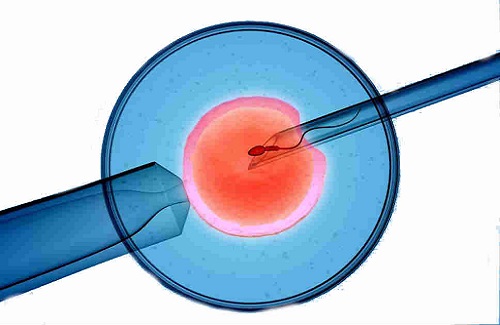
Following are some of latest mechanics used for Intra-vitro fertilization in India:
Intracytoplasmic sperm injection (ICSI)
Usually, during fertilization, the sperm faces problems while being injected into the egg. This is because the egg is surrounded by a hard shell. This creates hindrance in the fertilization, causing chances of failure. This is where ICSI comes into play, where the sperm is injected directly into the cytoplasm of the egg. Along the with ease of fertilization, it also reduces the number of sperms required for one egg.
Assisted hatching
The predecessor of the embryo is surrounded a layer of glycoprotein, which has to be hatched before the development of the embryo inside the womb. This process in known as Zona hatching. The technology basically assists in hatching of the layer, by making a small hole in the glycoprotein layer, using a small micromanipulator.
Pre-implantation genetic diagnosis (PGD) and pre-implantation genetic screening (PGS)
PGD is genetic profiling of the embryo before it is implanted into the mother’s womb. This is done to detect if there is any chromosomal defect in the embryo. It is generally done in cases, where there is a family history of congenital disorders.
PGS involved various techniques used to detect any chromosomal abnormalities by taking out few cells from the embryo.
This reduces the chance for the offspring having a congenital defect.
Time-lapsed imaging
This is developed from the a technique known as time-lapsed photography in which a series of photos are taken in an accelerated manner to monitor the condition of the embryo in the womb. This aids in selection of embryos with minimal risk of defects and greater potential of implantation.
Endometrial receptivity array
This test is used to analyse the receptivity of endometrium of the woman. This is widely used in cases of repeated IVF failure. This is also helps in estimating the time taken for embryo transfer.
All the above advances have exceedingly boosted the success of IVF in India
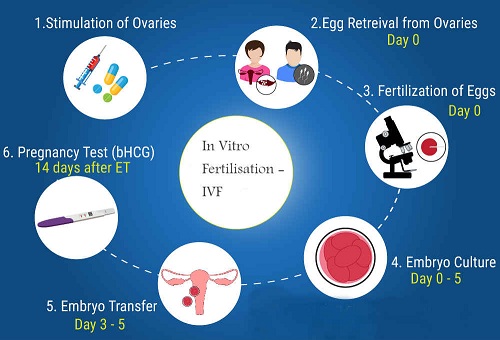
The topmost IVF hospitals in India have been made to render their valuable services at extremely reasonable prices. This is the reason people come here from all over the world to start their family. In addition to this, it provides personalised care to each patient. All the social, emotional and psychological aspects of the family are taken care of.
There are platforms like Vaidam Health, which also takes care of various other facets for the international patients like assistance in getting the medical visa, arrangements of accommodations, booking appointment with the doctors etc. They have a great contribution in several success stories of the patients coming to India. They make sure that the entire visit of the patient is comfortable and joyful.
Written by
Dr. Kavreen Arora
Vaidam Health · Updated 25 Sept 2026
Content meets the Vaidam Policy and is medically reviewed
Medically reviewed by
Dr. Bhawana Mittal Chat
Chat