

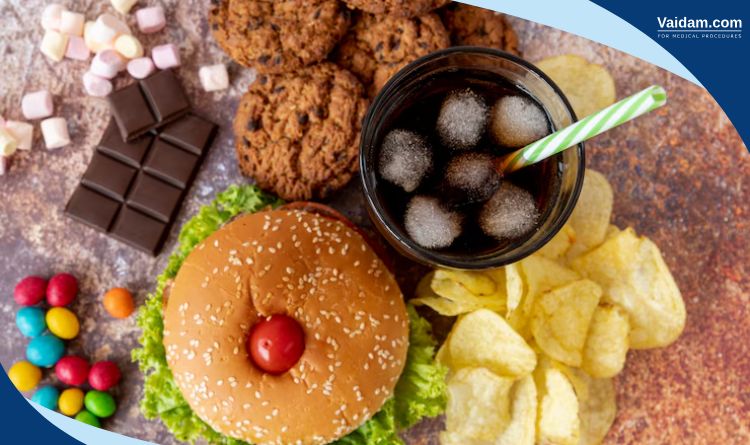
In today’s busy world, it’s no surprise that many of us reach for foods that are quick and hassle-free. Ready-made meals, snack bars, and sugary drinks often feel like the most convenient choices when we’re short on time. But while they may seem harmless, these foods could be quietly affecting our long-term health.
A lot of these everyday options fall under what’s known as ultra-processed foods—factory-made products loaded with ingredients you wouldn’t typically use at home. They’re often high in sugar, salt, and unhealthy fats, but low in essential nutrients like fibre and protein. Eating them regularly has been linked to issues like weight gain, diabetes, heart problems, poor digestion, and even mental health challenges.
In this blog, we’ll break down what ultra-processed foods are, why they can be harmful, how to recognise them, and simple ways to cut back without giving up convenience.
What Are Ultra-Processed Foods?
Ultra-processed foods extend well beyond basic cooking or preservation methods. They are industrially produced using ingredients that are rarely found in home kitchens, such as artificial flavours, preservatives, and added sugars. These products are engineered to be cost-effective, have extended shelf lives, and offer enhanced taste, often achieved through the use of synthetic additives.
Common ingredients used in ultra-processed products:
- Artificial sweeteners and flavour enhancers
- Preservatives to prolong shelf life
- Emulsifiers and thickening agents to improve texture
- Colouring agents
- High-fructose corn syrup
- Hydrogenated oils
These foods usually lack essential nutrients. They tend to be loaded with sugar, salt, and unhealthy fats while offering very little fibre, protein, or other essentials your body needs.
Examples of Ultra-Processed Foods
Ultra-processed foods show up in many everyday items, such as:
- Chips, cookies, and packaged snack foods
- Instant noodles and cup soups
- Sugary breakfast cereals
- Soft drinks, sodas, and energy drinks
- Flavoured or fruit yoghurts with added sugars
- White bread, burger buns, and shelf-stable baked goods
- Processed meats like sausages, hot dogs, and chicken nuggets
- Ice cream and packaged desserts
- Frozen ready-to-eat meals
They’re affordable, convenient, and widely advertised—but often low in nutrients and high in added sugars, fats, and additives, which can impact your health over time.
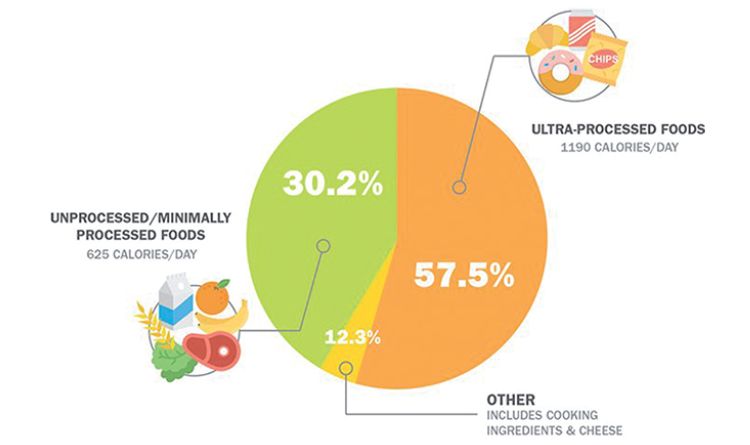
A typical daily calorie breakdown shows that over 57% of calories come from ultra-processed foods, highlighting their overwhelming presence in the modern diet.
Do You Know?
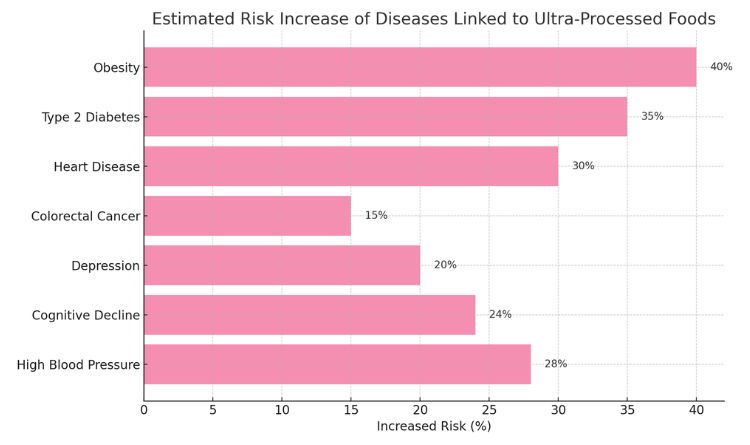
- A 2023 global review found that people who ate the most ultra-processed foods had a 24% higher risk of cognitive decline and memory issues.
- Many "healthy" packaged items, such as protein bars, granola, and plant-based meat alternatives, are heavily processed and high in sodium or artificial additives.
- Some food colourings and additives commonly found in ultra-processed foods have been banned in certain countries due to links with hyperactivity and behavioural issues in children.
Why Are Ultra-Processed Foods Harmful?
Ultra-processed foods might be convenient and flavorful, but studies have linked ultra-processed foods to serious health problems. Here's a closer look at the risks involved.
1. Low in Nutrients, High in Empty Calories
Ultra-processed foods are high in calories, sugar, salt, and unhealthy fats. They often lack essential nutrients, such as fibre, vitamins, and minerals. As a result, they fill you up without nourishing your body correctly. This imbalance can lead to overeating and weight gain over time because your body craves the nutrients it's missing.
2. Increase the Risk of Obesity
The mix of sugar, salt, and fat in ultra-processed foods makes them very appealing and easy to overeat. They trigger the brain's reward system, making it harder to stop at just one serving. This overeating can increase the risk of obesity.
3. Linked to Heart Disease and High Blood Pressure
These foods are often high in sodium and trans fats, which can raise blood pressure and LDL ("bad") cholesterol levels while lowering HDL ("good") cholesterol levels. This puts extra strain on the heart and blood vessels. Consistently eating ultra-processed foods increases the risk of cardiovascular diseases, including heart attacks and strokes.
4. Lead to Type 2 Diabetes
The high sugar content in many ultra-processed foods causes frequent spikes in blood sugar. Over time, this can reduce insulin sensitivity, leading to insulin resistance and eventually type 2 diabetes. Processed foods also tend to have a high glycemic index, meaning they are digested quickly and cause rapid increases in blood sugar levels.
5. Harm Digestion and Gut Health
Ultra-processed foods are often low in fibre, which the gut needs to stay healthy and work properly. On top of that, additives like emulsifiers and preservatives can upset the balance of good bacteria in the digestive system. This can lead to issues like bloating, constipation, and inflammation, and over time, may even increase the risk of other health problems.
6. May Raise Cancer Risk
According to a study, every 10% increase in the consumption of ultra-processed foods is linked to a 12% increase in the risk of cancer, particularly breast cancer. The reason is the use of chemical additives and the poor nutritional quality of these foods.
7. Affect Mental Health
Emerging research shows a connection between high intake of UPFs and mental health issues like depression and anxiety. While the link is still being studied, poor nutrition, inflammation, and gut-brain imbalance are thought to play a role.
Why Do People Eat So Many Ultra-Processed Foods?
There are plenty of reasons why ultra-processed foods have become a go-to for many people:
- Convenience: They're quick and require little to no preparation.
- Cheaper: Often more affordable than fresh fruits, veggies, or whole meals.
- Tasty and addictive: They're designed to keep you coming back for more.
- Innovative marketing: Colourful packaging, catchy slogans, and fun commercials, especially those targeting children, make these foods seem more fun and appealing than they really are.
While they seem convenient now, relying on them too often can have effects on health in the long run.
How to Eat Less Ultra-Processed Food?
Making small changes over time can lead to significant health benefits.
Practical Tips:
- Cook More at Home: Try to cook more at home and use simple, wholesome ingredients like fresh veggies, fruits, beans, and whole grains to build healthier habits.
- Pick Whole Grains: Try switching from white rice, bread, or pasta to healthier options, such as brown rice, oats, or whole-grain versions.
- Snack Smarter: Replace packaged snacks with nuts, seeds, fruits, or homemade options. another
- Read the Label: Fewer ingredients usually mean a better product. Avoid items with artificial additives or lots of sugar.
- Plan Ahead: Making meals in advance makes it easier to eat well and skip the temptation of grabbing processed food in a hurry.
Healthy Swaps: Easy Alternatives to Common Ultra-Processed Foods
|
Ultra-Processed Food |
Healthier Alternative |
|
Flavored yogurt |
Plain Greek yoghurt + fresh fruit |
|
Sugary cereal |
Oats with banana and nuts |
|
Potato chips |
Air-popped popcorn or roasted nuts |
|
Soda or energy drinks |
Water with lemon or herbal teas |
|
Instant noodles |
Whole wheat pasta + stir-fried veggies |
These small swaps can make a big difference in your energy levels, weight, and overall health.
Final Thoughts
Ultra-processed foods might save time and satisfy cravings, but making them a regular part of your diet can seriously impact your health. Over time, they've been linked to a higher risk of weight gain, blood sugar problems, heart conditions, poor digestion, and even certain types of cancer.
Starting with easy, manageable changes, such as cooking at home a little more often, paying attention to what's on food labels, and swapping out highly processed foods, can make a significant difference in how you feel over time.
Understanding what ultra-processed foods are and their impact on your body is the first step toward making smarter, healthier choices.


 Chat
Chat