

The Science of Hydration: How Much Water Do You Really Need Based on Activity Level and Climate?
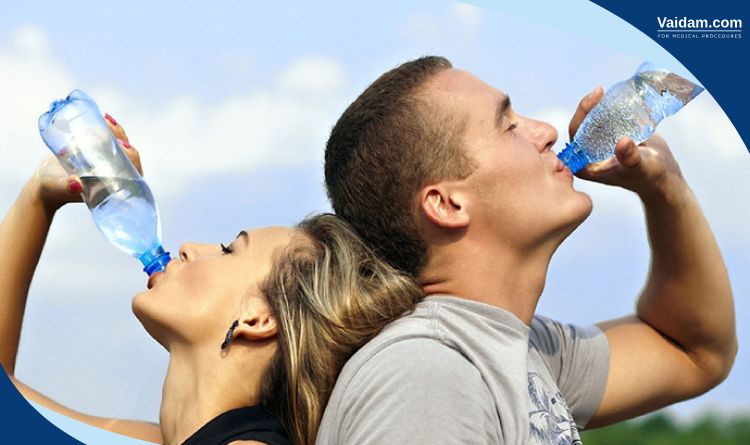
Water isn’t just something we drink, it is the lifeblood of our bodies. Making up about 60–70% of our body weight, depending on age, gender, and body type, water fuels nearly every function we depend on to survive. It keeps our organs working, our blood flowing, our digestion on track, and our temperature in check. It even plays a starring role in flushing out waste.
Despite its significance, many people are still unsure about the right way to stay hydrated. Does "eight glasses a day" suffice? How much water should someone who works outside, exercises frequently, or lives in an area with high humidity and heat consume?
In this blog, we'll explore how water keeps the body running smoothly. Learn how hot weather and physical activity affect how much water is needed and get simple, practical tips to stay hydrated every day.
What Does Water Do for Our Body?
Water plays an essential role in keeping our bodies healthy and functioning efficiently. Here's how it helps:
- Controls Body Temperature: Water facilitates sweating and cooling, which helps regulate body temperature, particularly during physical activity or in hot weather.
- Delivers Nutrients and Eliminates Waste: It helps cells eliminate waste through respiration, sweating, and urine while also providing vital nutrients and oxygen. Hence, it is essential to consult the Best Nephrologist in India for regular check-ups.
- Protects Organs and Joints: Water lubricates joints and absorbs shock for vital organs, reducing strain and harm.
- Maintains Blood Pressure: Hydration supports healthy blood pressure and easy circulation by keeping a steady blood volume.
- Supports Digestion and Avoids Constipation: Water helps break down food and soften stool, improving digestion and preventing constipation.
- Maintains skin Elastic and Healthy: Hydration prevents dryness and early aging symptoms by keeping skin elastic, smooth, and soft.
Lack of water causes these functions to deteriorate, which can result in headaches, exhaustion, difficulty focusing, and in severe situations, heat-related disorders.
The Benefits of Drinking Water
While the most immediate effect of drinking water is feeling refreshed, the long-term benefits of drinking lots of water are profound. Here's what happens when you drink water regularly:
- Improved energy levels and brain function: Staying well-hydrated helps boost energy levels by ensuring that your cells are functioning optimally.
- Healthier skin and digestion: Drinking enough water promotes healthy, glowing skin by keeping it moisturized from the inside.
- Better exercise performance: Drinking enough water keeps your energy levels high and speeds up muscle recovery, enabling you to work out harder and longer.
- Weight management: Staying hydrated can also boost your metabolism, helping you burn calories more efficiently, supporting weight management.
- Detoxification: Through the kidneys and liver support.
Therefore, staying hydrated isn't just important, it's essential for feeling and functioning your best.
Do You Know?
- Drinking water can help maintain your body’s pH balance, supporting the optimal functioning of enzymes and metabolic processes.
- Certain fruits, like apples and grapes, contain water and fiber, which can help prevent dehydration while also supporting digestive health.
- Consuming too much water in a short period, a condition known as water intoxication, can disturb electrolyte balance and lead to serious health issues.
How Much Water Do You Really Need?
Although hydration needs vary from person to person, the traditional recommendation of drinking eight glasses of water a day serves as a helpful general guideline. The actual amount of water required daily depends on several factors, including:
Baseline Recommendation:
The general water intake recommendations are:
- Men: Drink 4 liters of total water per day.
- Women: Drink 3 liters of total water per day.
This amount includes all fluids consumed, not just water, but also other beverages (tea, coffee, etc.) and the water content found in food.
Activity Level:
When active, the body loses water through sweat, making proper hydration crucial. Here are hydration guidelines for optimal recovery:
- Before Exercise: Drink two glasses of water 1-2 hours before exercise.
- After Exercise: Drink one glass of water within 30 minutes after a workout.
- Complete Rehydration: Rehydrate by drinking 1.5 times as much liquid as you lose via sweating.
Monitoring weight changes during the workout will help you estimate this amount.
Climate Factors:
Weather conditions such as heat, humidity, or dryness might increase your water needs. Climate has the following effects on fluid intake:
- Hot Climates: Increased sweating causes fluid loss more quickly in hot temperatures. When you're outside, try to consume an extra 0.5 to 1 liter of water per hour.
- High-Altitude Environments: Fluid loss through respiration happens more quickly at higher elevations. To make up for this increased fluid loss, more water must be consumed.
Chugging Water vs Sipping: What's Better?
You might think chugging water is the quickest way to get hydrated, especially when you're thirsty. But is it effective?
Chugging Water:
- Hydrates quickly, making it perfect for use after physical activity or in hot weather.
- Discomfort in the digestion system and bloating.
- Affects digestion by diluting gastric acid.
- Causes frequent urination by overtaxing the kidneys.
Sipping Water:
- Improves absorption and hydration.
- Keeps stomach acid from being diluted while promoting digestion.
- Keeps the kidneys healthy.
- Lowers the possibility of discomfort and bloating.
In most cases, sipping is the better strategy for hydrating your body throughout the day. However, chugging water has its place after strenuous activity or in emergency dehydration cases.
Signs You're Not Drinking Enough Water
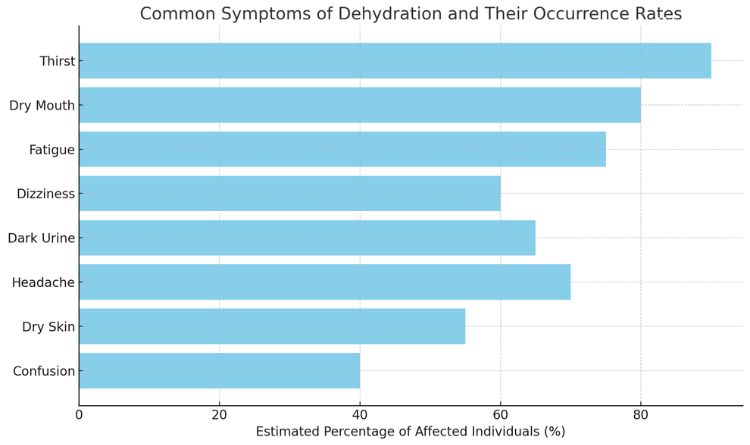
Dehydration can be subtle at first. Here's what to watch for:
- Dry mouth: Reduced saliva production leads to a dry mouth and can also cause unpleasant breath.
- Headaches: Frequent headaches are another red flag, as the brain is sensitive to even mild dehydration.
- Dry skin: Skin might feel dry or appear dull due to a lack of internal moisture.
- Constipation: It can result from the digestive system lacking the fluid needed to move waste efficiently.
- Dark-colored urine: This is a clear signal that your kidneys are trying to conserve water.
- Muscle cramps: This indicates electrolyte imbalance due to fluid loss, especially during exercise.
If you experience any of these signs regularly, it may be time to adjust how you hydrate yourself.
Certain groups need special attention when it comes to hydration—children may not notice thirst early, seniors often have a reduced thirst response, and those with kidney or heart conditions should follow medical advice on fluid intake.
How to Hydrate Yourself Effectively?
The best way to hydrate involves consistency and balance throughout the day. Some tips to remain hydrate are:
- Start your day with a glass of water: This helps wake up your metabolism and compensate for water loss overnight.
- Sip water regularly: Small, steady sips help maintain hydrated water levels better than infrequent, large intakes.
- Eat water-rich foods: Fruits like watermelon, cucumber, oranges, and strawberries are excellent for body hydration.
- Add electrolytes: Add sodium, potassium, and magnesium to improve water hydration after vigorous exercise or perspiration.
- Monitor urine color: Pale yellow means you're hydrated; dark yellow means you need more fluids.
Those with kidney conditions or fluid restrictions should always consult experts at the Best Nephrology Hospital in India before adjusting their fluid or electrolyte intake. By making hydration part of your daily routine, you'll support everything from mental clarity to physical performance.
What Is the Best Hydration Water?
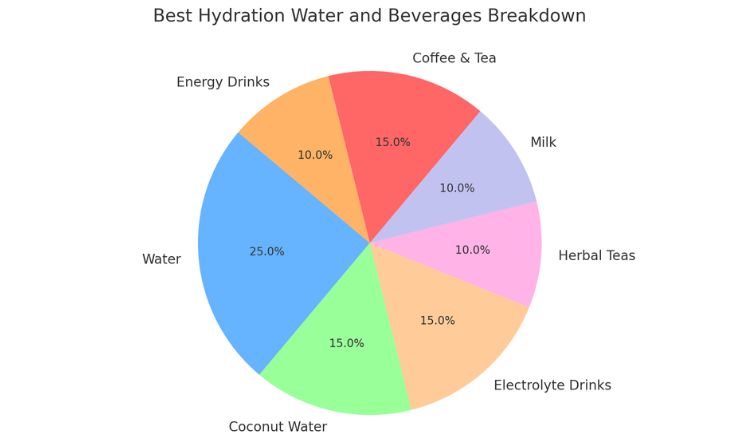
Not all drinks are created equal. Here's how common beverages stack up:
- Best: Water, coconut water, electrolyte drinks (without added sugar)
- Good: Herbal teas, milk
- Moderate: Coffee and tea (in small amounts—they're mild diuretics)
- Avoid: Sugary sodas, alcohol, high-caffeine energy drinks
Ultimately, plain water remains the most accessible and effective way to stay hydrated.
Drinking More Water Benefits: Habits to Build
If you struggle with your water intake, here are easy tips to incorporate drinking more water into your day:
- Keep a refillable bottle with you at all times.
- Set reminders or use hydration apps.
- Flavor water naturally with lemon, cucumber, or mint.
- Drink a glass before every meal.
- Replace one sugary beverage a day with water.
These little actions over time can have a significant effect on your general health and level of hydration.
Stay Hydrated, Stay Healthy
Hydration is much more than just drinking when you're thirsty. It involves being aware of your body's particular requirements, which are determined mainly by your activity level and the environment, and reacting to them with sensible, regular behaviors. Whether you're an athlete, a desk worker, or someone living in a tropical climate, knowing how much water to rehydrate and how to hydrate your body can make all the difference.
Remember, the importance of water can't be overstated. So fill up that bottle, sip regularly, and let water do its magic for your mind and body.
Written by

Shraddha Singh
Vaidam Health · Updated 09 May 2025
Shraddha Singh, a Biotechnology graduate, is a skilled content writer known for her well-researched, high-quality content. She simplifies complex topics, making them clear and engaging for readers. With expertise in technical writing, blogs, and SEO-driven content, she delivers informative and user-friendly content.
Content meets the Vaidam Policy and is medically reviewed
Medically reviewed by
Dr. Shruti Rastogi Chat
Chat