

Laparoscopic vs. Open Surgery: Choosing the Right Surgical Approach
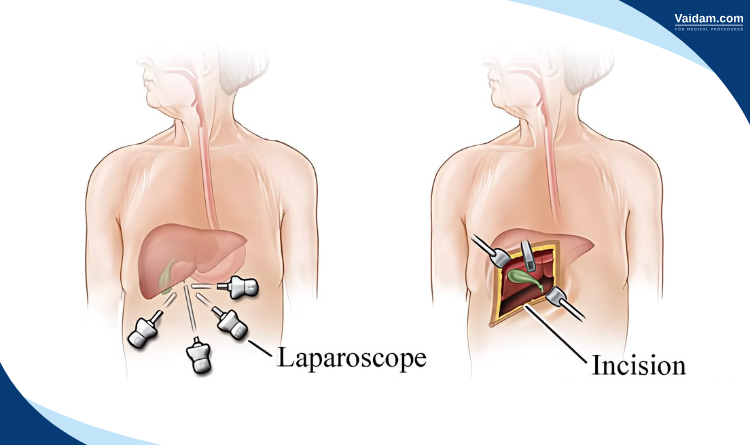
In today’s rapidly advancing field of medical technology, choosing the right surgical approach is a critical decision that can influence not only the success of the procedure but also the patient’s recovery experience. Traditionally, open surgery was the standard, with larger incisions providing direct access to internal organs. However, with the evolution of medical techniques, minimally invasive approaches like laparoscopic surgery have gained prominence. These approaches offer numerous benefits, such as reduced recovery time, minimised pain, and lower risks of complications.
Did you know?
- Laparoscopic surgery, also termed "keyhole surgery," has a shorter recovery time of up to 50% compared to open surgery.
- According to a study published in the Journal of Surgical Research, patients undergoing laparoscopic procedures experience 30% fewer complications.
India, renowned for its world-class healthcare infrastructure, is home to some of the best laparoscopy and open surgery hospitals. These facilities provide advanced surgical solutions, balancing traditional and modern techniques to offer tailored patient care.
This article delves into the distinctions between laparoscopic and open surgery, highlighting their advantages and disadvantages and when each approach is most appropriate. Additionally, it explores the advancements in laparoscopic techniques and the role of Indian hospitals in shaping the future of surgical care.
What is Laparoscopic Surgery?
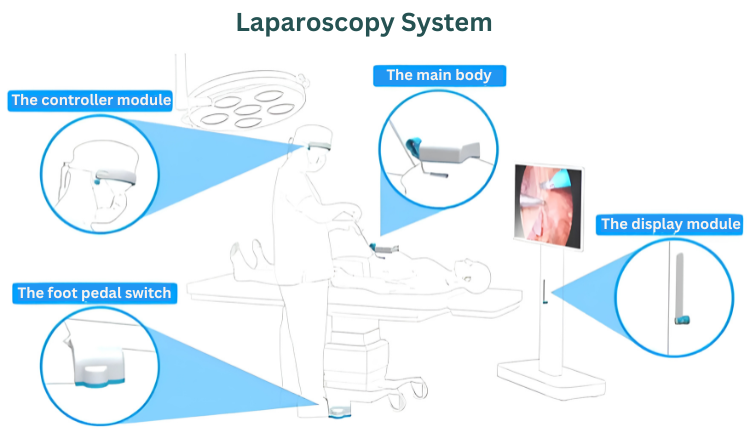
Laparoscopic surgery, often referred to as minimally invasive surgery, involves making small incisions (typically 0.5 to 1 cm) through which specialised instruments, including a camera, are inserted. The surgeon views the procedure through a high-definition monitor, which provides enhanced visibility of the internal organs and tissues. This technique allows for precise movements, reducing the chances of human error.
Advantages of Laparoscopic Surgery
- Minimal Scarring: Laparoscopic surgery requires larger incisions and results in small, barely noticeable scars. This makes it aesthetically preferable, especially for patients who are conscious of their physical appearance.
- Faster Recovery: Recovery times are significantly shorter with laparoscopic surgery. Patients often resume their daily activities within a week.
- Reduced Pain: Because of smaller incisions, patients experience less postoperative pain, which is a significant factor in patient comfort and satisfaction.
- Lower Risk of Infection: The minimal size of incisions drastically reduces the risk of infections, making it a safer option, especially for patients with weakened immune systems.
- Shorter Hospital Stays: Most patients are discharged within 24 to 48 hours after the procedure, which results in cost savings and a quicker return to normalcy.
Disadvantages of Laparoscopic Surgery
- Limited Suitability: Laparoscopy may not be suitable for all types of surgeries, particularly complex or emergency procedures where direct visualisation and access are critical.
- Higher Initial Costs: Although the long-term benefits outweigh the costs, laparoscopic surgery requires advanced equipment and specialised training for surgeons, which increases the initial investment.
- Learning Curve: Surgeons need extensive training and experience to master laparoscopic techniques, which might limit the availability of highly skilled practitioners in some regions.
Patients often choose the Best Operative Laparoscopy Hospitals in India for laparoscopic procedures, where state-of-the-art facilities and experienced surgeons ensure exceptional outcomes.
What is Open Surgery?
Open surgery, on the other hand, involves a larger incision directly at the surgical site to gain extensive visibility and access. It is often employed in situations where precision and manual control are essential, such as in complex organ transplants or emergencies.
Advantages of Open Surgery
- Suitable for Complex Cases: Open surgery is helpful for complex cases that require precise handling of organs, tissues, and structures. It is used for procedures like major reconstructions, transplants, and surgeries where accuracy is essential.
- Cost-Effective: Generally, open surgeries are less expensive due to the use of standard surgical tools and simpler setups. This affordability makes it accessible to a broader range of patients.
- Widely Available: Open surgery is well-established and does not require the advanced equipment or extensive training that laparoscopic surgery does, ensuring its availability even in smaller hospitals.
Disadvantages of Open Surgery
- Longer Recovery: Due to larger incisions, recovery from open surgery is prolonged. Patients may experience discomfort, prolonged hospital stays, and a need for physical rehabilitation.
- Higher Infection Risk: The larger wounds associated with open surgery increase the likelihood of infections, posing more significant health risks.
- Increased Pain and Scarring: Open surgeries typically result in more pain and noticeable scars due to the larger size of the incision.
For critical conditions such as heart bypass surgeries, consulting the Best Heart Bypass Surgery Doctors in India ensures access to highly skilled professionals and comprehensive care.
Exciting Advances in Laparoscopic Surgery in India
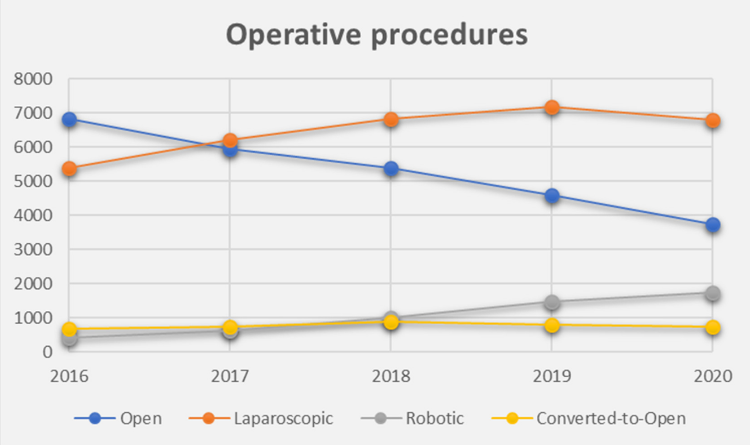
- Robots Changing Surgery: Robotic-assisted laparoscopic surgery is making operations more precise, quicker, and less painful for patients.
- Better for Patients: These advanced methods mean smaller cuts, faster recovery, and less discomfort for patients.
- India’s Medical Excellence: With these cutting-edge techniques, India is becoming a global hub for world-class laparoscopic care.
- Top Hospitals Leading the Way: Hospitals like Apollo, Fortis, and BLK-Max are pioneers in robotic surgeries and offer the latest treatments.
- Fast-Growing Market: The global robotic surgery market is expected to grow by 19.3% annually by 2028, and India is a major contributor to this growth.
Key Differences Between Laparoscopic and Open Surgery
When choosing between laparoscopic and open surgery, it’s important to consider factors like incision size, recovery time, pain, and costs. The table below highlights the key distinctions to help you understand which approach might be more suitable for your specific medical needs:
|
Aspect |
Laparoscopic Surgery |
Open Surgery |
|---|---|---|
|
Incisions |
Small (0.5-1 cm) |
Large (5-10 cm) |
|
Recovery Time |
1-2 weeks |
4-6 weeks |
|
Scarring |
Minimal |
Prominent |
|
Pain |
Less |
More |
|
Risk of Infection |
Lower |
Higher |
|
Suitability |
Limited to specific cases |
Suitable for complex surgeries |
|
Cost |
Higher upfront due to advanced tools |
Lower |
How to Choose the Right Approach?
Choosing the right surgical approach depends on various factors, including the type of surgery, the patient’s health condition, and the surgeon’s expertise. Here are some considerations:
1. Type of Surgery
- Laparoscopy is ideal for minimally invasive procedures such as gallbladder removal, hernia repair, and gynaecological surgeries.
- Open Surgery is often necessary for emergencies or cases requiring direct access, such as significant organ repairs or complex reconstructions.
2. Patient’s Condition
- For elderly or high-risk patients, laparoscopic surgery is generally preferred due to its shorter recovery period and lower risk of complications.
- Open surgery may be more appropriate for patients with advanced disease stages or previous surgeries that have resulted in complications.
3. Surgeon’s Expertise
-
Always consult experienced professionals. India has some of the best hospitals offering specialised laparoscopic and open surgery techniques. Institutions like Apollo, Fortis, and Max Healthcare house surgeons with advanced training in both minimally invasive and traditional approaches.
Cost Comparison in India
India is renowned for offering affordable surgical treatments without compromising on quality. Here’s a breakdown:
|
Type of Surgery |
Cost in INR |
Cost in USD |
|---|---|---|
|
Laparoscopic Surgery |
₹50,000 - ₹2,00,000 |
$600 - $2,400 |
|
Open Surgery |
₹40,000 - ₹1,50,000 |
$480 - $1,800 |
Hospitals specialising in laparoscopic surgery ensure cost-effective solutions while maintaining high standards of surgical care.
Your Path to the Best Surgical Outcome
Deciding between laparoscopic and open surgery is a crucial step toward recovery. Each approach has unique strengths, from the faster recovery of laparoscopic techniques to the comprehensive access provided by open surgery.
For expert advice and world-class treatment, consult the Best Operative Laparoscopy Hospitals in India or the Best Heart Bypass Surgery Doctors in India. With India leading advancements in medical technology, you’re assured exceptional care tailored to your needs.
Written by

Suryani Dutta
Vaidam Health · Updated 16 Dec 2024
Suryani Dutta is an experienced healthcare content writer with 4+ years of expertise creating evidence-based, SEO-driven content for the healthcare industry. She has developed 5,000+ healthcare content assets, including blogs, website content, doctor and hospital profiles, treatment pages, social media campaigns, and video scripts.
At Vaidam Health, Suryani creates high-quality content on advanced medical treatments, surgical procedures, hospital guides, doctor profiles, and patient education. Her work combines in-depth research with clear, reader-friendly writing to make complex medical information accessible to a global audience.
Beyond writing, Suryani contributes to content strategy, editorial planning, website optimisation, and digital healthcare campaigns. She has helped strengthen the online presence of healthcare brands by producing accurate, engaging, and search-optimised content.
Passionate about healthcare communication, Suryani is committed to creating trustworthy content that empowers patients, supports informed medical decisions, and highlights the latest advancements in global healthcare.
Outside of work, she enjoys exploring emerging medical innovations, following healthcare trends, and creating educational content that makes a meaningful impact.
Content meets the Vaidam Policy and is medically reviewed
Medically reviewed by
Dr. Shruti Rastogi Chat
Chat