

How Harmful are the Peptic Ulcers?
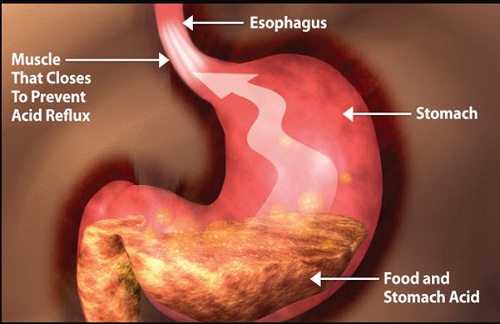
A peptic ulcer is a form of an open sore that can develop in the inner lining of the digestive tract. The most common locations for the occurrence of peptic ulcers are lining of the stomach, lower part of the esophagus and the small intestine. Based on the location, the peptic ulcers are of 3 types,
- Gastric ulcers - Ulcers that occur in the lining of the stomach
- Esophageal ulcers - Ulcers that occur in the lower part of the esophagus
- Duodenal ulcers - Ulcers occurring in the lining of the small intestine
The most common cause of peptic ulcers in the inflammation caused by the bacteria called as H.pylori or long-term use of any Non-Steroidal Anti-Inflammatory Drugs (NSAIDs).
Most Common Signs and Symptoms of the Peptic Ulcers
The most common signs include:
- Abdominal pain radiating to the chest
- Burning sensation in the abdomen
- Intolerance to fats
- Heartburn
- Nausea and vomiting
- Indigestion
- Breathlessness
- Dark tarry stools
- Unintentional weight loss
- Loss of appetite
In some cases, a few complications may also happen such as,
Hemorrhage - Sometimes, an ulcer can disrupt the lining of the stomach or the duodenal part of the small intestine and also damage the blood vessels, which can cause bleeding. As a result, the blood oozes out of the blood vessels and seep into the digestive tract. This can eventually cause anemia if persisted for a long time. The patient may start feeling tired and dizzy in his routine life. Unfortunately, if the blood vessels involved are larger, the blood loss will be more rapid. Consequently, there may be sudden weakness and blood with the vomit or the stools. In this type of cases, the patient needs to seek immediate medical help.
Perforation - Occurrence of numerous ulcers can perforate the stomach or the intestine lining. This may become a serious issue in which the partially digested food can leak into the abdominal cavity. This can cause inflammation of the membrane of the abdominal cavity, which is known as peritonitis. This is manifested as extremely sharp abdominal pain that is aggravated on movement. Moreover, a peptic ulcer may also penetrate through the walls of the stomach or the small intestine into another abdominal organ like the pancreas.
Obstruction of the duodenal opening - In certain cases, where an ulcer is formed at the junction of the stomach and the duodenum, the opening of the duodenum can be blocked due to the scar formed later. This causes hindrance in the passage of food from the stomach to the small intestine. The patient will feel nausea, vomiting and bloating along with reduced appetite.
What are the Causes of Peptic Ulcers?
Normally, the inner wall of the stomach is lined by a mucous covering that gives protection against the acid that is formed during the digestion of the food. In the situation where the amount of acid increases or the mucous layer gets weakened, an ulcer is formed.
Some of the most common causes include,
H. Pylori infection - A bacteria are known as Helicobacter pylori usually resides in the mucous layer that lines the stomach. In certain circumstances, it can cause inflammation which leads to an ulcer.inflammation. The H. pylori infection can be transmitted from one person to another by kissing or through infection food and water.
Long-term use of pain-relieving medications - certain medications such as aspirin or Non-Steroidal Anti-inflammatory Drugs (NSAIDs) has the tendency to irritate the lining of the digestive tract. Some examples include ibuprofen, naproxen sodium, ketoprofen etc. The NSAIDs slow down the secretion of an enzyme called prostaglandins, which helps in the production of the mucous layer that protects the stomach lining from the acidic secretions. Hence the long-term use of these drugs can increase the risk of peptic ulcers.
Some other risk factors include:
- Smoking
- Spicy food
- Stress
- Aerated drinks
- Radiation therapy
- Stomach cancer
- Excessive alcohol
Diagnosis
Peptic ulcers are routinely diagnosed by the following investigations:
Tests for H. pylori infection
Breath Test - This is based on the fact that H.pylori bacteria produce an enzyme called as urease, which is not normally found in the stomach or the duodenum. It is only present in the people with H.pylori infection which helps the bacteria survive in the acidic environment created by urease. This is the most accurate test and also used to check if the infection has been treated entirely.
Other tests include the stool test that checks the presence of H.pylori bacteria and the blood test that look for the antibodies produced in the body against the bacteria.
Gastroscopy (Gastrointestinal Endoscopy) - This is a procedure that confirms the presence of peptic ulcers. This is recommended either in people above the age of 55 or some complicated procedures. A thin and flexible tube with an attached camera called an endoscope is inserted through the mouth until the throat to reach the stomach and duodenum. It provides the views and images of the lining of the stomach and duodenum. If an ulcer is found, some tissue sample is taken and sent for biopsy to check the presence of H.pyroli.
Upper Gastrointestinal Series - A series of X-ray is taken to see the images of esophagus, stomach, and small intestine, after the patient is given a substance called barium to swallow. Barium coats the digestive tract and makes the ulcer more visible.
How is it Treated?
Following medications are given to the patient for the treatment of peptic ulcers.
Antibiotics - certain antibiotics such as amoxicillin, clarithromycin, metronidazole, tinidazole, tetracycline, and levofloxacin are given to patients with H.pylori infection. These are given along with some other medications for nearly 2 weeks.
Proton-pump Inhibitors - These drugs inhibit the acid production in the digestive tract and accelerate the healing process. These drugs include omeprazole, lansoprazole, rabeprazole, esomeprazole, and pantoprazole. Excessive use of these medications may also increase the risk of bone fractures especially hip, wrist and spine.
Acid Blockers - Certain medicines such as histamine (H-2) blockers are used to reduce the amount of stomach acid released into the digestive tract. This causes relief in the ulcer pain and promotes healing. The medications include Zantac, Pepcid, Tagamet HB, and nizatidine.
Antacids - These drugs neutralize the stomach acid and provide instant relief.
India is a medical hub for all kinds of gastrointestinal treatment. There are some of the best gastroenterology hospitals that providing an affordable stomach ulcer treatment cost in India.
Written by
Dr. Kavreen Arora
Vaidam Health · Updated 25 Sept 2026
Content meets the Vaidam Policy and is medically reviewed

Medically reviewed by
Dr. Bhawana Mittal Chat
Chat