

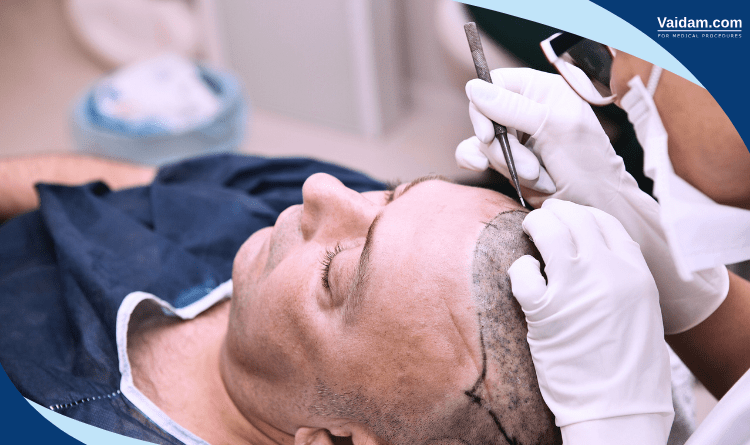
Is your presence in a room quietly noted by the strands of hair you've left behind? Does the sight of thinning hair or a receding hairline in the mirror leave you feeling self-conscious?
If so, you're not alone. Hair loss is a prevalent problem impacting millions globally, both men and women.
Understanding Hair Loss
We lose hair every day while combing or tying them, which is quite normal. The question is, how much hair loss is acceptable before it becomes concerning?
Let's get more precise. It's normal if you're shedding hair strands between 50 and 100 every day. But when you start losing more than usual, the situation in which your hairs are not growing back at the same rate becomes a matter of concern.
Now the question is, why do we lose hair? Let's discuss some of the most common causes of hair loss.
Neglecting proper hair care routines
This could be infrequent hair washing, lack of enough conditioning, and insufficient scalp cleaning, leading to hair damage and loss.
Accumulation of styling products
Several hair products, along with oils and dirt, clog the hair follicles and restrict hair growth.
Improper styling
Who doesn't enjoy styling their hair? Whether curling or straightening to match the outfit, hair styling tools give you the flexibility to achieve the hairstyle you want. However, excessive use of heat-based hair styling tools, chemicals, and tight hairstyles can weaken hair strands and lead to breakage and sometimes hair loss.
Hormonal changes
Hormonal changes are usually seen in women after pregnancy and menopause. The levels of estrogen and progesterone drop significantly, causing hair to grow more slowly and become much thinner.
Genetic factors
Genetic factors not only determine the pattern (male pattern or female patterned baldness) and the onset of hair loss but also impact the effectiveness of various treatment options. Some common causes of hair loss linked to genetic factors are as follows:
- Androgenetic Alopecia is the most common form of hair loss, occurring in both men and women. It is a progressive thinning of hair, typically following a specific pattern determined by inherited genes. One of the genes is AR, and any change in it leads to genetic alteration leading to hair loss.
- Alopecia Areata was in the headlines in 2022 due to a controversy at the Oscars ceremony. A comedian was slapped after he made a joke about the medical condition of a celebrity's wife who was suffering from alopecia.
This is an autoimmune hereditary disease in which the body's immune system starts attacking hair follicles, leading to sudden, patchy hair loss on the scalp and sometimes on the entire body.
Treatments such as Chemotherapy
Cancer patients undergoing chemotherapy have extremely high chances of hair loss. Once the patient recovers and chemotherapy stops, the hair starts growing back to normal.
No matter what the cause of hair loss is, it brings both emotional trauma and stress to the affected individual. Then, they switch to a variety of remedies and medications to regrow their hair.
When all efforts yield no results, many turn their hope to hair transplant. This procedure offers hope for regaining the hair and also brings confidence and peace of mind.
What is a Hair Transplant?
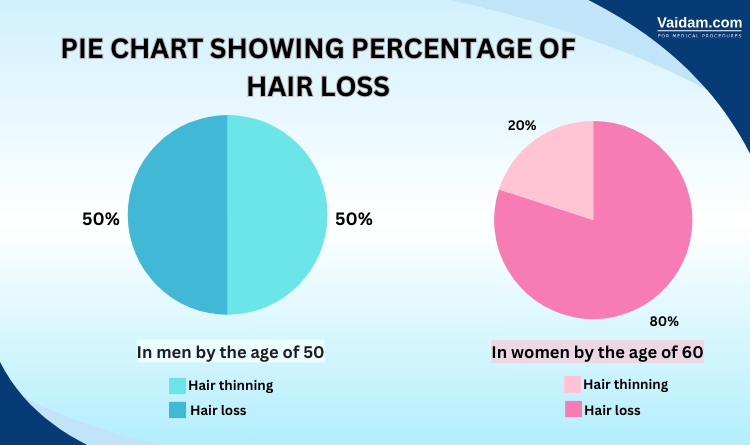
Once baldness begins to set in, usually around the age of 40, restoring hair to its original density becomes difficult. Around 50% of men experience some degree of hair loss by age 50, whereas around 80% of women experience signs of hair thinning by the age of 60.
Many people affected by baldness opt for hair transplants as their preferred solution. A hair transplant is a surgical procedure in which hair follicles are removed from the donor site. These donor sites are usually concealed, and removing hair from them won’t affect the overall appearance much. Then, it is attached to a bald or balding portion of the head, known as the recipient site.
The common approaches used by cosmetic surgeons for hair transplants include:
Follicular unit strip surgery (FUSS)/Follicular unit transplantation (FUT)
In this procedure, the surgeon removes a patch of skin containing the hair follicles (6-10 inches). This patch of skin is known as a graft, and it is usually extracted from the occipital area (back of the head).
Then, the graft is divided into 500 to 2,000 tiny grafts, each with an individual hair or just a few hairs based on the area of baldness. The dissected follicular units are then carefully placed into the recipient sites (area of baldness). Then, the natural growth patterns are reestablished in that area, and the wound at the donor site heals naturally.
Follicular unit extraction (FUE)
This procedure begins by shaving the donor area from which hair has to be extracted. Then, with the help of a micro-punch tool, the surgeon extracts individual hair follicles from the shaved donor area.
The extracted follicles are then preserved in saline or cold Ringer’s lactate solution.
Some tiny incisions are then made in the recipient area (area of baldness). The extracted follicles are then implanted into these incisions. After around three months, new hair starts growing from these implanted follicles at a normal rate.
Both of these hair transplant procedures take 4-8 hours, but it may vary depending on the area of the hair transplant. After hair implantation, the donor area is cleaned and bandaged, and post-procedure care instructions are given for optimal healing.
How to Prepare Yourself for a Hair Transplant?
A hair transplant, though, is not an invasive surgical procedure. Its success rate highly depends on the preparation prior to the transplant and how it is managed.
- Regular head massages: Before the procedure, doctors recommend massaging the scalp for 10-20 minutes every day for a few weeks. This will stimulate the follicles and increase the scalp's elasticity.
- No smoking and drinking: This is recommended, as alcohol and cigarettes may interfere with the healing time, and as a result, the hair transplant process may get unnecessarily complicated.
- Stop medication intake prior to the transplant: Many medicines are known to increase the risk of bleeding and should be stopped. These medicines include anticoagulants, clopidogrel and some vitamin supplements.
- Medical examination: Before the transplant, it’s essential to know your health status. This typically includes blood examination to detect any unnoticed blood complication. Any medical condition should also be informed to the surgeon so that additional measures can be taken on time.
What Should be the Post-hair Transplant Care?
Once your hair transplant is over, your surgeon will provide a list of do’s and don’ts for the first few weeks. These are crucial periods when the surgeons focus on timely healing and hair regeneration. Some general suggestions for hair transplants are listed below.
- Wash hair with mild shampoo and avoid other hair chemicals: It’s highly recommended to avoid chemicals which might irritate the scalp or affect the healing process of the transplanted hair follicles.
- Mild combing and brushing of hair: Since the scalp is in the healing process, you should be gentle when combing or brushing your hair, especially around the donor and recipient areas. You should avoid pulling or tugging on the hair to prevent disturbing the newly implanted follicles.
- Stay away from direct sunlight: You should protect your scalp from direct sunlight, especially in the initial weeks after the procedure. Excess sun exposure may irritate and potentially damage the sensitive skin and follicles.
- Regular follow-ups with the doctors: For the first few weeks, you should schedule and attend regular follow-up appointments with your hair transplant surgeon. These appointments are crucial for monitoring the healing process, addressing any concerns like bleeding or etching, and ensuring that the transplanted hair is growing as expected.
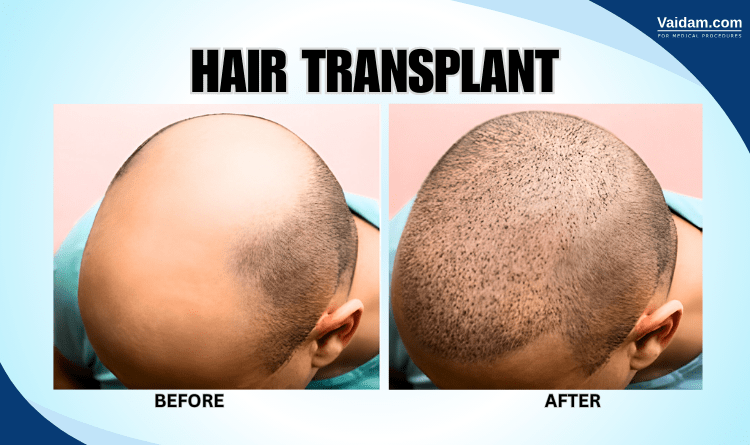
For best results after the hair transplant, it is important to take proper care of your scalp. Also, enough time should be given for the scalp to heal. Since, it takes around 2-3 months before your transplanted follicles fully take and begin to naturally grow new hair, adequate care is extremely crucial at this stage.
Remarkable Cases of Celebrities' Hair Transplant
Along with its biological function of protecting the skull, hair plays an integral role in shaping our personal identity and style statement. Hence, for many individuals, hair loss can be a source of worry and anxiety. This problem affects individuals regardless of social status, from common people to celebrities.
Wayne Rooney Hair Transplant
Wayne Rooney, one of the greatest English footballers, bravely shared his hair loss journey, starting at the age of 25. His openness about his successful hair transplant journey has inspired many and normalised the hair transplant procedure.
Gordon Ramsay Hair Transplant
Gordon Ramsay, a celebrity chef, restaurateur, and renowned television personality, drastically changed his looks from a receding hairline to a notably dense and youthful hairstyle.
It’s not surprising to inform you that hair transplants are not limited to foreign celebrities. Some of the well recognised Indian celebrities with hair transplants are:
Anup Jalota Hair Transplant
A few years ago, the Bhajan Samrat of India, Anup Jalota, shared his story of a hair transplant, which defines aesthetic interventions as essential elements in both personal and professional life.
Kapil Sharma Hair Transplant
Known for his prompt jokes and his witty sense of humour, Kapil Sharma attracted media attention when he made public appearances with his bald hair. Though he never admitted to the hair transplant himself, his sudden thick hair on the camera surprised everyone. The medical professionals indicated the hair transplant procedure, which enhanced his appearance.
Conclusion
Hair loss is one of the medical conditions that people notice immediately. The strands of hair after combing or hair washing are the witnesses that it’s time to take some action. You may try many measures, but they don’t always bring positive outcomes.
When it comes to a hair transplant, it’s obvious to hesitate a bit since it’s a surgical procedure. But are you aware that the success rate of the hair transplant procedure is 90-95%? Imagine the confidence after you no longer have to hide yourself from certain angles because of your bald patch.
There is no need to hesitate. Remember to get proper guidance from a qualified and experienced board-certified plastic surgeon and plan your hair transplant in India now.

 Chat
Chat