

Cardiac Surgery in Singapore
With 17.9 million deaths annually, cardiovascular diseases (CVDs) are the leading cause of death worldwide. The group of heart and blood vessel disorders known as CVDs includes conditions like coronary heart disease, cerebrovascular disease, rheumatic heart disease, and other illnesses.
Heart attacks and strokes account for more than four out of every five CVD deaths, and one-third of these deaths happen before age 70.
In 2019, 38% of the 17 million premature deaths (before the age of 70) caused by noncommunicable diseases were attributable to CVDs, according to the WHO.
What are Cardiovascular Diseases (CVDs)?
The main reason for the occurrence of cardiovascular heart disease is the increase in the level of cholesterol. Disorders of the heart and blood vessels cause cardiovascular heart diseases. These include
-
Coronary Heart Disease: Disease of the blood vessels that supply blood to the heart muscle;
-
Cerebrovascular Disease: Disease of the blood vessels that supply blood to the brain;
-
Peripheral Arterial Disease: Disease of the blood vessels that supply blood to the arms and legs;
-
Rheumatic Heart Disease: Damage to the heart muscle and valves from rheumatic fever caused by streptococcal bacteria;
-
Congenital Heart Disease: Defects of the heart structure present at birth;
-
Deep Vein Thrombosis and Pulmonary Embolism: Blood clots in the leg veins can disrupt the functioning of the heart and lungs.
Heart attacks and strokes are typically sudden and severe events mainly brought on by a blockage that stops blood flow to the heart or brain. Fatty deposits accumulated on the inner walls of the blood arteries that supply the heart or brain are the most frequent cause of this. Blood clots or haemorrhage from a brain blood artery can both result in strokes.
How Widespread is Cardiovascular Illness?
Worldwide and specifically in the United States, cardiovascular disease is the leading death factor.
Cardiovascular disease affects about half of the American people. People of all ages, sexes, races and financial statuses are impacted. Cardiovascular disease claims the lives of one in three women and those whose gender is determined at birth.
What are the Risk Factors for Cardiovascular Diseases?
The risk factors of heart disease are uncommon habits, behaviour and routine, which increase the risk of a person suffering from heart disease. Some of the significant risk factors are as follows:
-
Smoking
-
Lack of exercise
-
Fatty diet
-
Obesity
-
High blood pressure
-
Family history of cardiovascular disease
What are the Common Symptoms of Cardiovascular Diseases?

Depending on the reason, cardiovascular disease symptoms may vary. However, the most common symptoms of cardiovascular diseases are as follows:
-
Signs of a cardiac condition
-
Chest pain (angina)
-
pain, weakness or numb legs and arms
-
Leg pain
-
breathing difficulty (dyspnea)
-
The improper beating of the heart (very fast or slow heartbeat or palpitations)
-
Fainting or dizziness
-
Weariness or fatigue
What are the Methods to Cure Cardiovascular Diseases?
The treatment of cardiology diseases depends on various factors, such as the type of cardiology disease the person is going through and, most notably, the condition of the cardiac patient. However, the most common ways to cure cardiac patients are maintaining a healthy lifestyle, taking proper medication, etc. Bad habits like Smoking increases the risk of heart disease. The most excellent method to lower your risk of heart disease and its complications is to stop smoking. Most importantly, maintaining a good physique and regular control help you maintain a healthy weight which can also help you overcome the problem of heart disease.
A tiny problem cannot be ignored to save the patient from getting more serious. For which, heart surgery is the only way left. Yes, professional help can be the best solution to this issue.
What is the Need for Heart Surgery?
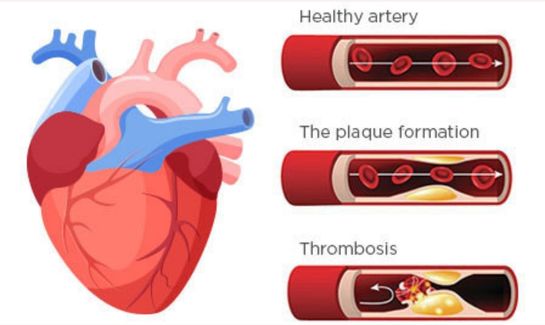
Not all heart-related issues call for surgery. They may occasionally be treated with dietary adjustments, drugs, or noninvasive techniques. As an illustration, catheter ablation uses energy to create tiny scars in the tissue of your heart to stop the passage of aberrant electrical signals through your heart. To keep it open, a stent is put into a constricted or obstructed coronary artery during a minimally invasive treatment called coronary angioplasty.
Medication may be required to control heart disease symptoms and avoid complications if lifestyle modifications are ineffective. However, the medicine may vary based on the cardiac condition.
Some heart disease sufferers might require treatment or surgery. The type of heart illness and the degree of cardiac damage will determine the sort of operation or surgery.
Nevertheless, heart failure, plaque accumulation that wholly or partially limits blood flow in a coronary artery, damaged heart valves, dilated or diseased major blood vessels (like the aorta), and irregular heart rhythms frequently require surgery. And Singapore is the best place for cardiology (heart surgeries).
The branch of medicine that deals with disorders of the heart and the cardiovascular system are known as Cardiology.
Heart surgeries are of many types, some of them are:
-
Coronary artery bypass grafting (CABG)
-
Heart valve repair or replacement
-
Implanting a pacemaker or implanted cardioverter-defibrillator (ICD)
-
Aneurysm repair
-
Maze Surgery
-
Aneurysm repair
-
Heart Transplant
What are the Best Cardiology Clinics in Singapore?
You must double-check much information while choosing a location for your cardiac surgery. Make sure the facility you have chosen to treat your issue has a group of qualified medical professionals who can do it safely.
In addition, the hospital should be adequately equipped with technological tools to reduce the possibility of errors and prevent you from encountering additional issues while receiving treatment. When choosing a location for treatment, people should always pay attention to the importance of a suitable infrastructure because this is where they will be residing until they are fully recovered. The most important thing one should look for is the quality of the hospital and the qualifications of the doctors a patient is getting treated from.
Some of the best hospitals you can choose for your cardiac treatment are as follows:
-
Changi General Hospital, Singapore: An academic medical facility with more than 1,000 beds, Changi General Hospital (CGH) serves more than 1 million residents of Singapore. It is led by a knowledgeable and experienced team of healthcare professionals who consistently provide patients with excellent care and a wide range of medical specialities.
-
Gleneagles Hospital, Singapore: A world-class JCI-accredited cardiac surgery hospital since 2006, it offers specialized diagnostic and imaging services to the general public and, thanks to its stellar reputation for patient care, draws many foreign visitors from all over the world.
-
Mount Elizabeth Hospital, Singapore: A multi-speciality hospital established in 1979, Oncology, Neuroscience, Cardiology, Sports & Orthopaedics, Maternity, IVF, Prostate Care for Men, Gastroenterology, and Haematology are just a few of the 40 medical and surgical specialities available.
Who are the Best Cardiac Surgeons in Singapore?
-
Dr. Yong Quek Wei: The member of the Singapore Cardiac Society, Singapore Medical Council, and the Academy of Medicine of Singapore, Dr. Yong Quek Wei is a leading interventional cardiologist holding more than 35 years of experience.
-
Dr. C. Sivathasa: A successful cardiac surgeon specializing in Cardiothoracic Surgery, received numerous honours, including the National Outstanding Clinical Award from the Ministry of Health in 2011 and the Healthcare Humanity Award from the President of Singapore in 2010.
-
Clin. Assoc. Prof. Tong Khim Leng: An Interventional Cardiologist with over 30 years of experience, she has been honoured with various prestigious awards for her contribution to Abnormal Heart Rhythm/Arrhythmia, Coronary Artery Disease/Coronary Heart Disease and Heart Attack.
-
Dr. Jayaram Lingamanaicker: Holding a degree of MBBS, he is an interventional cardiologist with over 20 years of experience.
What is the Visa Procedure for a Medical Tour to Singapore?
If you have a travel document issued by India, you will require a visa to visit Singapore. Please be aware, nevertheless, that people with diplomatic, official, and service passports can enter without a permit.
-
Fees: A nonrefundable processing fee of S$30 has to be paid online using a MasterCard credit/debit card.
-
Processing Time: Generally, visa processing takes three working days, excluding the day of submission. However, applying at least a month before visiting the country is advised.
What is the Cost of Cardiology Treatment in Singapore?
The cost of your cardiology treatment depends on your condition or what treatment you need to eliminate this issue. However, for a better understanding of variations in cardiology in Singapore, follow the table below.
|
Treatment Name |
Cost Fluctuate Between |
|
$2150 to $3200 |
|
|
$14000 to $25000 |
|
|
$4000 to $15000 |
Conclusion
Professional help from qualified surgeons can help you overcome this issue soon. Make a plan to consult the cardiologists in Singapore to receive the professional’s assistance cost-effectively. Singapore is the best place to get rid of this problem. The country is a hub of various specialised and skilled surgeons who have experience handling multiple complicated surgeries.
Role of Vaidam
Apart from assisting you in identifying and making the best healthcare decisions, Vaidam is a NABH-certified healthcare discovery platform that will put you in touch with top-tier medical professionals, hospitals, wellness options, and reliable travel partners.
You may look for the top hospitals, read reviews of them, see images of the hospitals' buildings and the areas where they are located, and find out how much medical care will cost; we are here to help you.
FAQs
-
Is it right to go to Singapore for cardiology instead of the US?
Singapore is a hub of cardiology and one of the best specialists of cardiologists in the world. They provide a wide range of heart care services, such as laboratory tests, cardiology consultations, and more.
-
What rank is Singapore in the healthcare system?
Singapore offers comprehensive coverage for all citizens and is ranked 12th worldwide for healthcare innovation in 2021.
-
Is Singapore medically advanced for cardiology treatment?
Undoubtedly, it is the best place for the diagnosis of cardiac disease. It is popularly known that Singapore has "one of the most successful healthcare systems in the world, in terms of both financial effectiveness and the outcomes attained in terms of community health".
Content meets the Vaidam Policy and is medically reviewed

 Chat
Chat