

Dr. Apar Jindal is a renowned pulmonologist and sleep specialist with over 9+ years of experience. A Gold Medalist in MD, Respiratory Medicine, Chettinad Hospital and Research Institute, Chennai, Dr. Apar Jindal specializes in lung transplant, managing advanced lung diseases, bronchoscopy, endobronchial interventions, medical thoracoscopy, sleep medicine, insomnia, sleep apnea, snoring, and other sleep-related issues.
He is a member of the International Society for Heart and Lung Transplant (ISHLT), European Respiratory Society (ERS), American College of Chest Physicians (ACCP), American Academy of Sleep Medicine (AASM), National College of Chest Physicians (NCCP), Indian Chest Society (ICS), Indian Society for Sleep Research (ISSR), Indian Sleep Disorders Association (ISDA), and founder member of southeast Asian Academy of Sleep Medicine (SEASM). He completed MBBS from Sri Devaraj Urs Medical College, Kolar, and is the author of several national and international papers.

Sleep – why is it so important?
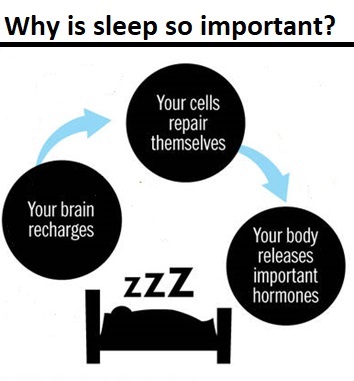
In very simple terms, sleep is a repair process for the body and the mind. Sleep is important for good physical and sound mental health. During sleep, the body undergoes a healing process from daily wear and tear right from the neurons in the brain to every cell in the body. Essential hormones and proteins are released as a completion of the repair process after a full rest or sleep.
How much sleep is enough?
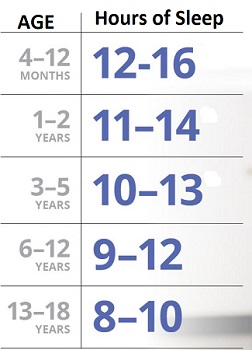
This largely depends on age. Newborns or infants, for example, sleep for most of the day – it is during sleep that growth hormones for the infant are released. Teenagers need about 10 hours of sleep in a day. It is recommended that adults sleep for at least 7 hours a day.
However, the quantity of sleep matters if the quality of sleep is good and undisturbed. Disturbances may not necessarily be environmental, but internal to the human body which may hinder overall well-being.
Symptoms of poor sleep quality
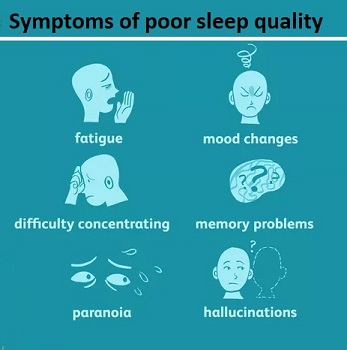
Several factors including sleep disorders contribute to poor sleep quality. Some of the symptoms of poor sleep quality or sleep deprivation are:
- Waking up tired even after adequate hours of sleep
- Irritability
- Lower or reduced sex drive/libido
- Difficulty in concentrating or losing focus
- Severe mood swings
- Headaches
- Gastrointestinal problems
- Reduced reaction time/ reduced alertness
- Impaired decision-making abilities
Sleep Disorders
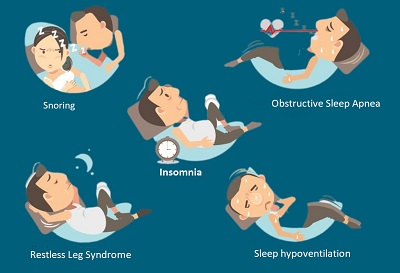
Sleep deprivation leads to severe health concerns including hypertension, diabetes, infertility, etc and needs to be treated for better management of sleep disorders. The most common sleep disorders are:
- Insomnia
- Apnea
- Narcolepsy
- Restless Leg Syndrome
- REM Sleep Behavior Disorder
Insomnia
Insomnia manifests itself as difficulty in falling asleep even when tired. Staying asleep may be a problem as well. Insomnia may be caused due to underlying medical conditions, hormonal imbalances, depression or anxiety. Treatment of Insomnia is medication.
Apnea
Better known as obstructive sleep apnea is an extremely common sleep disorder where the airways become blocked during sleeping and breathing stops. As the brain becomes deprived of the necessary oxygen, sleep is disrupted. Loud snoring is the commonest symptom of sleep apnea. Treatment of CPAP Therapy is Surgery, Weight Loss.
Narcolepsy
This is an extreme sleep disorder where the sleep-wake cycle cannot be maintained. A person suffering from narcolepsy feels drowsy when awake and may suffer from sleep paralysis. Falling asleep during unusual times of the day, during activities such as eating, etc is common when suffering from narcolepsy. Treatment for narcolepsy is Medication, Schedules Naps.
Restless Leg Syndrome
Restless Leg Syndrome is an unpleasant feeling or tingling in the legs hindering sleep. It can also manifest itself as a sudden urge to move legs. Treatment for RLS is Medication and behavioral therapy.
REM Sleep Disorder
The sleep cycle is divided into 1 REM (Rapid Eye Movement) phase and 3 NREM phases. It is in the REM phase that most dreams occur. Persons suffering from REM Sleep Disorder are prone to acting out during the REM phase by kicking, screaming, etc, thereby risking themselves and others for injury. The treatment for this is medications.
Conclusion
Sleep disorders are fairly common and a lot of people go through life without diagnosis or treatment. However, it needs to be understood that symptoms, even minor ones, such as fatigue, may bear down on the health of an individual in the long run. Sleep disorders are treatable and can be managed for a healthier and better life experience.


 Chat
Chat