

What is Valve Replacement Surgery Cost in Turkey?
The replacement of heart valves is a common surgical intervention in Turkey to treat cardiac complications.
The average cost of valve replacement surgery in Turkey ranges between USD 23000 and USD 26000. Costs typically include the prosthetic valve, surgeon's fees, anaesthesia and operating room charges, medical supplies, and a hospital stay of 3 to 7 days.
What is Valve Replacement Surgery?
The heart has four chambers. The upper chambers of the heart are called atria, while the lower chambers are called ventricles. In between these chambers, flaps-like structures are present to regulate the speed of blood flow and also ensure that there is no backflow. The four valves present in the heart are as follows:
Tricuspid valve: It is present in between the right atrium and the right ventricle.
Pulmonary valve: It is present in between the right ventricle and the pulmonary artery.
Mitral valve: It is present in between the left atrium and the left ventricle.
Aortic valve: It is present in between the left ventricle and the aorta.
These valves may get damaged due to age, infection or any congenital disability. If not repaired on time, this usually gets worse and leads to symptoms such as:
Severe chest pain
Shortness of breath
Extreme fatigue
Heart palpitations
Swelling in leg
Some common heart valve disorders are listed below.
Valve regurgitation:
In this condition, blood flows backwards into the chamber due to improper valve closing, leading to blood leakage in the heart chambers.
Stenosis:
In stenosis, the valve doesn’t open to its full extent due to cholesterol deposition. As a result, blood is pumped inefficiently.
Atresia:
This defect involves the valve cusps being joined at birth,thus limiting the blood flow. It is most commonly seen in the pulmonary and tricuspid valves.
Prolapse
In this condition, the valve flaps bulge backwards like a parachute, unable to control the blood’s backflow due to its high flexibility.
When the valve doesn’t function properly, cardiac surgeons perform valve replacement surgery. In this procedure, the damaged valve is replaced with a prosthetic valve, which can be mechanical or biological.
Mechanical Valves: These are made from artificial materials. Metals are usually used, as they are durable and can last a lifetime. However, patients with mechanical valves may suffer from blood clots and hence need to take blood-thinning medication such as anticoagulants for the rest of their lives.
Prosthetic Valves: These are made from biological tissue or animal valves and don’t require lifelong blood-thinning medication. With continued use,it may deteriorate and require replacement.
Our Services for Valve Replacement in Turkey
Transparent, professional support—without the hassles.
Book Doctor Appointment
Choose a specialist and schedule a convenient consultation.
Video or In-person Consultation
Consult remotely or meet your doctor directly at the hospital.
Compare Cost Estimates
Review transparent estimates from suitable hospitals.
Hospitalisation Support
Get coordinated assistance throughout your hospital stay.
 WhatsApp Us
What are the Types of Valve Replacement Surgery?
Based on the valve which has to be replaced, the valve replacement surgery has been categorised into the following:
Aortic valve replacement
The aortic valve is a tricuspid valve. Due to congenital issues, it remain as a bicuspid valve leading to leakage due to improper opening and closing. Cardiac surgeons, then, replace the damaged aortic valve with a mechanical or biological prosthetic valve.
Mitral Valve Replacement
The mitral valve is a bicuspid valve that controls the flow of blood from the left atrium to the left ventricle. Any defect in the mitral valve should be repaired immediately.
Double Valve Replacement
In some cases, patients may experience reduced blood flow due to damage in both the aortic and mitral heart valves. To address this issue, double valve replacement surgery involves replacing both valves to restore proper blood flow and improve heart function.
Pulmonary Valve Replacement
The pulmonary valve opens to allow deoxygenated blood from the right ventricle to flow into the pulmonary artery, which carries it to the lungs for oxygenation. The most common complication associated with the pulmonary valve is stenosis (narrowing) or regurgitation (leakage).
To treat this, the damaged pulmonary valve is removed and replaced with a mechanical or biological prosthetic valve to ensure normal blood flow.
More than 40 million people are suffering from either mitral or aortic valve disease worldwide. A cardiac surgeon either opts for open surgery or a minimally invasive approach to replace the damaged valve with a prosthetic one.
What is the Cost of Different Types of Valve Replacement Surgery in Turkey?
Type of valve replacement | Cost in USD |
|---|---|
Aortic valve replacement | 16000 |
Mitral Valve Replacement | 16500 |
What are the Key Factors that Affect the Cost of Valve Replacement Surgery in Turkey?
Patients and their families can avoid financial strain or unexpected expenses by understanding the cost factors associated with valve replacement surgery.
This allows them to plan ahead, explore cost-saving strategies, and mitigate the risk of financial strains resulting from medical bills or healthcare expenses.
The key factors affecting the valve replacement cost in Turkey are listed below.
Type of prosthetic valve used
The cost may vary based on the valve type being used, which could be mechanical or biological. Some valves may be expensive due to their specific design (self-expandable or balloon expandable), the material used (mechanical or biological), or any other technological features involved in creating them.
Hospital location
The hospital’s location and distance from popular tourist destinations in Turkey may result in additional treatment costs.
Additional stay at ICU
In certain medical complexities, the patient may have to stay for some additional days in the ICU for post-operative care and rehabilitation. Thus, the additional hospital stay costs around USD 400 to USD 450 per day.
What is Valve Replacement Surgery Cost in Turkey Vs. Other Countries?
Name of the country | Cost in USD |
|---|---|
Valve Replacement Surgery in Turkey | 24500 |
Valve Replacement Surgery in India | 9500 |
What are Pre-surgical and Post-surgical Expenses in Valve Replacement Surgery in Turkey?
Before valve replacement surgery, cardiac surgeons perform various tests and examinations to understand the extent of the valve damage. Then, they decide whether it could be repaired or needs a replacement. It is also crucial to see whether the patient is ready for the surgical procedure.
Regular follow-ups are essential to monitor the prosthetic valve's function and prevent further damage. Patients should also consider these expenses before the treatment.
Pre-surgical examination cost (complete blood count, electrocardiogram, echocardiogram, coronary angiography, CT scan, nuclear stress test etc.): USD 400 to USD 500
Post-surgical cost (follow-up consultations and medications): USD 250 to USD 300
Top Doctors in Turkey
Recommended Doctors for Valve Replacement














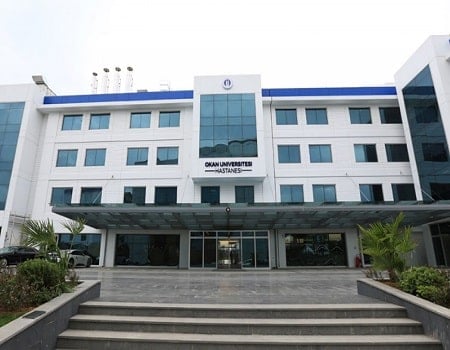
Top Hospitals in Turkey
Recommended Hospitals for Valve Replacement














Frequently Asked Questions Related to Valve Replacement Cost
Prior to the surgery, a proper physical examination and tests such as chest X-ray, electrocardiogram (ECG), blood tests, echocardiogram, and coronary angiogram are done. All the tests are covered in the package price.
There are several replacement valves available such as tissue valves including donated human aortic valves or animal valves, and mechanical valves consist of plastic, metal, or any other artificial material. Though, certain valve diseases such as mitral valve regurgitation or aortic valve stenosis can be utilized with non-surgical methods. Mechanical valves last longer than tissue valves, hence are more expensive than conventional valves.
All the expenses and medications when you’re at the hospital are included in the medical package during the patient’s stay in the hospital however, these benefits are not covered once the patient is discharged.
The surgery lasts for about 4 - 6 hours and you will have to stay in the hospital for a week to recover. However, it may take a month for the patient to recover fully. The package covers different types of aspects at the hospital including room service, food, medications, etc, and the package cost may increase or decrease depending on what you select.
After the surgery, the patient has to go for private physical therapy sessions and they are also observed for risk of infections or increased blood pressure. The patient is also helped with pain medications and discomfort. All these services are included in the package, till the time they are at the hospital. In addition, the patient may require medication for at least three months following surgery, but it won’t be a part of the package price.
Depending upon the health insurance cover the person takes, the cost of the hospital and medications are covered. However, some premium covers may provide full cost and some only partial cost.
The valve replacement surgery puts immense strain on the heart and may need alternative strategies to get the disease under control like medicines Beta-blockers, digoxin, and calcium channel blockers and surgeries including TAVI and aortic valve balloon valvuloplasty.
 Chat
Chat