

Cost of Thyroidectomy in Gurgaon
Our Services for Thyroidectomy in Gurgaon
Transparent, professional support—without the hassles.
Book Doctor Appointment
Choose a specialist and schedule a convenient consultation.
Video or In-person Consultation
Consult remotely or meet your doctor directly at the hospital.
Compare Cost Estimates
Review transparent estimates from suitable hospitals.
Hospitalisation Support
Get coordinated assistance throughout your hospital stay.
 WhatsApp Us
Top Doctors in Gurgaon
Recommended Doctors for Thyroidectomy








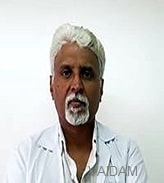
Dr. Rohan Khandelwal
Principal Consultant
Surgical OncologistCK Birla Hospital, Gurgaon






Top Hospitals in Gurgaon
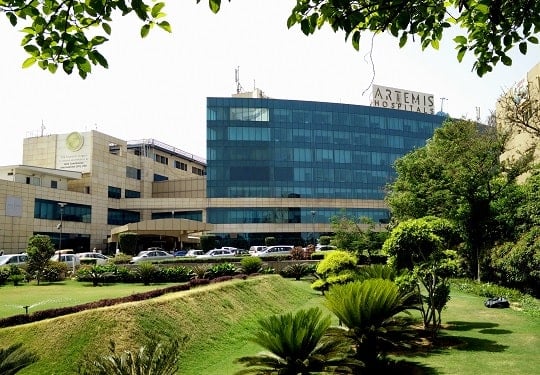
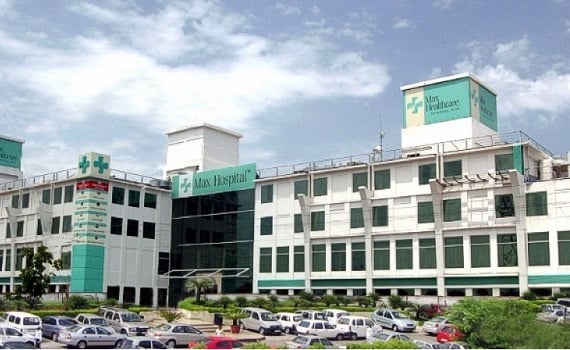
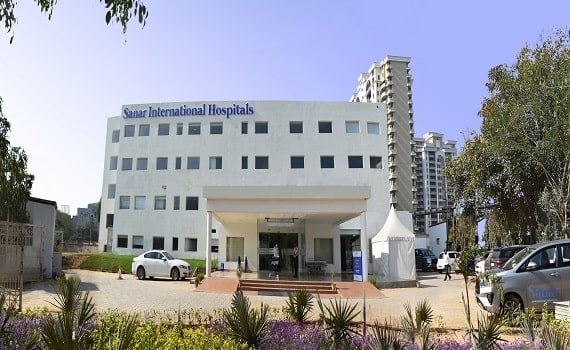
Recommended Hospitals for Thyroidectomy










Inclusions in the package
The cost of Thyroidectomy Surgery includes the following:
-
Preoperative diagnostic tests cost [Thyroid imaging with ultrasound, computed tomography (CT) or magnetic resonance imaging (MRI), Blood test, etc.]
-
Surgery cost
-
Type of Surgery (Conventional thyroidectomy, Transoral thyroidectomy, Endoscopic thyroidectomy, etc.)
-
Post-operative cost (depends on the number of follow-up sessions)
-
Medicine cost (anti-inflammatory, painkillers, etc.)
-
Patient's hospital stay
Factors affecting cost of Thyroidectomy
The overall cost of the procedure also varies based on the patient's condition and preferences. Some of these factors are:
-
Type of hospital and room opted (General, Twin sharing, or Single room)
-
The severity of the disease
-
Post-surgical complication, if it happens (such as delayed hemorrhage or Permanent hoarse or weak voice)
-
Cost of Blood products (if required)
-
An extended stay at the Hospital
-
Cost of accommodation during follow-ups, in case the patient is not a local resident
Success Rate
Everything You Need to Know About Thyroidectomy: Q&A
Before the Procedure · 11 Questions
Thyroid nodules increase with age and are present in almost 10% of the adult population. Autopsy studies reveal the presence of thyroid nodules in 50% of the population, so they are fairly common. 95% of solitary thyroid nodules are benign, and therefore, only 5% of thyroid nodules are malignant.
Thyroid gland is a butterfly shaped gland in the front of neck. Usually a portion of the gland is affected but in cases of trouble swallowing, difficulty breathing, or changes to the voice whole of the gland is removed
Post surgery will be less painful but pt will have sore throat from the tube used fro anaesthesia. Mild pain can be reduced with pain killers
Damage to a recurrent laryngeal nerve can cause you to lose your voice or become hoarse. Temporary hoarseness, voice tiring, and weakness can occur when one or more of the nerves are irritated during the operation or because of inflammation that occurs after the surgery.
Usually this surgery is done in day care and patient can get back to home by the end of day. Depending on case to case and medical complications, patient is advised to stay in the hospital overnight
Thyroidectomy is the surgery which is being used for removing all the parts of thyroid gland and for the treatment of thyroid cancer.
Yes, thyroidectomy is a major surgery and you will be able to do work within one to two weeks of the procedure depending on the type of work you are doing. You may feel tired after first few weeks of the surgery.
Thyroidectomy surgery is needed when you have any condition such as thyroid cancer which is the most common reason for thyroidectomy. If you have thyroid cancer it will be an treatment option.
Some of the risks of thyroidectomy surgery are recurrent laryngeal nerve injury, low level of blood calcium and bleeding.
It is very rare that you need blood transfusion during your thyroidectomy and therefore there is no need of blood donation.
Yes, this surgery can also be done laproscopically by anterior chest wall approach.
During the Procedure · 4 Questions
Total Thyroidectomy takes a little longer, 3 to 4 hours to finish.Your surgeon operates with an incision in fron of the neck , taking care of the vital structures
It takes about one or two hours for surgery or more or less than it depending on the extent of the surgery.
This surgery is done by general surgeon or by otolaryngologists.
A thyroidectomy is traditionally a minimally invasive surgery performed through a small horizontal incision in the front of the neck. The entire thyroid gland may be removed or just a single lobe, a portion of a lobe and the isthmus or other structures. Depending on the extent of the operation, patients may need to take the drug levothyroxine, an oral synthetic thyroid hormone
Post the Procedure · 11 Questions
There are minor restrictions when you go home, you can usually return to your regular activities. Wait at least 10 days to two weeks before doing anything vigorous, such as heavy lifting or strenuous sports.Some people may need to have a drain placed under the incision in the neck. This drain is usually removed the morning after surgery.
Since a part of thyroid is removed, the remaining part produces little hormone. So hormone medications are given to mantain constant thyroid levels in the body .
Post operative follow ups are scheduled after 1 to 2 weeks, and then they continue every 6 to 12 months till 10 years.
It is advisable not to drive for a week after any thyroid surgery.
It will take around one to two week to recover from surgery, for a week you should not drive. On the basis of the amount of thyroid tissue removed and the reason for your surgery, you may have to take thyroid hormone.
Patient are needed to spend maximum of one night in hospital.
The incision is about one to two inches in length and it is placed in the midline of neck to reduce scar formation and visibility.
You can start doing your normal activities such as walking and all sort of light activities. The only restriction is your heavy activity such as lifting of weight. If you think you are well enough then you can start driving on fourth day of surgery.
You can return back to your work within one or two weeks after surgery.
You can have a normal balanced diet and you should drink lots of fluids.
You should be seen by your surgeon approximately 2-4 weeks following your surgery.
 Chat
Chat