

Why Choose Thailand for IVF Procedures?
Starting a family is the ultimate joy for every couple. However, due to rapid changes in lifestyle and environmental factors, many couples face infertility issues. Couples are actively looking for infertility solutions to become parents. One of the most popular options is In Vitro Fertilization (IVF).
With modern technology and competent healthcare personnel, Thailand has become one of the most popular destinations for couples seeking infertility treatment.
Leading Hospitals and Experienced Specialists
The country has some of the leading private hospitals with state-of-the-art facilities and experienced medical professionals, which ensure the highest success rates in IVF procedures.
Affordable
Furthermore, IVF treatments in Thailand are more affordable than in many Western countries without compromising quality or safety. The country stands out in providing hope, accessibility and a caring and nurturing environment for those who are looking for cost-effective and high-quality medical services.
What are the Types of IVF treatment and their Costs?
Various types of IVF treatments are customised to meet the specific needs of couples or individuals who are experiencing infertility.
The average cost of IVF in Thailand is approximately USD 3000. Common procedures in Thailand are mentioned below:
Intracytoplasmic Sperm Injection (ICSI)
Frozen Embryo Transfer (FET)
Our Services for IVF in Thailand
Transparent, professional support—without the hassles.
Book Doctor Appointment
Choose a specialist and schedule a convenient consultation.
Video or In-person Consultation
Consult remotely or meet your doctor directly at the hospital.
Compare Cost Estimates
Review transparent estimates from suitable hospitals.
Hospitalisation Support
Get coordinated assistance throughout your hospital stay.
 WhatsApp Us
Intracytoplasmic Sperm Injection (ICSI):Cost
This technique is used in cases of male infertility, such as oligospermia (low sperm count), asthenozoospermia (poor sperm motility), or teratospermia (abnormal sperm morphology).
In this procedure, a single sperm is injected directly into an egg to ease fertilization. The resulting embryo is transferred to the uterus.
This method bypasses the natural fertilisation process and is particularly effective in cases where conventional IVF may not result in fertilisation.
The average cost of ICSI in Thailand ranges from USD 6000 to USD 9000.
Frozen Embryo Transfer (FET)
In this procedure, embryos which have already been created and frozen are transferred to the uterus.
The process doesn't require ovarian stimulation and egg retrieval and helps to optimise the timing of the uterine implantation.
It is used if the initial IVF cycle did not result in a successful pregnancy.
The average cost of FET in Thailand ranges from USD 800 to USD 900.
Cost of Different Types of IVF treatment in Thailand
Type of procedure | Average cost in USD |
|---|---|
ICSI | 7500 |
FET | 850 |
Top IVF Specialists in Thailand
Thailand has some of the most renowned and experienced IVF specialists in the world. They are trained internationally and ensure the cautious management and monitoring of embryos for successful IVF procedures.
Here are the top IVF specialists in Thailand.
Top Doctors in Thailand
Recommended Doctors for IVF














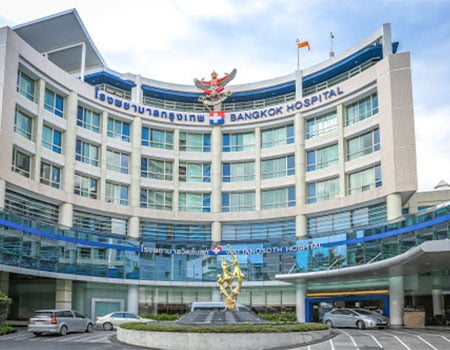
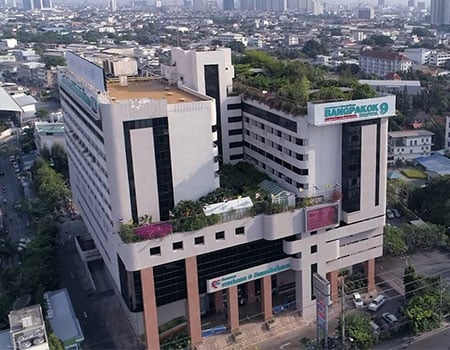
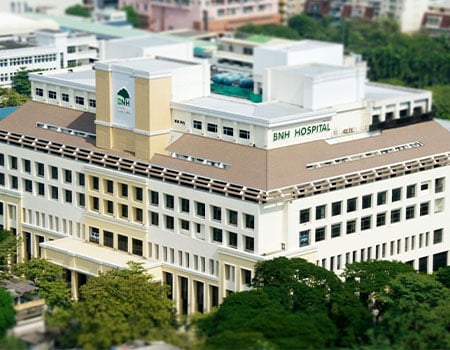
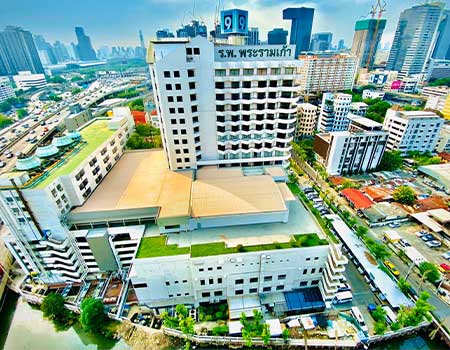
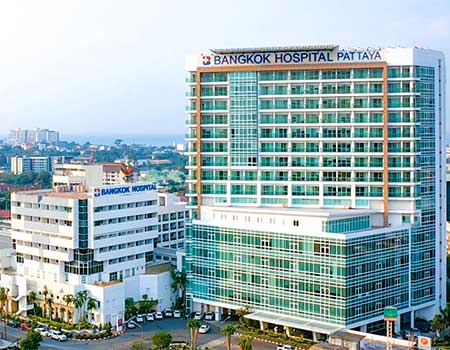
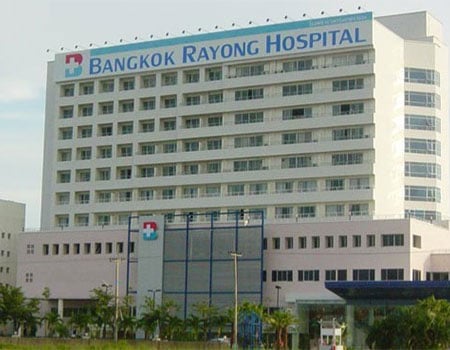
Top Hospitals for IVF in Thailand
Thailand is home to many internationally accredited hospitals and clinics. These are equipped with cutting-edge laboratory technologies for fertilisation, leading to a higher success rate.
Below are some of the top hospitals in Thailand for IVF.
Top Hospitals in Thailand
Recommended Hospitals for IVF









How Can Vaidam Health Assist in IVF Treatment in Thailand?
Vaidam Health is a leading global healthcare assistance company that is NABH-certified and specialises in connecting patients with the best IVF Specialists in Thailand. We receive over 1200+ queries daily related to IVF treatments.
Our services include:
Personalised treatment plans with top doctors and leading hospitals
Help with medical visas, tickets, and accommodations
Affordable procedures and assistance at every step
Arrangement of follow-up appointments
Frequently Asked Questions Related to IVF Cost
Before an IVF procedure, three hormones specifically are tested: FSH, AMH, and Estradiol. Moreover, tubal patency test, prolactin test, and semen evaluation are done to evaluate if you are suitable for IVF. The package covers all these tests.
All the medicines prescribed by the hospital are included in the package. If you buy any medication outside the hospital, you have to pay additional charges for them.
IVF is an outpatient procedure, and you can go home the day of the retrieval, while in some cases, the patient needs to be admitted to the hospital before the process. Usually, you and your partner need to stay about half a day at the hospital for egg retrieval and fertilization procedures, and then you can go home. You have to come back after 2-3 days for an embryo transfer. The embryo transfer is a one-day procedure that takes 20-30 minutes. The IVF cycle takes around four weeks, and there are 3-6 visits between the start of stimulation and egg retrieval.
After the embryo is transferred into your uterus, keep taking Progesterone in the early weeks of transfer to sustain your pregnancy. It also helps the embryo implant in the uterus. Start taking a daily folic acid supplement and avoid using products that contain bisphenol A, phthalates, triclosan, and parabens.
The cost of an IVF procedure is very high with no success guarantee, which is why most health insurance plans do not cover its cost. But some insurance companies have introduced infertility treatment under their insurance plans, but their level of coverage vary from each other. So, it is better to compare health insurance plans and check the expenses covered by each plan before buying them.
You can go for induction or superovulation techniques, laparoscopy for infertility, and intrauterine insemination (IUI) because they are less costly than IVF.
Everything You Need to Know About IVF: Q&A
Before the Procedure · 11 Questions
In natural conception, fertilization of the egg and sperm occurs inside a woman's body, when the fertilized embryo continues to grow inside a woman's uterus, pregnancy results in the birth of a baby about 9 months later. This process is called natural or unassisted conception.
Assisted reproductive technology (ART) are special medical procedures that are used to aid the woman in getting pregnant.
Infertility refers to the inability to conceive after a year of having regular unprotected sex.
Most IVF doctors recommend transferring up to three embryos at a time to increase the chances of pregnancy, which may result in multiple pregnancies.
Results may differ from one clinic to another Pregnancy rates reflect the number of women who became pregnant after IVF. But not all pregnancies result in a live birth. Live birth rates reflect the number of women who give birth to a living child.Usually the percentage of live birth ranges between 40-45 percent for a patient below the age of 35 yrs .
In the process of IVF the woman’s egg are being retrieved surgically and then it is fertilized in the laboratory by mixing with the partner sperm. The fertilized egg is being left to grow for two to five days and then it is surgically transferred to woman’s womb.
There are various factor which has an important role in determining whether the patient can go for IVF treatment such as low sperm count, endometriosis, problem in uterus or fallopian tube, ovulation disorder, sperm not able to penetrate or survice in the cervical mucus.
The success rate of IVF is determined according to the age, apart from age the other factors which plays an important role in success of IVF varies according to the height, weight, the condition causing infertility, sperm count, reproductive history and the number of previous pregnancy, miscarriage and birth.
Before your IVF you should stop smoking, drinking alcohol & reduce your caffeine intake. It has also seen that nicotine can cause aging of the ovaries and makes the egg resistant to fertilization.
Once it is confirmed that you are pregnant, you need to see your gynaecologist for your blood test and ultrasound to check how pregnancy is being progressing.
Your doctor will decide the number of embryos to be transferred into your uterus. If only single embryo is transferred then it will be not possible to have multiple pregnancies. The chances of giving birth from multiple embryos are somewhat higher than transferring a single embryo.
During the Procedure · 3 Questions
The process of IVF can last anywhere from four to six weeks before egg retrieval. Embryos will be implanted two to five days after it. It is usually not successful in first attempt most patient has to undergo multiple cycle to become pregnant.
IVF is generally performed by Gynecologist doctors or a reproductive endrocinologist who have special interest in fertility treatment and are qualified for it.
During the process of IVF, the mature eggs are being collected from the ovaries and then they are fertilized and transferred to the uterus. For completing one full cycle of IVF it will take about three weeks or even longer time.
Post the Procedure · 9 Questions
Outcomes may vary from one clinic to another. Pregnancy rates reflect the number of women who became pregnant after IVF. However, not all pregnancies result in a live birth. Surviving birth rates reflect the number of women who give birth to a living child. The survival rate for a patient under the age of 35 is usually between 40-45 percent.
Unused embryos may be frozen and implanted later or donated
It is advised to do a blood pregnancy test after 12-14 days of IVF and to avoid home pregnancy test as may wrongly give a false positive if tested before 7 days due to residual HCG after the shot given for egg maturation.
If the eggs are unhealthy you can use donor eggs
No
Yes, you can travel back.
Some of the restrictions which you have to follow during your IVF is quit smoking and drinkling, vigorous exercise, medications, taking herbal supplements.
Patients are asked to wait for one to two full menstrual cycle before starting the another IVF cycle. Some other tests are needed which can even delay the IVF cycles.
Some of the side effects associated with IVF are nausea or vomiting, shortness of breath, decreased frequency of urination, feeling of faintness, weight gain, stomach pain and bloating, breast tenderness, constipation, cramping.
 Chat
Chat