

Cost of Cesarean section in Turkey
Our Services for Cesarean section in Turkey
Transparent, professional support—without the hassles.
Book Doctor Appointment
Choose a specialist and schedule a convenient consultation.
Video or In-person Consultation
Consult remotely or meet your doctor directly at the hospital.
Compare Cost Estimates
Review transparent estimates from suitable hospitals.
Hospitalisation Support
Get coordinated assistance throughout your hospital stay.
 WhatsApp Us
Top Doctors in Turkey
Recommended Doctors for Cesarean section













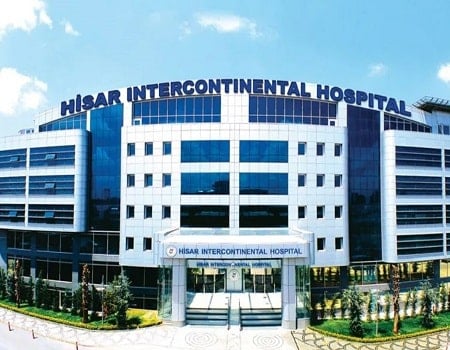
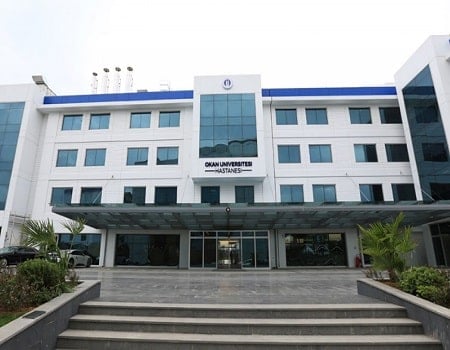
Top Hospitals in Turkey
Recommended Hospitals for Cesarean section













Everything You Need to Know About Cesarean section: Q&A
Before the Procedure · 7 Questions
Caesarian section is performed when vaginal delivery is not considered as a possible and safe option and the health of mother and baby is at risk. In this procedure baby is delivered by making a surgical incision in the abdomen and uterus.
You should plan for cesarean section if medical reasons are needed, this may be unplanned and takes place during labour. You can plan your cesarean section in following cases such as cephalopelvic disproportion, previous cesarean birth, cord compression, fetal distress multiple pregnancy, breech position and transverse lie.
Your blood pressure, pulse and temperature will be monitored. The hair around the area of the incidence will be shaven and a catheter will be inserted for emptying your bladder.
You will not feel any pain during the procedure even though you may feel some sensation like pulling and pressure. The area from your waist and down region are numbed during the procedure.
Cesarean section is usually recommended if your labor is not progressing, your baby is in distress or abnormal position, you are carrying twins, severe health issues, obstruction in the birth canal or history of previous cesarean section.
You will not feel any pain during the procedure but you may feel some sensation such as pulling or pressure. Most women are awake or they are numbed from their waist.
The healing and recovery time of vaginal birth is faster than C section.
During the Procedure · 7 Questions
The complete procedure of cesarean section will take about 45 minutes to complete. Once your delivery is complete, your uterus is stitched and the incisions are closed.
Spinal anaesthesia is being given for cesarean section which numbs your lower area of the body from waist line.
Spinal anaesthesia is being administered, abdomen is being cleaned with an antiseptic. An incision is made through the skin into wall of the abdomen. Either a vertical or transverse incision are being made below the belly button. After that 3-4 incision are made in the wall of the uterus and baby is removed through it The umbilical cord is then cut and placenta is removed and incisions are closed.
Usually C section will take only 45 minutes to complete in some cases it can take more time than usual.
During caesarean section six separate layer of the abdominal wall and uterus are opened for taking out the baby.
C section stitches are being made below the pubic hairline therefore the scar is not visible and it will look red or pink for few months but with time it will fade and appears as a flat thin line.
First an incision is just made above your pubic hairline which is mainly horizontal across the pelvis. In some other cases the incision may be vertical. Once the uterus is being exposed, the incision is made in uterus and then the baby is removed from uterus after making the second incision.
Post the Procedure · 10 Questions
Your body needs time to heal after surgery. You are needed to stay in hospital for three to four days after surgery.
There can be infection, loss of blood or formation of blood or formation of blood clot which can be seen.
You should avoid sexual intercourse, use of tampons, taking bath, lifting heavy objects, and stretching and straining are not recommended repeatedly using incision
To lift your baby and doing stretching and straining and deep be
Once the effect of anaesthesia starts subsiding you will start feeling pain from the incision. You will have vaginal discharge after surgery because of shedding of the uterine lining.
You can go for vaginal delivery if you have a low transverse incision made into your uterus. Your pelvis is not too small to accommodate the normal size of baby and if your first cesarean was performed for the breech position of the baby.
Risk of cesarean section includes infection, postpartum hemorrahage, reaction to anaesthesia, blood clots or reaction to anaesthesia, surgical injury or increased risk during future pregnancy
After Cesarean section you have to be in hospital for few days. Once the effect of anaesthesia begins to subside you will be encouraged to drink plenty of fluids which will help in preventing constipation and deep vein thrombosis.
You will be told to start breast feeding as you as you wake up. Your nurse will teach you how to position yourself and support your baby during breast feeding.
There might be risk of developing blood clots inside a deep vein mainly in the legs or pelvic organs and in some cases blood clots can travel to the lungs also.
 Chat
Chat