

What Is the Cost of Varicose Veins Treatment in Germany?
The cost of Varicose Veins treatment in Germany typically ranges from $2,500 to $22,000 USD, depending on the hospital, city, and type of procedure.
Varicose veins are swollen, twisted veins, usually in the legs. Treatment is offered for symptoms or complications rather than appearance. In Germany, the total depends on:
- Ultrasound scan: a duplex scan of the leg veins.
- Endothermal ablation: radiofrequency or laser treatment.
- Foam sclerotherapy: if ablation is not suitable.
- Surgery: ligation and stripping in some cases.
German statutory insurers do not pay for cosmetic procedures that are not medically necessary, and procedures carried out for purely aesthetic reasons are not exempt from VAT.
Treatments for Varicose Veins
The NHS explains that endothermal ablation, using radiofrequency or laser energy, is usually the preferred treatment. It is done under local anaesthetic, and people usually go home the same day.
Foam sclerotherapy, an injection given with ultrasound guidance, is used when ablation is not suitable. Ligation and stripping is done under general anaesthetic and usually needs one to two weeks off work.
Our Services for Varicose Veins Treatment in Germany
Transparent, professional support—without the hassles.
Book Doctor Appointment
Choose a specialist and schedule a convenient consultation.
Video or In-person Consultation
Consult remotely or meet your doctor directly at the hospital.
Compare Cost Estimates
Review transparent estimates from suitable hospitals.
Hospitalisation Support
Get coordinated assistance throughout your hospital stay.
 WhatsApp Us
After Treatment and Other Points
Compression stockings are usually worn for about a week afterwards, and stockings alone may be used when procedures are not suitable. A duplex ultrasound scan is done first.
The NHS treats varicose veins for symptoms or complications, and cosmetic treatment is not usually available. Veins that appear in pregnancy often improve after the birth, and untreated varicose veins usually worsen slowly.
Varicose Vein Treatment in Germany
Ablation is usually a day procedure, so the estimate mainly covers the procedure, scan and stockings. Where treatment is mainly for appearance, VAT may apply. International patients are usually treated in Germany as self-paying patients: the hospital reviews the medical reports, sends a cost estimate and asks for an advance payment before admission, then settles the final bill after discharge.
Top Doctors in Germany
Recommended Doctors for Varicose Veins Treatment




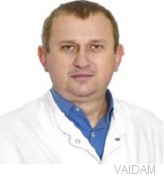






Dr. Maria Kuntzsch
Consultant
Vascular SurgeonCarl Gustav Carus University Hospital, Dresden




Top Hospitals in Germany
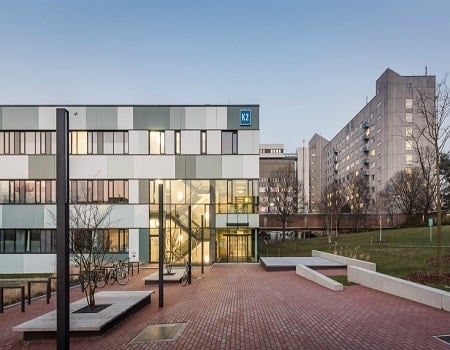
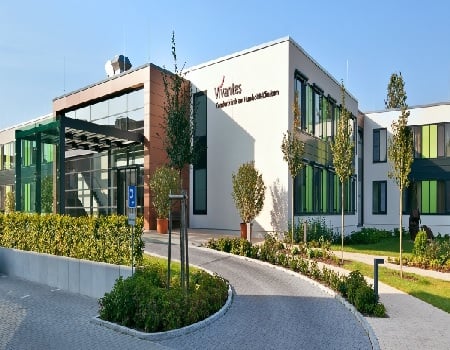
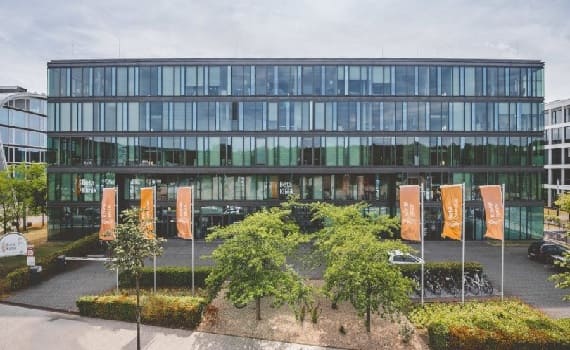
Recommended Hospitals for Varicose Veins Treatment











Frequently Asked Questions Related to Varicose Veins Treatment Cost in Germany
Varicose veins are swollen, twisted veins, usually in the legs. They can ache, itch or cause swelling.
Endothermal ablation uses radiofrequency or laser energy to seal the faulty vein from inside. The NHS says it is usually the preferred treatment.
No, ablation is usually done under local anaesthetic, and people usually go home the same day. Recovery is quick for most.
Foam sclerotherapy injects a foam into the vein, guided by ultrasound, to close it. It is used when ablation is not suitable.
Ligation and stripping is done under general anaesthetic when other treatments are not suitable. It usually needs one to two weeks off work.
Compression stockings are usually worn for about a week after treatment. They help healing and reduce bruising.
The cost of Varicose Veins treatment in Germany typically ranges from $2,500 to $22,000 USD, depending on the hospital, city, and type of procedure.
The NHS treats varicose veins for symptoms or complications, and cosmetic treatment is not usually available. In Germany, treatment purely for appearance is usually paid directly.
The NHS says varicose veins that appear in pregnancy often improve after the birth. Treatment is usually delayed until then.
Untreated varicose veins usually worsen slowly over time, according to the NHS. Complications such as ulcers may need treatment.
 Chat