

Cost of Radiofrequency Ablation in Mumbai
Our Services for Radiofrequency Ablation in Mumbai
Transparent, professional support—without the hassles.
Book Doctor Appointment
Choose a specialist and schedule a convenient consultation.
Video or In-person Consultation
Consult remotely or meet your doctor directly at the hospital.
Compare Cost Estimates
Review transparent estimates from suitable hospitals.
Hospitalisation Support
Get coordinated assistance throughout your hospital stay.
 WhatsApp Us
Top Doctors in Mumbai
Recommended Doctors for Radiofrequency Ablation





Dr. Prafulla Kerkar
Consultant
Interventional CardiologistAsian Heart Institute, Mumbai




Top Hospitals in Mumbai
Recommended Hospitals for Radiofrequency Ablation
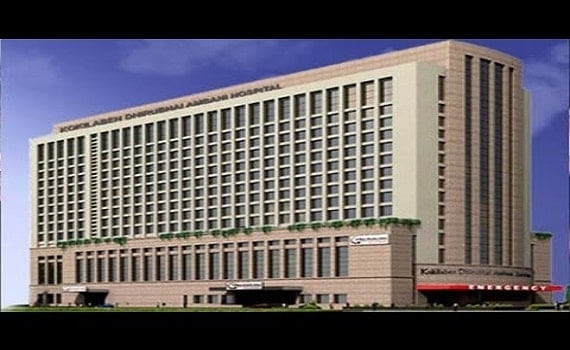
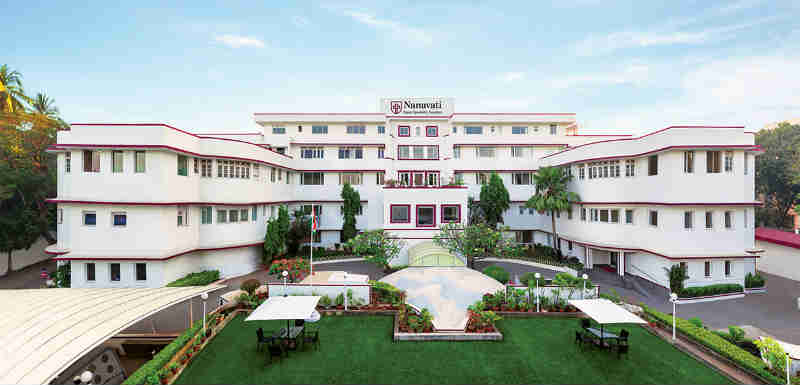
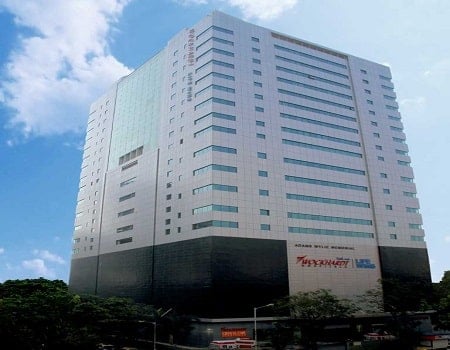




Success Rate
Frequently Asked Questions Related to Radiofrequency Ablation Cost
Your doctor will examine your medical history and may draw blood for routine blood tests before your procedure. The package typically includes the cost of the tests and you won’t have to pay anything extra. You may need to stop consuming certain medications such as blood thinners and aspirin as they may interfere with the procedure.
Nerve blocks used during or after the procedure are a type of medicine injection that blocks the pain and can be used for pain relief. The medicine cost is generally included in the package when the patient is in the hospital. On the other hand, if the patient buys medicines outside the hospital, they are not included in the package.
Radiofrequency ablation (RFA) is an outpatient procedure and requires no general anesthesia. The patient has to rest for six to 12 months after the procedure. You may also need follow-up tests, such as ECG and blood test post the treatment.
When the patient gets discharged from the hospital, they can return to their normal routine within a week. Any bruising may last for up to 2 - 3 weeks, this can be taken care of with an ice pack. The patient may also feel a bit tired for a few days, which is normal and will subside. The patient will also have to take blood-thinning medications for up to 1 year after the procedure.
Since radiofrequency ablation is not deemed a surgery but a minimally invasive procedure, it may not be covered in any health insurance plans. However, we highly recommend you talk to your insurance provider to know the exact details of your policy.
If RFA doesn’t seem to give desired results, the doctor may recommend the treatment options such as surgery, physical therapy, or medication. Surgery is the most expensive out of the lot and medication comparatively cheaper.
Everything You Need to Know About Radiofrequency Ablation: Q&A
Before the Procedure · 8 Questions
Radiofrequncy ablation is a procedure in which electric current is being used for heating a small area of nerve tissue so that it can stop sending the signals of pain. This procedure provides long lasting relief from pain in lower back neck and arthritic joint.
Pain of radiofrequency ablation is just like sun burn, this pain on average lasts no longer than one to weeks after the procedure. Complete relief from pain can be expected within two to three weeks of the procedure because some time is taken for ablated nerves to die and stop sending pain signals.
Radiofrequency ablation is the new method of pain control, in this technique the radiofrequency waves are being delivered to some nerves and with the aim of interrupting the signal of pain to the brain.
This procedure is 70 to 80 percent effective in those patient who have successful nerve block and the procedure can be repeated in some cases if required.
Radiofrequency ablation is used for tightening the loose skin of your body by increasing the production of collagen.
Radiofrequency ablation is a minimally invasive surgery there is no need of removing any tissues organs or involvement of cutting or opening the body.
Yes, radiofrequency ablation is safe and effective for face. Radiofrequency ablation is being approved by FDA for reducing the appearance of wrinkles.
Yes, radiofrequency ablation can be the right treatment for you if the pain doesn’t respond to any other treatment such as pain killers or physical therapy.
During the Procedure · 4 Questions
Radiofrequency ablation is a minimum invasive technique in which tumor removal in patient with hepatic cancer. This surgery is done under general anesthesia to ensure safety and comfort of the patient.
Radiofrequency ablation is not painful than other injection procedure that is performed in other pain management procedure. Patient will be given mild intravenous sedation during the procedure but sedation is not necessary in every case.
For doing catheter ablation it will take two to four hours to be complete, the procedure is done in lab where you will be monitored carefully, before starting the procedure you will be given intravenous medications so that it will help you in relaxing and falling asleep.
In radiofrequency ablation first you will be given intravenous medication then you will be told to lie down. In the next step a thin needle is being inserted into the area where you feel pain with x ray the exact area can be located. Then a microelectrode is being inserted through the needle then a small radiofrequency signal is being send through the electrode to heat your nerve tissues.
Post the Procedure · 6 Questions
To relief from radiofrequency ablation it usually takes one to three weeks after injection. You are advised to rest to rest for few days after the procedure before you can resume your normal activity
You should do radiofrequency treatment is every four to six weeks, the frequency of the radiofrequency depends on various factors such as your age and your aesthetic concern.
In radiofrequency treatment the current flows from the electrode of an radiofrequency device into your skin by heating the tissues below the skin to stimulate the production of collagen and elastin. Skin tightening by radiofrequency is considered very safe.
Some patient get relief from pain after radiofrequency but the amount of pain varies according to the location of pain and you can relief within six to twelve months of the treatment. While some patient gets relief up to years.
The risk and complications of radiofrequency ablation is very low in some cases serious complication may cause infection and bleeding at the site of incision. Temporary side effects of the procedure include weakness or numbness in your legs and swelling and bruising at the site of incision.
After the surgery you should not drive or do any vigorous activity for 24 hours after the procedure. But you can return to your normal activities next day after the surgery.
 Chat
Chat