

What Is the Cost of Radiofrequency Ablation in India?
The cost of Radiofrequency Ablation in India typically ranges from $3,500 to $7,500 USD, depending on the hospital, city, and type of procedure.
This page covers radiofrequency catheter ablation for heart rhythm problems. Radiofrequency ablation is also used for pain, varicose veins, thyroid nodules and some tumours, and those are priced differently. Cardiac ablation cost depends on:
- Type of arrhythmia: SVT and atrial flutter are usually simpler than atrial fibrillation or ventricular tachycardia.
- 3D mapping: complex ablations use 3D mapping systems, which add cost.
- Number of catheters and time: longer procedures use more disposables.
- Hospital stay: often one night or a day case.
How Successful Is Ablation?
Success varies by rhythm. For atrial fibrillation, West Hertfordshire Teaching Hospitals NHS Trust reports:
- Paroxysmal AF: 60–70% feel better one year after a single procedure.
- Persistent AF: about 50% stay in normal rhythm at one year.
- Repeat procedures: are sometimes needed for long-term control.
Ablation for SVT and typical atrial flutter generally has higher success rates. Ask your electrophysiologist about the figures for your rhythm.
Our Services for Radiofrequency Ablation in India
Transparent, professional support—without the hassles.
Book Doctor Appointment
Choose a specialist and schedule a convenient consultation.
Video or In-person Consultation
Consult remotely or meet your doctor directly at the hospital.
Compare Cost Estimates
Review transparent estimates from suitable hospitals.
Hospitalisation Support
Get coordinated assistance throughout your hospital stay.
 WhatsApp Us
What the Procedure Involves
- Setting: an electrophysiology (EP) lab, under heavy sedation or general anaesthetic for AF.
- Access: thin tubes in the veins at the top of the legs.
- Energy: radiofrequency heats the tissue. Cryoablation, which freezes it, is an alternative for AF.
- Duration: two to four hours for AF ablation.
Recovery and Travel After Cardiac Ablation
The West Herts NHS leaflet advises:
- Rest: one to two weeks, with most people taking that long off work.
- Exercise: no heavy lifting for seven days and no strenuous exercise for three months.
- Flying: avoid flying for seven days.
- Blood thinners: may still be needed after AF ablation, depending on stroke risk.
Top Doctors in India
Recommended Doctors for Radiofrequency Ablation















Top Hospitals in India
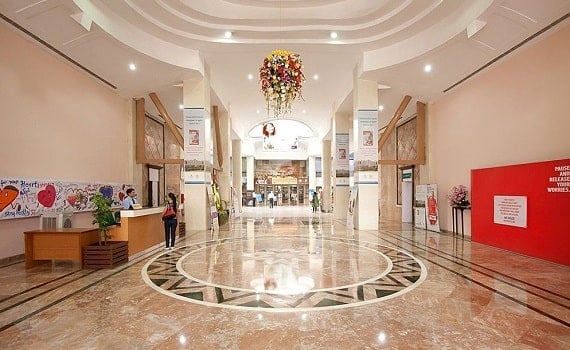
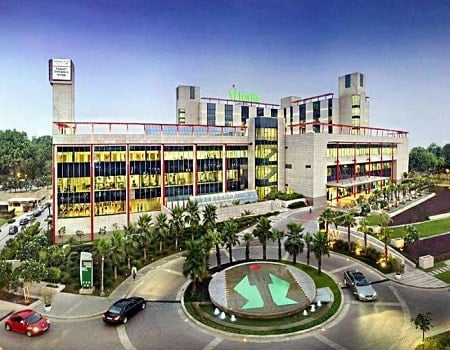
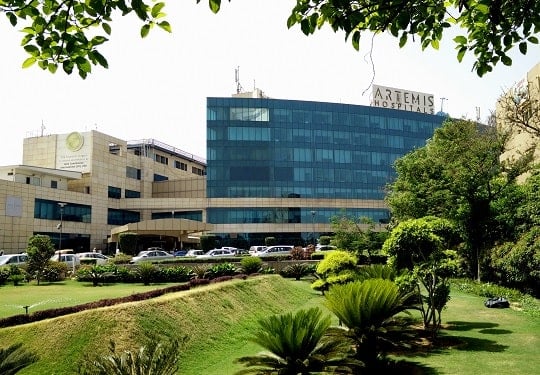
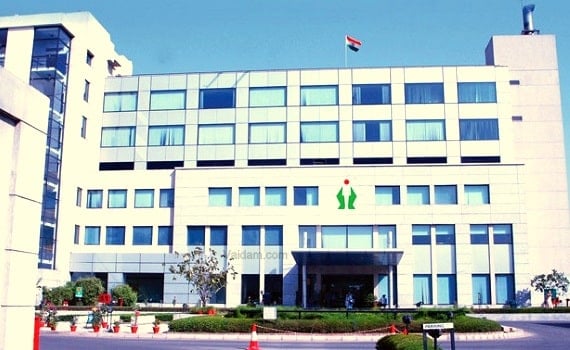
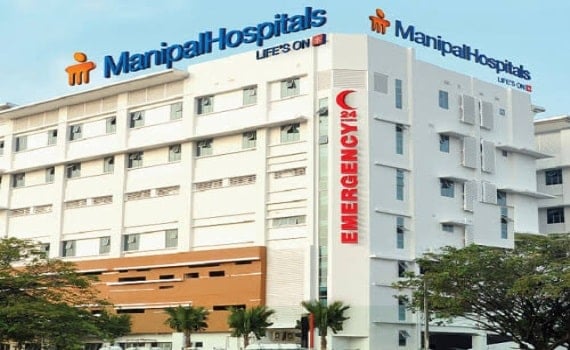
Recommended Hospitals for Radiofrequency Ablation
Frequently Asked Questions Related to Radiofrequency Ablation Cost in India
A procedure that uses heat delivered through a catheter to destroy small areas of heart tissue that cause abnormal rhythms.
No. The same energy is used in other specialties, but those are different procedures. This page covers cardiac ablation.
It can cure many SVTs and typical flutter. For AF it often controls symptoms rather than curing the condition.
Simple ablations can take one to two hours. AF ablation usually takes two to four hours.
Simpler ablations are often done under sedation. AF ablation uses heavy sedation or general anaesthetic.
Usually overnight, and some simpler cases go home the same day.
The cost of Radiofrequency Ablation in India typically ranges from $3,500 to $7,500 USD, depending on the hospital, city, and type of procedure.
3D mapping and complex rhythms add to the cost.
The West Herts NHS leaflet lists groin bruising as common and serious problems as uncommon. These include fluid around the heart, stroke (under 1%) and the need for a pacemaker (0.5–1%).
The West Herts NHS leaflet advises avoiding flying for seven days.
Yes. An EPS is usually done at the start of the same procedure to locate the source of the rhythm. See the EPS page.
 Chat