

What Is the Cost of Femoral-Popliteal Bypass in the UAE?
The cost of femoral-popliteal bypass in the UAE typically ranges from $2,000 to $18,000 USD, depending on the hospital, city, and type of procedure.
A femoral-popliteal (fem-pop) bypass reroutes blood around a blocked artery in the thigh using a vein or synthetic graft. In the UAE, the price depends on:
- Graft type: the patient's vein or a synthetic tube.
- Hospital stay
- Imaging
- Follow-up scans
Femoral-Popliteal Bypass: Bypass Versus Angioplasty
The NHS explains that bypass uses a blood vessel from elsewhere to route around the blockage. It involves larger incisions but lasts longer than angioplasty, which is generally tried first.
Our Services for Femoral-Popliteal Bypass in United Arab Emirates
Transparent, professional support—without the hassles.
Book Doctor Appointment
Choose a specialist and schedule a convenient consultation.
Video or In-person Consultation
Consult remotely or meet your doctor directly at the hospital.
Compare Cost Estimates
Review transparent estimates from suitable hospitals.
Hospitalisation Support
Get coordinated assistance throughout your hospital stay.
 WhatsApp Us
Femoral-Popliteal Bypass: Risks
There is a small risk of heart attack, stroke or death, similar to angioplasty.
Femoral-Popliteal Bypass: Insurance
Planned vascular procedures need insurer prior approval under basic UAE plans, with co-payments; emergency care is handled differently.
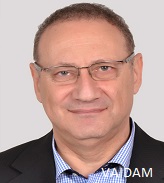
Top Doctors in United Arab Emirates
Recommended Doctors for Femoral-Popliteal Bypass










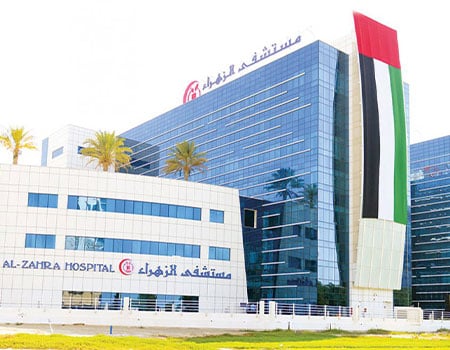
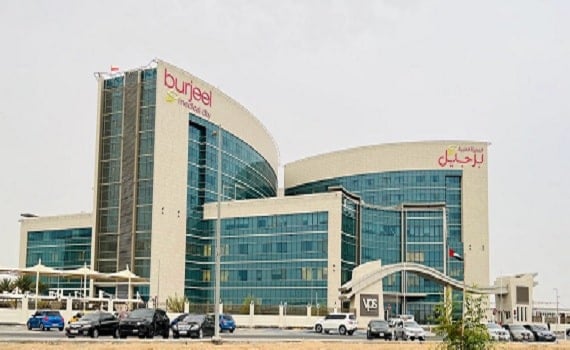
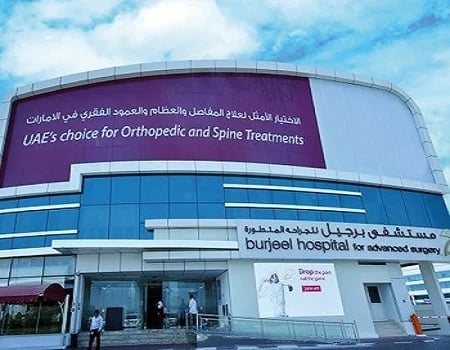
Top Hospitals in United Arab Emirates
Recommended Hospitals for Femoral-Popliteal Bypass






Frequently Asked Questions Related to Femoral-Popliteal Bypass Cost in United Arab Emirates
A graft to bypass a blocked thigh artery.
A vein or a synthetic tube.
It lasts longer but is more invasive.
Angioplasty.
Small risks of heart attack, stroke or death.
Yes.
The cost of femoral-popliteal bypass in the UAE typically ranges from $2,000 to $18,000 USD, depending on the hospital, city, and type of procedure.
Larger than for angioplasty.
Peripheral arterial disease.
Yes.
 Chat