

What Is the Cost of Femoral-Popliteal Bypass in Germany?
The cost of femoral-popliteal bypass in Germany typically ranges from $2,500 to $22,000 USD, depending on the hospital, city, and type of procedure.
Femoral-popliteal bypass creates a new route for blood around a blocked artery in the thigh, connecting the femoral artery above the blockage to the popliteal artery behind the knee. In Germany, the total depends on:
- Graft type: your own vein or a synthetic tube.
- Hospital stay: usually several days.
- Imaging: scans before and after surgery.
- Follow-up: graft checks and medicines.
Bypass or Angioplasty
The NHS explains that bypass surgery uses a blood vessel from elsewhere in the body, or a synthetic tube, to route blood around a blocked artery. It needs larger incisions than angioplasty but usually lasts longer, while angioplasty may need repeating more often.
The choice depends on the length and position of the blockage and your general health.
Our Services for Femoral-Popliteal Bypass in Germany
Transparent, professional support—without the hassles.
Book Doctor Appointment
Choose a specialist and schedule a convenient consultation.
Video or In-person Consultation
Consult remotely or meet your doctor directly at the hospital.
Compare Cost Estimates
Review transparent estimates from suitable hospitals.
Hospitalisation Support
Get coordinated assistance throughout your hospital stay.
 WhatsApp Us
Risks of Leg Bypass Surgery
The NHS notes a small risk of heart attack, stroke and death, similar to angioplasty.
Wound problems, graft blockage and leg swelling can occur, and regular scans check that the graft stays open.
Femoral-Popliteal Bypass in Germany
International patients are usually treated in Germany as self-paying patients: the hospital reviews the medical reports, sends a cost estimate and asks for an advance payment before admission, then settles the final bill after discharge.
Inpatient hospital care in Germany is billed under the German DRG system, which depends on the main diagnosis, other diagnoses and the procedures carried out, so the final amount is known only after the stay.
Patients insured in another EU country need an S2 form from their own insurer for planned treatment in Germany, as the EHIC is intended for unplanned care.
Top Doctors in Germany
Recommended Doctors for Femoral-Popliteal Bypass




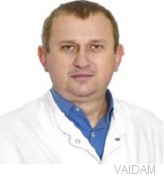






Dr. Maria Kuntzsch
Consultant
Vascular SurgeonCarl Gustav Carus University Hospital, Dresden




Top Hospitals in Germany
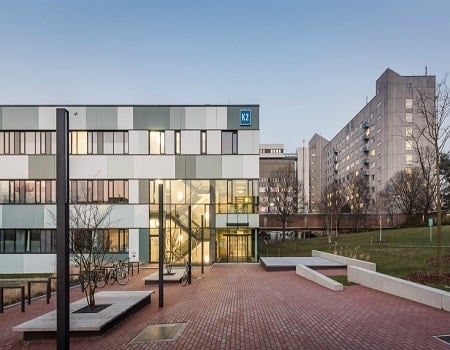
Recommended Hospitals for Femoral-Popliteal Bypass














Frequently Asked Questions Related to Femoral-Popliteal Bypass Cost in Germany
It creates a new route for blood around a blocked thigh artery, connecting the femoral artery to the popliteal artery behind the knee.
The NHS explains that a blood vessel from elsewhere in the body or a synthetic tube is used. Your own vein is often preferred.
The NHS notes that bypass needs larger incisions but usually lasts longer, while angioplasty may need repeating more often.
It is considered for people with peripheral arterial disease causing severe pain or wounds that will not heal. Scans guide the decision.
The NHS notes a small risk of heart attack, stroke and death. Wound problems and graft blockage can also occur.
Most people stay in hospital for several days after femoral-popliteal bypass. Walking is encouraged early.
The cost of femoral-popliteal bypass in Germany typically ranges from $2,500 to $22,000 USD, depending on the hospital, city, and type of procedure.
Regular scans check that the graft stays open. Early narrowing can sometimes be treated before it blocks.
Stopping smoking, walking regularly and taking prescribed medicines help protect the graft and other arteries.
Patients insured in another EU country can apply to their insurer for an S2 form for planned treatment in Germany. The EHIC is intended for unplanned care.
 Chat