

Cost of Bone Marrow Transplant in Noida
Bone Marrow Transplant is a surgical treatment that replaces diseased bone marrow with a healthy one.
BMT involves inserting the donor's healthy blood-forming cells into the patient's bloodstream, where healthy blood cells produce and grow new marrow.
Our Services for Bone Marrow Transplant in Noida
Transparent, professional support—without the hassles.
Book Doctor Appointment
Choose a specialist and schedule a convenient consultation.
Video or In-person Consultation
Consult remotely or meet your doctor directly at the hospital.
Compare Cost Estimates
Review transparent estimates from suitable hospitals.
Hospitalisation Support
Get coordinated assistance throughout your hospital stay.
 WhatsApp Us
Top Doctors in Noida
Recommended Doctors for Bone Marrow Transplant




Dr. Satya Prakash Yadav
Director
Paediatric HematologistMedanta - The Medicity, Gurgaon









Top Hospitals in Noida
Recommended Hospitals for Bone Marrow Transplant


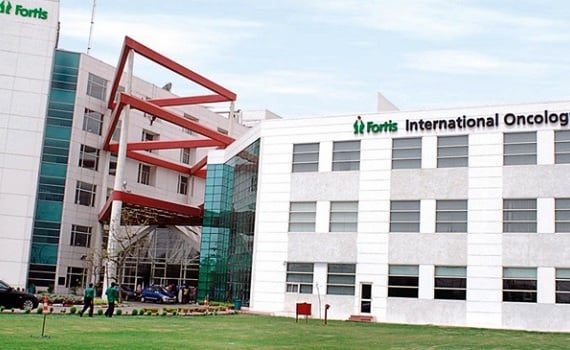
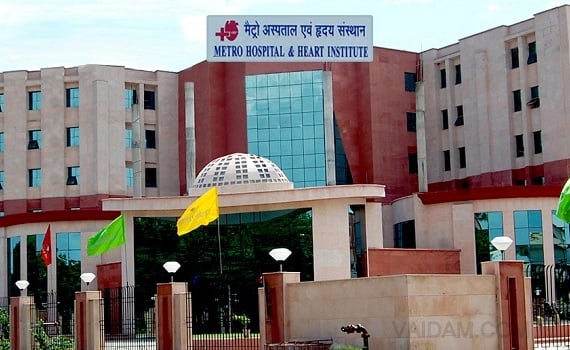
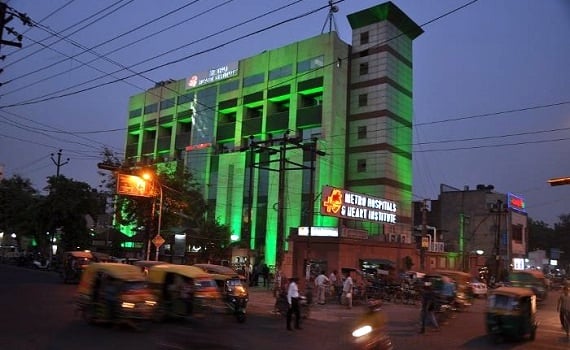
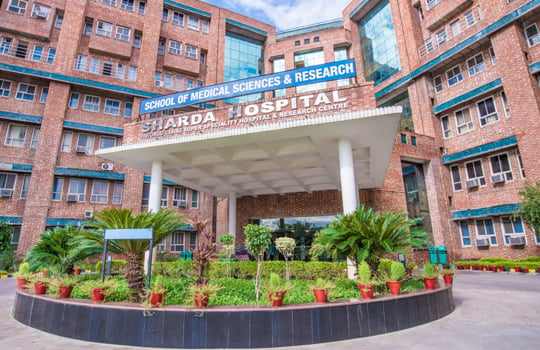

Success Rate
The success rate differs in BMT by the type of cancer, which is 20% in severe cases and goes up to 80% in the case of non-malignant cancers.
Frequently Asked Questions Related to Bone Marrow Transplant Cost
Certain tests are required before a bone marrow transplant, such as a chest X-ray, blood tests, cardiac scan, PET scan, and a bone marrow biopsy. After determining the types of bone marrow cells you require, the doctor will determine which bone marrow test procedure to go for. The cost of the procedure can vary depending on the individual situation.
The pharmacy and medicine costs are included in the package when the patient is hospitalized. If any medicines are taken from outside the hospital, it is not covered in the package. It is an expensive procedure because it involves high-dose treatment. The medicine's cost also depends on the type on types of transplant and the location of where you are getting the transplant.
Generally, it takes around three months to recover from a bone marrow transplant, and the patient should stay 30-60 days in the hospital. The stay duration can be more or less depending on the patient's situation. After that, you have to visit the transplant center daily for several weeks, and various factors determine how long your recovery takes, such as your condition, a good donor match, chemotherapy, and radiation.
Your complete recovery might take a year when you are discharged from the hospital. You can resume your daily activities 3 months after the procedure. After the transplant, the risk of infection is very high, and you are more susceptible to bacteria and viruses during the first 6 weeks after the transplant. Antibiotics are suggested to reduce the risks of infection. You should immediately visit your doctor if you feel high temperature, unusual pain or swelling in the body, and blurred vision.
Bone marrow transplant is covered by insurance, but different insurers have different policies. It is better to ask your healthcare provider if your bone marrow transplant will be covered.
Umbilical cord blood is an alternative to transplantation of bone marrow and is effective in treating bone marrow failure syndromes and blood & immune disorders.
 Chat
Chat