

What Is the Cost of Allogeneic Bone Marrow Transplant in India?
The cost of an allogeneic bone marrow transplant in India typically ranges from $25,000 to $35,000 USD, depending on the hospital, city, and type of procedure.
An allogeneic bone marrow (stem cell) transplant uses healthy blood-forming stem cells from a donor. The cost usually depends on:
- Donor type: a matched sibling, a matched unrelated donor or a half-matched family donor.
- Donor search and tissue typing: unrelated donor searches add cost.
- Conditioning treatment: chemotherapy, with or without radiotherapy.
- Hospital stay: often several weeks in a specialised unit.
- Complications: infections or graft-versus-host disease may extend treatment.
How a Donor Is Found
Anthony Nolan explains that brothers and sisters are usually tested first because they share the same parents. If no sibling matches, a search is made of unrelated donor registries.
Matching is based on tissue type (HLA). Anthony Nolan notes that a closer match is generally preferred. Half-matched (haploidentical) family donors and cord blood are other options.
Our Services for Allogeneic Bone Marrow Transplant in India
Transparent, professional support—without the hassles.
Book Doctor Appointment
Choose a specialist and schedule a convenient consultation.
Video or In-person Consultation
Consult remotely or meet your doctor directly at the hospital.
Compare Cost Estimates
Review transparent estimates from suitable hospitals.
Hospitalisation Support
Get coordinated assistance throughout your hospital stay.
 WhatsApp Us
What Happens During Treatment
According to the NHS, the patient first has conditioning treatment with chemotherapy, sometimes with radiotherapy, to prepare the bone marrow. The donor's stem cells are then given through a drip, much like a blood transfusion.
The patient is cared for in a protective room while blood counts are low, until the new stem cells start making blood cells.
Graft-Versus-Host Disease and Other Risks
The NHS explains that graft-versus-host disease (GvHD) can occur after a donor transplant. The donor's immune cells attack the patient's tissues, which may affect the skin, gut, liver, mouth, eyes, lungs or joints.
Other risks include:
- Infection: while the immune system is weak; fever needs urgent attention.
- Infertility: from conditioning treatment; storing eggs or sperm may be discussed.
- Graft failure: the new cells may not take.
- Relapse: the original disease may return.
Top Doctors in India
Recommended Doctors for Allogeneic Bone Marrow Transplant



Dr. Satya Prakash Yadav
Director
Paediatric HematologistMedanta - The Medicity, Gurgaon












Top Hospitals in India
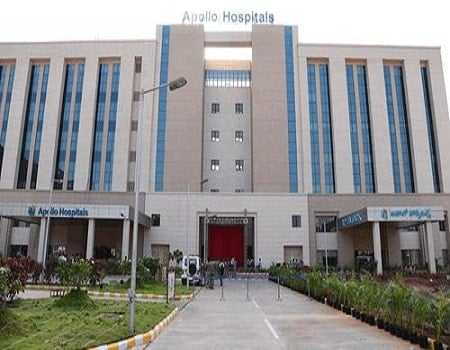
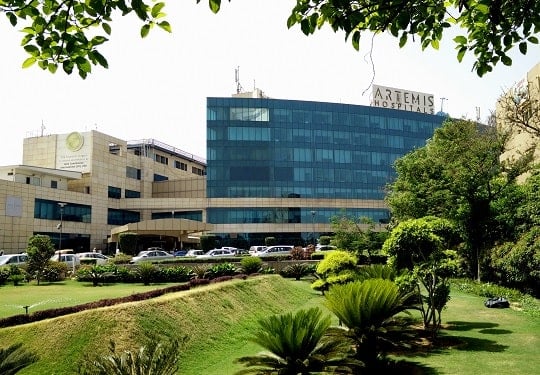
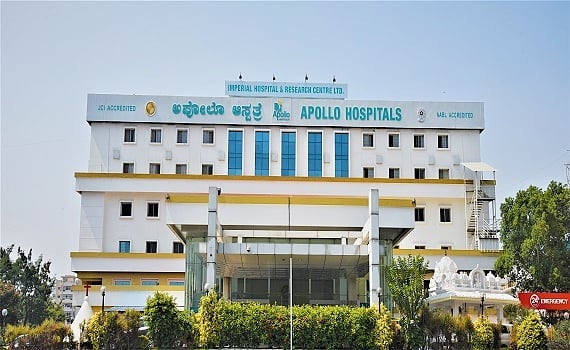
Recommended Hospitals for Allogeneic Bone Marrow Transplant










Frequently Asked Questions Related to Allogeneic Bone Marrow Transplant Cost in India
It is a stem cell transplant using cells from a donor, such as a sibling, an unrelated volunteer or a half-matched family member.
Anthony Nolan explains that brothers and sisters are usually tested first. If no sibling matches, unrelated registries are searched.
Most donors give stem cells from the bloodstream through a machine. Some donate bone marrow from the hip under general anaesthetic.
It is a condition in which the donor's immune cells attack the patient's tissues. It can affect the skin, gut, liver and other organs.
The donor's immune cells can help attack remaining cancer cells, which is called the graft-versus-leukaemia effect.
Most patients stay in hospital for several weeks until blood counts recover.
The cost of an allogeneic bone marrow transplant in India typically ranges from $25,000 to $35,000 USD, depending on the hospital, city, and type of procedure.
Risks include infection, graft-versus-host disease, infertility, graft failure and relapse.
An autologous transplant uses the patient's own cells, so there is no risk of graft-versus-host disease. An allogeneic transplant uses donor cells.
Regular check-ups continue for a long time to monitor blood counts, GvHD, infection and the original disease.
 Chat