

What Is the Cost of Stomach Cancer Treatment in India?
Stomach Cancer treatment in India typically ranges from $3,000 to $15,000 USD, depending on the hospital, city, and type of procedure.
Stomach cancer treatment is rarely a single procedure. The total depends on which of these pathways applies:
- Very early cancer: endoscopic resection (EMR or ESD) removes the tumour through the mouth without opening the abdomen; it is the least expensive option but suits only small tumours confined to the lining.
- Operable cancer: perioperative chemotherapy (commonly four cycles before and four after surgery) plus subtotal or total gastrectomy with D2 lymph node removal.
- Advanced cancer: chemotherapy, with trastuzumab for HER2-positive tumours or nivolumab/pembrolizumab for suitable tumours; drug costs accumulate cycle by cycle.
Ask whether HER2, PD-L1 and mismatch-repair tests on the biopsy are included; they decide which drugs you can use.
Staging Comes Before Surgery
A common mistake is to schedule a gastrectomy on the basis of endoscopy alone. Proper staging avoids an operation that cannot remove all the cancer.
- Endoscopy with biopsies: confirms the diagnosis and tumour type.
- CT of chest, abdomen and pelvis: looks for spread to the liver, lungs and lymph nodes.
- Endoscopic ultrasound: measures depth of invasion when endoscopic resection is being considered.
- Staging laparoscopy: detects spread to the abdominal lining that scans can miss, which changes treatment from surgery to chemotherapy.
Our Services for Stomach Cancer Treatment in India
Transparent, professional support—without the hassles.
Book Doctor Appointment
Choose a specialist and schedule a convenient consultation.
Video or In-person Consultation
Consult remotely or meet your doctor directly at the hospital.
Compare Cost Estimates
Review transparent estimates from suitable hospitals.
Hospitalisation Support
Get coordinated assistance throughout your hospital stay.
 WhatsApp Us
Living Without All or Part of the Stomach
Eating changes after gastrectomy are the part of recovery patients ask about most.
- Small, frequent meals: six or more small meals a day for the first months, with weight monitoring.
- Dumping syndrome: dizziness, sweating or diarrhoea after sugary or large meals; it usually improves with diet changes.
- Vitamin B12 and iron: lifelong B12 injections are needed after total gastrectomy, and iron or calcium deficiency is common.
- Weight loss: most patients lose weight in the first year; a dietitian should be part of follow-up.
Splitting Stomach Cancer Treatment Between India and Home
If chemotherapy is given before surgery, the whole plan can take five to six months. Many international patients have surgery in India and complete chemotherapy at home with a shared treatment plan.
- Surgery admission: about one week in hospital, then one to two weeks nearby before flying.
- Pathology: the final report decides whether the post-operative chemotherapy cycles go ahead as planned.
- Follow-up: clinic review and blood tests every three to six months, with scans when symptoms suggest recurrence.
Indian hospitals commonly advertise savings of 60% to 80% compared with the United States, UK, or private Middle Eastern centers. Treat that as a general comparison rather than a verified figure for this treatment, and compare itemised written quotes.
Top Doctors in India
Recommended Doctors for Stomach Cancer Treatment















Top Hospitals in India
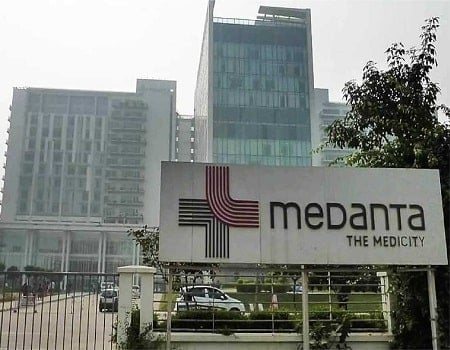
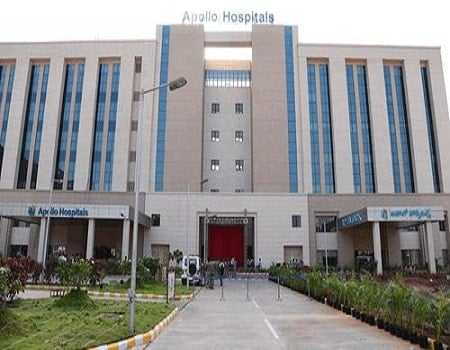
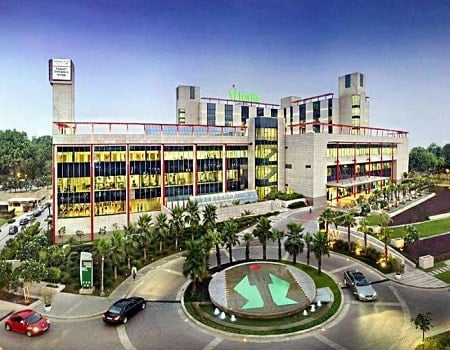
Recommended Hospitals for Stomach Cancer Treatment

Frequently Asked Questions Related to Stomach Cancer Treatment Cost in India
Gastrectomy is major surgery. The main risks are a leak where the bowel is joined, bleeding, infection and chest complications. Risk is lower in high-volume centres and in patients who are well nourished before surgery.
The surgical component is the largest single item, but chemotherapy before and after surgery is usually priced separately per cycle. Ask for both when comparing hospitals.
Early stomach cancer is often curable with endoscopic resection or surgery. For cancer that has grown through the stomach wall or reached lymph nodes, combining chemotherapy with surgery improves the chance of cure.
Persistent indigestion, feeling full after small meals, upper abdominal discomfort, unexplained weight loss, vomiting, difficulty swallowing and signs of bleeding such as black stools or anaemia.
Long-term H. pylori infection is a major risk factor. Treating the infection lowers risk, and family members of patients with stomach cancer may be advised to get tested.
A common regimen (FLOT) uses four two-weekly cycles before surgery and four after. Other regimens use three-weekly cycles. Your oncologist will set the number based on stage and how well you tolerate treatment.
Stomach Cancer treatment in India typically ranges from $3,000 to $15,000 USD, depending on the hospital, city, and type of procedure.
The difference between the lower and upper end usually reflects whether perioperative chemotherapy or targeted drugs are needed.
Removal of the lymph nodes around the stomach and along its main arteries. It improves staging and local control and is the standard in experienced centres in Asia and increasingly elsewhere.
Some surgeons place a temporary feeding tube into the small bowel during surgery, especially for total gastrectomy or poorly nourished patients. It is usually removed within weeks.
Most people leave hospital in about a week and return to light activity in four to six weeks. Adjusting to new eating patterns can take several months.
 Chat