

What is Aortic Valve Replacement Surgery Cost in Turkey?
Rheumatic heart disease is one of the most common heart diseases, which results in permanent heart valve damage. If left untreated it may also lead to severe heart conditions such as congestive heart failure and ultimately death. The best possible solution to this end-stage ailment is replacement of damaged heart valves.
The average cost of aortic valve replacement surgery in Turkey ranges between USD 14000 and USD 18000. This cost mentioned includes the price of the prosthetic valve, cardiac surgeon fees, anaesthesia and OT charges, medical consumables, and a hospital stay for 3-7 days.
Top Doctors in Turkey
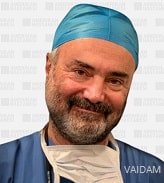
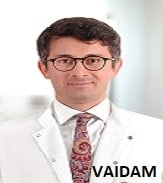
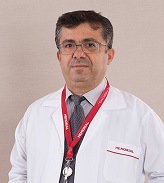
Recommended Doctors for Aortic Valve Replacement












Our Services for Aortic Valve Replacement in Turkey
Transparent, professional support—without the hassles.
Book Doctor Appointment
Choose a specialist and schedule a convenient consultation.
Video or In-person Consultation
Consult remotely or meet your doctor directly at the hospital.
Compare Cost Estimates
Review transparent estimates from suitable hospitals.
Hospitalisation Support
Get coordinated assistance throughout your hospital stay.
 WhatsApp Us
What is Aortic Valve Replacement Surgery?
The heart is the primary organ involved in blood circulation containing flaps-like structures called valves.
Aortic valve is one of the heart valves, which maintains blood flow to the aorta and ensures that oxygen-rich blood does not flow back into the left ventricle. Any complication associated with this bicuspid valve leads to insufficient blood supply and intermixing of oxygenated and deoxygenated blood.
Sometimes, due to underlying conditions, these aortic valves can't function properly due to the following conditions:
Aortic stenosis
The valve becomes narrow and stiff due to calcification or some genetic disorder. As a result of which aortic valve doesn’t open or close properly, leading to a condition known as aortic stenosis.
Atherosclerosis
Deposition of plaques containing cholesterol, calcium, and other fatty substances builds up and hardens inside the arteries. These can partially or entirely limit blood circulation to the heart, a condition referred to as atherosclerosis.
Congenital heart conditions
The aortic valve is a tricuspid valve. However, some genetic defects during pregnancy, children are born with a two-cusped aortic valve instead of three. This bicuspid aortic valve is referred to as hereditary congenital heart defect that limits the heart's function.
Infective endocarditis
A significant inflammation in the heart, with fevers, chills, and fatigue caused by bacterial infection leads to infective endocarditis. This infection reaches to the valves, thus reducing its capacity to control the blood flow.
Aortic valve regurgitation
In this heart condition, the aortic valve fails to close tightly, which leads to backward leakage of blood into the left ventricle of the heart leading to the following symptoms:
Shortness of breath
Persistent chest pain
Irregular heartbeat
Feeling of dizziness followed by fainting
To treat such conditions, cardiac surgeons perform aortic valve replacement surgery. In this procedure, they replace the damaged valve with a prosthetic valve. The two types of prosthetic valve includes:
Mechanical Valves: Made from artificial materials, usually pyrolite carbon (covered in a polyester knit fabric ring), they are durable and can last a lifetime. However, patients with mechanical valves need to take anticoagulants for their entire lives to prevent complications of blood clots.
Biological Valves: As the name suggests, these are made from biological tissue or animal valves,derived from pigs or cows. Though it doesn't require lifelong blood-thinning medication, they may deteriorate over time and need to be replaced
What are the Types of Aortic Valve Replacement Surgery?
Aortic valve replacement surgery can be categorised into the following types based on the degree of invasiveness-
Surgical aortic valve replacement
In this method, large incisions are made in the patient’s chest to reach the heart valve. Then, the cardiac surgeon replaces the damaged aortic valve with a prosthetic valve. Since it is an open-heart surgery, it allows cardiac surgeons to directly visualise the inside of the heart and then perform the surgery.
Minimal invasive aortic valve replacement
This technique is known for creating minimal incisions to perform the aortic valve replacement surgery. Minimal invasiveness ensures faster recovery and less chances of infection.
Transcatheter aortic valve replacement/implantation
This is an advanced form of minimal invasive technique, in which a cardiac surgeon inserts a catheter into the heart through which the prosthetic valve is inserted there pushing the damaged valve behind it.
What are the Key Factors That Affect the Aortic Valve Replacement Surgery Cost in Turkey?
Cardiac patients can make informed decisions about their treatment by knowing the potential costs of aortic valve replacement surgery. This can help them plan ahead, consider cost-effective strategies, and avoid financial stress.
The key factors affecting the aortic valve replacement cost in Turkey are listed below.
Type of prosthetic valve used
The price of aortic valve replacement can vary based on the valve selected, including mechanical and biological options. Certain valves, like self-expandable or balloon-expandable designs, may be more costly due to their specific features. TAVI procedures typically involve a biological prosthetic valve.
Hospital location and cardiac's surgeon expertise
The hospital's location and distance from major cities in Turkey also impact the cost. Top hospitals, undoubtedly, provide better services that may add some expenses to the overall transaction. Also, surgeons at top cardiac hospitals in Turkey may charge extra fees because of their high skill and expertise.
Additional stay at hospital/ICU
In particular, in cardiac complexities, the patient may have to stay for some additional days in the ICU for post-operative care. Thus, the additional hospital stay costs around USD 200 to USD 400 on a per-day basis.
What are the Costs Associated with Aortic Valve Replacement Before and After the Procedure?
Before aortic valve replacement, cardiac surgeons recommend various tests and examinations to understand the extent of the damage caused to the aortic valve. Even after the replacement procedure is over, follow-ups are necessary to ensure that the prosthetic valve is functioning efficiently. These affect costs of aortic valve replacement surgery in Turkey and should not be overlooked by the patients and their families.
Pre-procedural examination cost (complete blood count, electrocardiogram, echocardiogram, coronary angiography, CT scan, nuclear stress test, etc.) USD 300 to USD 400
Post-procedural cost (follow-up consultations and medications): USD 250 to USD 400
What is the Cost of Aortic Valve Replacement Surgery in Turkey Vs. Other countries?
Cost of Aortic Valve Replacement | USD |
|---|---|
Turkey | 16000 |
India | 9500 |
What should be Post Aortic Valve Replacement Surgery Care?
After replacing a natural valve with a prosthetic one, it's crucial to monitor for potential complications that may arise post-surgery. The complications such as Infections, bleeding, and other medical issues require immediate attention.
Some essential measures for post-surgery care includes:
Follow medical guidance
Patients should strictly follow their doctor's instructions related to medications, follow-up appointments, and dietary recommendations.
Limit Physical Activity
It’s recommended to avoid strenuous activities initially to allow the body’s immune system to adjust to the prosthetic valve and heal properly.
Monitor for Infections
In case of any signs of infection and symptoms such as discomfort or fever, doctor should be informed immediately to avoid further complications
Participate in Cardiac Rehabilitation
These programs can help the patient recover after aortic valve replacement surgery and improve cardiovascular health. This also reduces the risk of heart problems that may arise. Through supervised exercise and dietary guidance, patients learn to manage their cardiac health.
Top Hospitals in Turkey
Recommended Hospitals for Aortic Valve Replacement















 Chat