

Cost of Skin Cancer in India
Skin cancer is an abnormal growth of skin cells that most often occurs on sun-exposed skin. It can also occur in areas of skin not ordinarily exposed to sunlight.
Three major types of skin cancer are basal, squamous, and melanoma.
Treatment options for skin cancer vary depending on the lesions' size, type, depth, and location. An initial skin biopsy can be sufficient to remove small skin cancers limited to the skin's surface.
Additional treatment, if required, may include Excisional surgery, Mohs surgery, Curettage, Electrodesiccation or Cryotherapy, Radiation therapy, Chemotherapy, Photodynamic therapy, Biological therapy, etc.
Our Services for Skin Cancer in India
Transparent, professional support—without the hassles.
Book Doctor Appointment
Choose a specialist and schedule a convenient consultation.
Video or In-person Consultation
Consult remotely or meet your doctor directly at the hospital.
Compare Cost Estimates
Review transparent estimates from suitable hospitals.
Hospitalisation Support
Get coordinated assistance throughout your hospital stay.
 WhatsApp Us
Top Doctors in India
Recommended Doctors for Skin Cancer





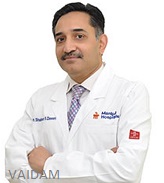
Dr Yogesh Kulkarni
Consultant
Surgical OncologistKokilaben Dhirubhai Ambani Hospital, Mumbai







Top Hospitals in India
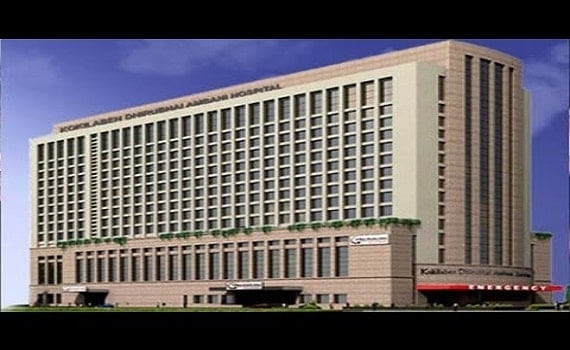
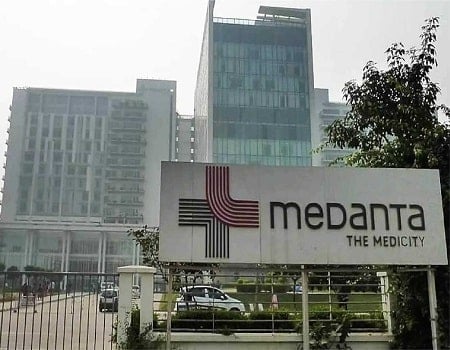
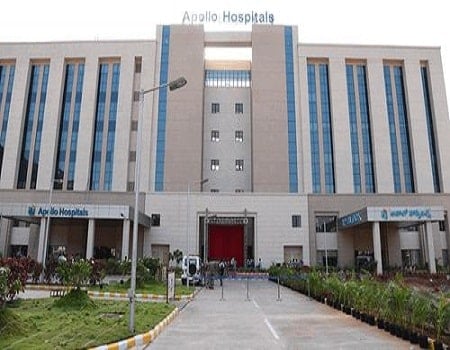
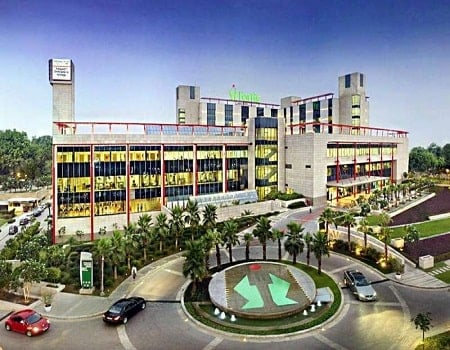
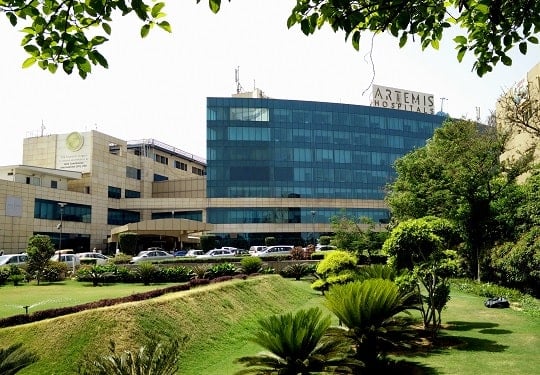
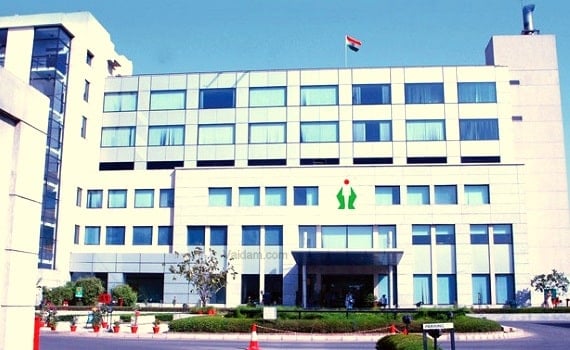
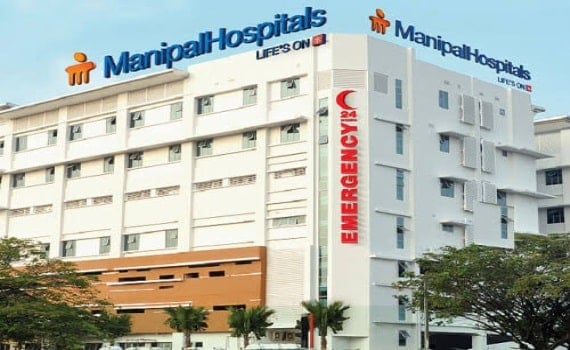
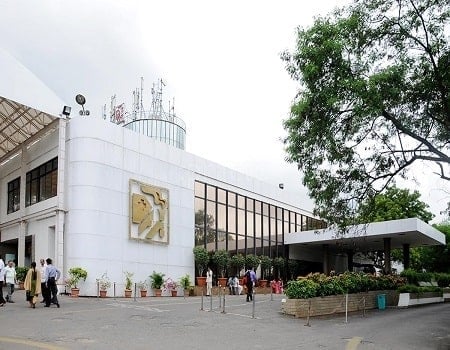
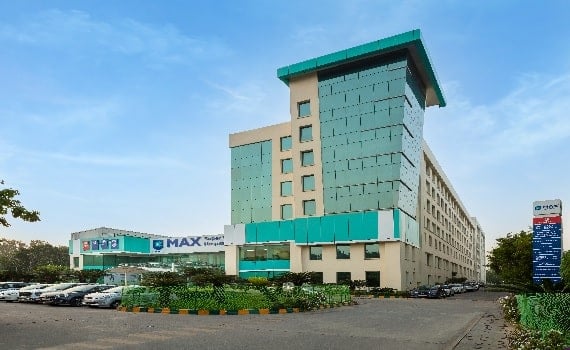
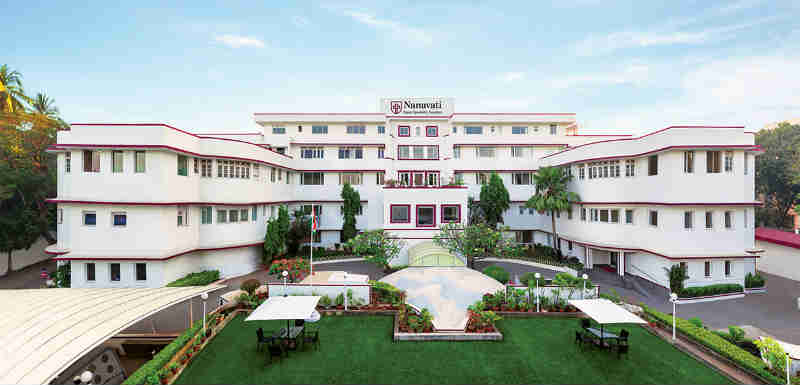
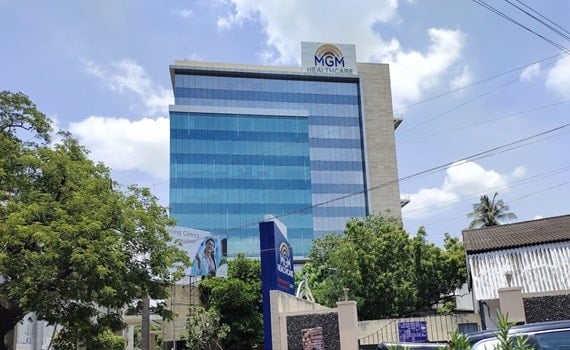
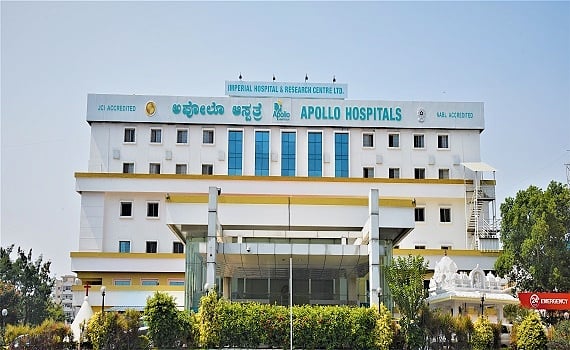
Recommended Hospitals for Skin Cancer

Inclusions in the package
The cost of Skin Cancer includes:
-
Preoperative diagnostic tests cost may include Skin biopsy, etc.
-
Surgery cost (Depends upon the type and size of the tumor and the extent to which the tumor has spread)
-
Post-Operative cost (there might be a need for Chemotherapy or Radiotherapy before or post-surgery)
-
Medicines
-
Patient's hospital stay
Factors affecting cost of Skin Cancer
The overall cost of the procedure also varies based on the patient's condition and preferences. Some of these factors are:
-
Type of hospital and room opted (General, Twin sharing, or Single room)
-
The stage and type of cancer
-
Patients may require repeated investigation through PET CT and related tests Post-surgery / Chemotherapy / Radiation Therapy.
-
Any additional tests may be required.
-
An extended stay at the Hospital
-
Cost of Accommodation during follow-ups, in case the patient is not a local resident [may take longer duration in case of chemotherapy or radiotherapy sessions]
Success Rate
The 5-year survival rate for skin cancer is 99% if detected early.
Frequently Asked Questions Related to Skin Cancer Cost
The package includes the cost of the tests that need to be done before a skin cancer treatment. Your doctor will examine your skin and remove a sample of suspicious skin for lab testing. A biopsy is done to evaluate whether you have skin cancer. Additional tests might include MRI, CT scans, and X-rays.
Medicines that are consumed in the hospital are included in the package. While the medicines bought from outside the hospital after the patient gets discharged are not part of the package.
You will be under local anesthetic for small skin cancers and might go home on the same day. For large skin cancers, you will need a general anesthetic and stay in the hospital overnight. If you have non-melanoma skin cancer, your follow-up visits are usually scheduled every 6-12 months. Follow-up is done more often for the first two years if you were treated for high-risk non-melanoma skin cancer.
You may have stitches until your wound heals after the skin incision, and you might take painkillers if you experience any pain. Most wound takes 1-3 weeks to heal. If you have more advanced skin cancer, it may never go away completely. You may get regular treatment with radiation therapy and chemotherapy, which are not covered in the package.
Luckily, many health insurance plans cover skin cancer treatment. Many insurance plans cover hospitalization but not out-patient department consultation costs and daycare procedures. Some cover out-patient consultation, daycare services along with hospitalization. It is better to read the terms and conditions of the policy to understand the coverage details.
Non-surgical procedures such as radiation therapy and topical medications are cheaper than surgery. It is best to consult your doctor to get the best treatment plan.
 Chat
Chat