

What Is the Cost of Scoliosis Surgery in India?
Scoliosis treatment in India typically ranges from $17,000 to $25,000 USD, depending on the hospital, city, and type of procedure.
The main cost drivers for scoliosis surgery are:
- Number of vertebrae fused: longer fusions need more screws and rods and a longer operation.
- Implants: titanium or cobalt-chrome screws and rods are a major share of the bill; growing rods or vertebral body tethering use different hardware.
- Type of scoliosis: idiopathic curves in adolescents are usually less complex than congenital or neuromuscular scoliosis, which may need intensive care and longer stays.
- Spinal cord monitoring: intra-operative neuromonitoring is standard in deformity surgery and should be included.
Ask the hospital to list implants separately; implant brand and count explain much of the difference between quotes.
Observation, Bracing or Surgery
Most scoliosis does not need surgery. Guidance summarised by the American Academy of Orthopaedic Surgeons (AAOS):
- Curves under about 25°: observation with X-rays every 6 to 12 months while growing.
- Curves of about 25° to 45° in a growing child: bracing to stop progression; a brace does not straighten an existing curve.
- Curves over about 45° to 50°, or progressing despite bracing: surgery is usually recommended.
- Young children with early-onset scoliosis: casting, bracing or growing rods to allow continued spinal growth.
Our Services for Scoliosis Treatment in India
Transparent, professional support—without the hassles.
Book Doctor Appointment
Choose a specialist and schedule a convenient consultation.
Video or In-person Consultation
Consult remotely or meet your doctor directly at the hospital.
Compare Cost Estimates
Review transparent estimates from suitable hospitals.
Hospitalisation Support
Get coordinated assistance throughout your hospital stay.
 WhatsApp Us
Tests Before Surgery
Planning aims to correct the curve safely and protect the spinal cord and lungs.
- Standing full-spine X-rays: including side-bending views to judge flexibility.
- MRI of the spine: for atypical curves, young children or neurological signs, to exclude problems such as a syrinx or tethered cord.
- Lung function tests: for large curves or neuromuscular scoliosis.
- Blood management planning: to reduce transfusion needs.
Recovery After Spinal Fusion and Return to School
After posterior spinal fusion for adolescent idiopathic scoliosis, AAOS notes most patients walk on the first day, go home in about three to four days and return to school in about four weeks.
- Stay in India: about two to three weeks in total, including a check-up and wound review before flying.
- Sport: most return to sport in six to nine months; some surgeons advise against collision sports.
- Follow-up: X-rays at intervals to confirm the fusion has healed.
Indian hospitals commonly advertise savings of 60% to 80% compared with the United States, UK, or private Middle Eastern centers. Treat that as a general comparison rather than a verified figure for this treatment, and compare itemised written quotes.
Top Doctors in India
Recommended Doctors for Scoliosis Treatment
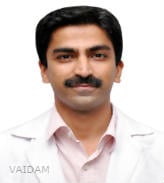
Dr. Sajan K Hegde
Senior Consultant
Spine SurgeonApollo Hospitals, Greams Road, Chennai
Top Hospitals in India
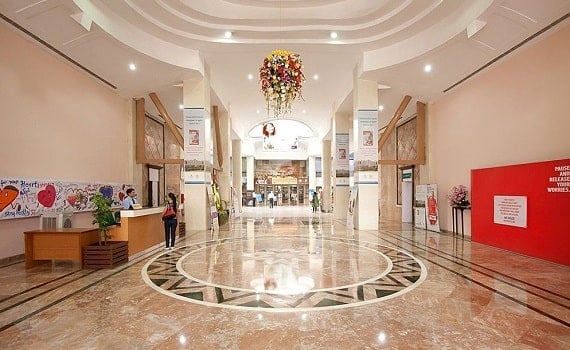
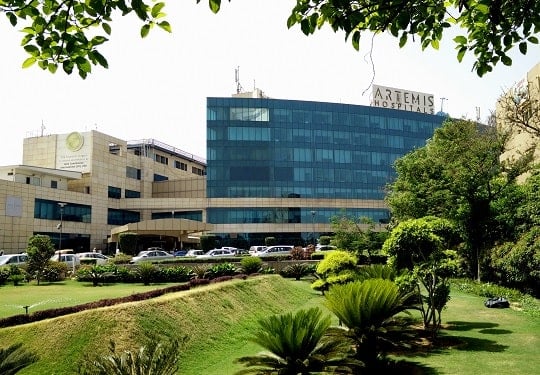
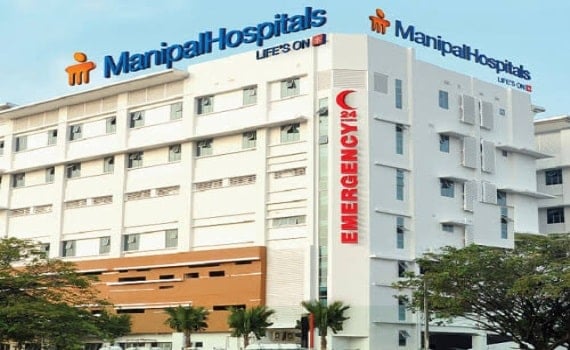
Recommended Hospitals for Scoliosis Treatment
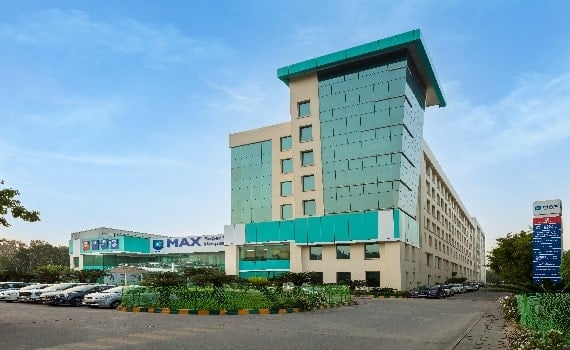
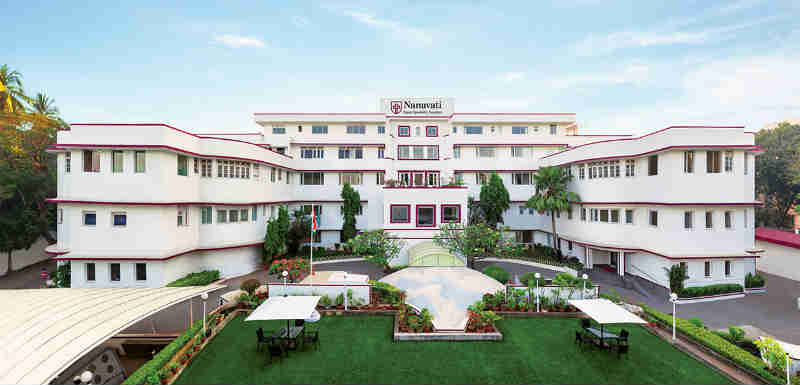
Frequently Asked Questions Related to Scoliosis Treatment Cost in India
Surgery is usually recommended for curves over about 45 to 50 degrees, or for curves that keep progressing despite bracing.
For growing children with curves of about 25 to 45 degrees, wearing a brace as prescribed reduces the chance of progression to surgery. It does not correct the existing curve.
Typically several hours, depending on the number of levels fused and the curve's stiffness.
It is major surgery, but serious complications are uncommon in experienced centres. Risks include infection, bleeding, implant problems and, rarely, nerve or spinal cord injury, which is why spinal cord monitoring is used.
The fused part of the spine no longer moves, but the unfused segments and hips allow most everyday bending. Flexibility depends on how many levels are fused.
A non-fusion technique for selected growing children that uses screws and a flexible cord on the front of the spine to guide growth. Long-term evidence is more limited than for fusion.
Scoliosis treatment in India typically ranges from $17,000 to $25,000 USD, depending on the hospital, city, and type of procedure.
The number of levels fused and implant choice explain most of the variation.
Most adolescents return to school about four weeks after surgery, with restrictions on lifting and sports.
Posterior fusion leaves a scar down the middle of the back, whose length depends on the levels fused.
Usually not. Rods and screws are left in place permanently unless they cause problems.
 Chat