

What Is the Cost of Carcinoid Tumors Treatment in Germany?
The cost of Carcinoid Tumors treatment in Germany typically ranges from $18,000 to $70,000 USD, depending on the hospital, city, and type of procedure.
Carcinoid tumours are a type of neuroendocrine tumour (NET), a rare growth that develops from hormone-producing cells, most often in the digestive system or the lungs. In Germany, the total depends on:
- Surgery: removing the tumour where possible.
- Somatostatin analogue injections: usually every 28 days.
- Liver-directed treatment: such as embolisation or ablation.
- Specialist scans: including octreotide or PET scans.
- Radionuclide treatment: such as lutetium for some tumours.
Cancer treatment costs depend on the stage and the treatments needed. A full course of care can cost more than this range, so ask what each estimate includes.
Carcinoid Tumour Symptoms and Investigations
The NHS says symptoms depend on where the tumour is and whether it releases hormones. Tumours in the gut may cause diarrhoea, constipation or abdominal pain, and lung tumours may cause wheezing or a lasting cough.
Functioning tumours release hormones that can cause flushing, diarrhoea, cramps, wheezing and heart problems. Tests include blood and urine tests, ultrasound, CT, MRI, PET or octreotide scans and a biopsy.
Our Services for Carcinoid Tumors Treatment in Germany
Transparent, professional support—without the hassles.
Book Doctor Appointment
Choose a specialist and schedule a convenient consultation.
Video or In-person Consultation
Consult remotely or meet your doctor directly at the hospital.
Compare Cost Estimates
Review transparent estimates from suitable hospitals.
Hospitalisation Support
Get coordinated assistance throughout your hospital stay.
 WhatsApp Us
Carcinoid Tumour Treatment Options
Surgery removes the tumour where possible and can ease symptoms even when it cannot cure. Somatostatin analogues such as octreotide and lanreotide control hormone release, ease symptoms and slow growth, usually by injection every 28 days.
Other options include embolisation, chemotherapy, radiotherapy and radiofrequency ablation. The NHS lists everolimus, sunitinib and lutetium for some adults with tumours that cannot be fully removed.
Neuroendocrine Tumour Care in Germany
Treatment for carcinoid tumours often continues for years with regular injections and scans, so international patients usually combine a visit to Germany with ongoing care at home. International patients are usually treated in Germany as self-paying patients: the hospital reviews the medical reports, sends a cost estimate and asks for an advance payment before admission, then settles the final bill after discharge.
Radionuclide treatment such as lutetium needs a stay on a nuclear medicine ward, which is estimated separately.
Top Hospitals in Germany
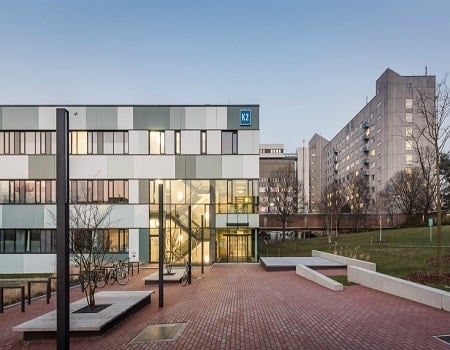
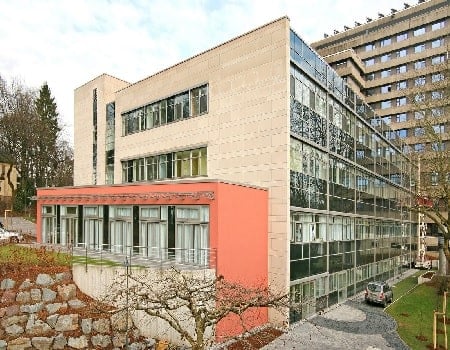
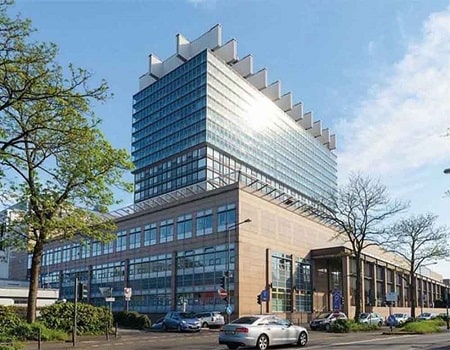
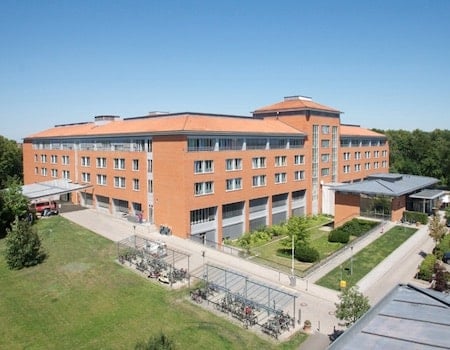
Recommended Hospitals for Carcinoid Tumors Treatment











Frequently Asked Questions Related to Carcinoid Tumors Treatment Cost in Germany
Carcinoid tumours are neuroendocrine tumours that are often slow-growing but can spread. Specialist cancer teams manage them.
They can grow in many organs, most often the digestive system and the lungs, according to the NHS. The site affects both symptoms and treatment.
Carcinoid syndrome is a set of symptoms such as flushing, diarrhoea, cramps and wheezing caused by hormones from some tumours. Tumours that release hormones are called functioning tumours.
These somatostatin analogues control hormone release, ease symptoms and slow tumour growth. The NHS says they are usually injected every 28 days.
Surgery can remove a tumour that has not spread. When a cure is not possible, it may still reduce symptoms.
The NHS notes a higher risk in people with MEN1, neurofibromatosis type 1 or von Hippel-Lindau syndrome. The cause is not fully understood.
The cost of Carcinoid Tumors treatment in Germany typically ranges from $18,000 to $70,000 USD, depending on the hospital, city, and type of procedure.
Lutetium is a radioactive treatment given into a vein that targets neuroendocrine tumour cells. The NHS lists it for some adults whose tumours cannot be fully removed.
Blood and urine tests and regular scans track the tumour and hormone levels. Many people live with the condition for years.
Radionuclide treatment is usually given on a nuclear medicine ward with a short stay because of radiation safety rules. Ask the hospital for a separate estimate for this treatment.
 Chat