

What Is the Cost of Heart Bypass Surgery (CABG) in Germany?
The cost of heart bypass surgery (CABG) in Germany typically ranges from $20,000 to $40,000 USD, depending on the hospital, city, and type of procedure.
Coronary artery bypass grafting (CABG) uses a healthy blood vessel to route blood past a narrowed or blocked coronary artery so that the heart muscle receives enough oxygen. In Germany, the total depends on:
- How many grafts are needed: a quadruple bypass takes longer than a single or double bypass.
- Days in intensive care: patients usually spend the first day or two after surgery on an intensive care unit.
- Total length of stay: most people remain in hospital for around a week.
- Chief physician treatment: if the patient chooses it, the surgeon's fees are added under the GOÄ.
CABG Step by Step
According to the NHS, the operation is carried out under general anaesthetic and lasts between 3 and 6 hours. In most cases the surgeon reaches the heart through an incision along the breastbone, and keyhole access is used for some patients.
Graft vessels are taken from the leg or the chest wall, and as many as four grafts may be attached. While this is done, a heart-lung bypass machine usually takes over the circulation.
Our Services for Heart Bypass Surgery (CABG) in Germany
Transparent, professional support—without the hassles.
Book Doctor Appointment
Choose a specialist and schedule a convenient consultation.
Video or In-person Consultation
Consult remotely or meet your doctor directly at the hospital.
Compare Cost Estimates
Review transparent estimates from suitable hospitals.
Hospitalisation Support
Get coordinated assistance throughout your hospital stay.
 WhatsApp Us
Getting Back to Normal After Bypass Surgery
The NHS says most people can get back to their usual activities about six weeks after surgery, while a full recovery usually takes two to three months. Heavy lifting should be avoided for three months.
Patients are usually advised not to drive for at least four weeks. Cardiac rehabilitation, a programme of supervised exercise, education and support, is usually recommended once the patient is home.
Organising Bypass Surgery in Germany
International patients are usually treated in Germany as self-paying patients: the hospital reviews the medical reports, sends a cost estimate and asks for an advance payment before admission, then settles the final bill after discharge.
Inpatient hospital care in Germany is billed under the German DRG system, which depends on the main diagnosis, other diagnoses and the procedures carried out, so the final amount is known only after the stay.
Because the length of intensive care affects the DRG and the final bill, ask the hospital how a longer stay than planned would be charged.
Top Doctors in Germany
Recommended Doctors for Heart Bypass Surgery (CABG)






Top Hospitals in Germany
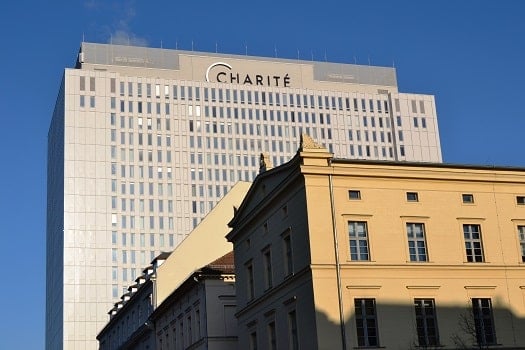
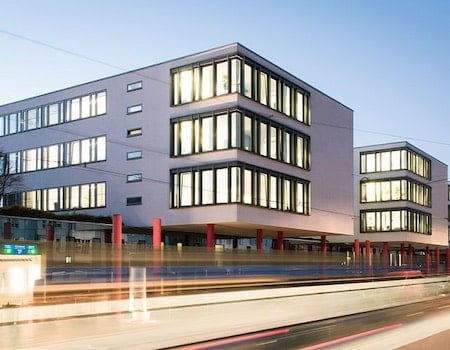
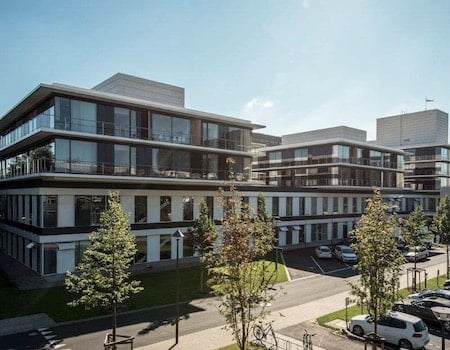
Recommended Hospitals for Heart Bypass Surgery (CABG)







Frequently Asked Questions Related to Heart Bypass Surgery (CABG) Cost in Germany
It attaches a healthy blood vessel above and below a narrowed coronary artery so that blood can flow around the blockage. This restores blood supply to the part of the heart muscle that was short of oxygen.
The NHS reports that the operation usually takes between 3 and 6 hours under general anaesthetic. Operations with more grafts generally take longer.
Most people stay in hospital for about a week after bypass surgery, starting with a day or two in intensive care. The exact stay depends on how quickly recovery progresses.
Surgeons usually take grafts from a vein in the leg or an artery in the chest wall. Up to four grafts may be needed, depending on how many arteries are narrowed.
A heart-lung bypass machine usually keeps blood and oxygen circulating while the grafts are attached. The surgical team will explain the technique planned for each patient.
The NHS advises avoiding driving for at least four weeks after CABG. Ask your cardiac team for advice based on your own recovery.
The cost of heart bypass surgery (CABG) in Germany typically ranges from $20,000 to $40,000 USD, depending on the hospital, city, and type of procedure.
Most people return to normal activities after about six weeks, and full recovery usually takes two to three months. Heavy lifting is usually avoided for three months.
Cardiac rehabilitation offers supervised exercise, advice on medicines and lifestyle, and emotional support after heart surgery. It helps people regain fitness and confidence at a safe pace.
Hospitals usually ask for recent angiogram results, echocardiogram reports and a summary of current medicines before sending a cost estimate. The final DRG bill is settled after discharge and can differ from the estimate.
 Chat