

What is the Cost of CyberKnife Treatment in India?
The CyberKnife treatment is a non-invasive radiation therapy used for cancerous (malignant) and non-cancerous (benign) tumours. It can be used as an alternative to surgery for patients with inoperable or surgically complex tumours.
The cost of CyberKnife treatment in India is affordable compared to other Western nations. For Indian patients, the cost may range from INR 3 lakhs to INR 4.5 lakhs or more, while it costs USD 6000 to USD 8000 for international patients. This cost includes specialists’ fees, medical consumables, and the number of sessions.
What is CyberKnife Treatment?
The CyberKnife is a highly advanced form of radiosurgery. It is a painless, non-invasive treatment. With the help of a robotic arm, it delivers high doses of precisely targeted radiation to destroy very minute tumours which cannot be operated through surgery. It is used for the treatment of conditions in the brain, head, neck, lungs, spine, liver, pancreas, kidney, and prostate.
The number of sessions typically ranges for different types of cancer:
Brain Tumours (e.g., meningiomas, acoustic neuromas, gliomas, metastases): 1-5 sessions
Spinal Tumours: 1-5 sessions
Lung Cancer: 3-5 sessions
Liver Cancer: 3-5 sessions
Pancreatic Cancer: 3-5 sessions
Prostate Cancer: 4-5 sessions
Head and Neck Cancers: 1-5 sessions
The number of CyberKnife sessions required for treatment depends on various factors, including the type and location of the cancer, its size, the patient's overall health, etc.
Our Services for CyberKnife in India
Transparent, professional support—without the hassles.
Book Doctor Appointment
Choose a specialist and schedule a convenient consultation.
Video or In-person Consultation
Consult remotely or meet your doctor directly at the hospital.
Compare Cost Estimates
Review transparent estimates from suitable hospitals.
Hospitalisation Support
Get coordinated assistance throughout your hospital stay.
 WhatsApp Us
Why Choose CyberKnife over Craniotomy and Gamma Knife Surgery?
Here's a table comparing CyberKnife, traditional brain surgery (craniotomy), and Gamma Knife in terms of various factors like procedure, invasiveness, and precision.
Factors | CyberKnife | Craniotomy | Gamma Knife |
Procedure | Robotic radiosurgery with real-time imaging and respiratory tracking | Surgical removal of part of the skull to access the brain | Stereotactic radiosurgery using focused gamma rays |
Invasiveness | Non-invasive | Highly invasive (requires opening the skull) | Minimally invasive (requires a head frame) |
Recovery Time | Minimal, usually same-day return to normal activities | Weeks to months, with significant recovery time | Minimal, usually same-day return to normal activities |
Treatment Duration | 1-5 sessions, each lasting 30-90 minutes | Several hours for surgery, plus hospital stay | Typically a single session, lasting a few hours |
Potential Risks | Minimal, includes mild fatigue and temporary swelling | Higher risk, including infection, bleeding, and complications from anaesthesia | Minimal, includes mild headache, nausea, and temporary swelling |
Health conditions | Brain tumours, spinal tumours, lung cancer, liver cancer, prostate cancer, pancreatic cancer, head & neck tumours, etc. | Primary and secondary brain tumours, brain abscesses, aneurysms, arteriovenous malformations (AVMs), traumatic brain injury, hydrocephalus, etc. | Brain metastases, primary brain tumours, trigeminal neuralgia, recurrent brain tumours, certain functional disorders, etc. |
CyberKnife offers significant advantages in being non-invasive with minimal recovery time. It provides precise targeting of tumours, making it an excellent option over craniotomy and Gamma Knife for many patients. These benefits highlight its effectiveness in treating various tumours while minimising patient discomfort and downtime.
What are the Factors Affecting CyberKnife Treatment Cost?
The cost of CyberKnife treatment in India is influenced by the type of procedure, hospital fees, pre-and post-procedure care, etc. Some of the factors influencing the cost are mentioned below:
Pre-treatment evaluation
Costs for imaging studies (such as MRI, or CT scan), and other diagnostic tests such as blood tests, required before treatment add on to the total cost of CyberKnife treatment.
Hospital location/city
The cost of CyberKnife sessions can be affected by the quality and facilities of the hospital where it is performed. Hospitals with advanced technology, experienced staff, and specialised units may charge more.
Tumour size and location
Larger or more complex tumours may require longer or more sessions which can add to the cost of CyberKnife treatment.
Type of tumour and its severity
Different tumours may have different treatment protocols affecting duration and complexity. Complex tumours may require longer, more costly treatment. Severe conditions may involve risks and complications, necessitating extensive care and high-tech equipment.
Number of sessions
Some conditions may be treated in 3-5 sessions, while others might require multiple sessions, directly affecting the overall cost. If the tumour relapses, then CyberKnife can be performed next year to treat the minute recurred tumour.
Post-treatment care
The cost of follow-up imaging to monitor the effectiveness of the treatment and any necessary rehabilitation or physiotherapy post-treatment influences the cost of the procedure.
Patients are encouraged to discuss these factors with their doctors to get a comprehensive understanding of the potential costs involved.
What are the Expenses for Pre and Post CyberKnife Sessions?
The costs associated with CyberKnife treatment in India can vary widely depending on the hospital, city, and specific patient needs. There are some pre-and post-surgical expenses included in the procedure, such as:
Pre-treatment expenses (Consultations, Blood tests, CT, MRI): INR 15,000 - INR 20,000 (USD 500 - USD 700)
Post-treatment expenses (Follow-up consultations, investigations, and medications): INR 4,000 - INR 5,000 (USD 200 - USD 300)
It is advisable to get a detailed cost estimate from the hospital before proceeding with the surgery to understand the specific expenses involved.
What are the Benefits of Choosing CyberKnife Treatment Despite the Cost?
CyberKnife is an effective radiation treatment option for cancer due to its ability to deliver highly concentrated doses of radiation, which offers a better chance of cure. This exceptional treatment option has the following advantages:
Convenience: Unlike traditional radiation, which is given in 40 sessions over 8-9 weeks, CyberKnife treatment requires 4-5 sessions. Since fewer treatments are required, patients also spend less time travelling to appointments.
Painless and non-invasive: CyberKnife does not inflict any pain or require invasive measures.
Frameless approach: Unlike traditional radiosurgery methods, the CyberKnife system does not require invasive head or body frames. This creates a more comfortable experience for patients and helps reduce anxiety and discomfort.
No anaesthesia required: Unlike conventional surgeries, CyberKnife treatments can be administered without the need for anaesthesia. This makes the entire process smoother and safer.
Outpatient procedure: CyberKnife treatments do not require prolonged hospital stays. Patients can receive treatment and return home on the same day, enhancing convenience and minimising disruption to their daily routines.
Minimal side effects: Since the treatment precisely plans radiation delivery to the affected part, less impact on the nearby organs ensures fewer side effects than other radiation therapies.
Faster recovery: As the therapy requires no anaesthesia or hospitalisation, it offers faster recovery. You can get back to your daily activities and routine without delay.
There can be different considerations depending on your age and lifestyle. It is always important to have thorough conversations with your doctors about the possible advantages and disadvantages.
What is Involved in the Recovery After CyberKnife Treatment?
Recovery after CyberKnife treatment generally involves a relatively straightforward and less intensive process compared to traditional surgery or other forms of radiation therapy. Some key aspects involved in the recovery period following CyberKnife treatment include the following:
Most patients can go home the same day since the treatment is non-invasive and does not require anaesthesia.
Maintaining a balanced diet can aid recovery.
Patients can return to their normal activities within a day or two.
Light activities are generally encouraged, but strenuous activities might be avoided for a few days.
Regular follow-up appointments will be scheduled to monitor the treatment's effectiveness.
Any concerning symptoms or side effects should be reported immediately to the doctor.
Regular imaging tests (MRI, CT scans) are conducted to monitor changes in the size and characteristics of the treated area.
Recovery after CyberKnife treatment is generally swift and involves minimal disruption to daily life. By adhering to follow-up schedules, monitoring symptoms, and maintaining open communication with your doctor, patients can effectively manage their recovery and optimise treatment outcomes.
Does Health Insurance Cover CyberKnife Treatment?
In India, health insurance policies cover almost all medical treatments. However, the extent of coverage and the specific terms can vary depending on the insurance provider and the policy details.
It is important to verify the specifics of your policy, as coverage typically includes expenses like hospital stay, surgeon's fees, and anaesthesia fees. Detailed understanding and active communication with your insurance provider can help ensure that you receive the maximum possible coverage for these surgeries.
Top Doctors in India
Recommended Doctors for CyberKnife







Dr. Rathna Devi
Senior Consultant
Radiation OncologistApollo Hospitals, Greams Road, Chennai








Top Hospitals in India
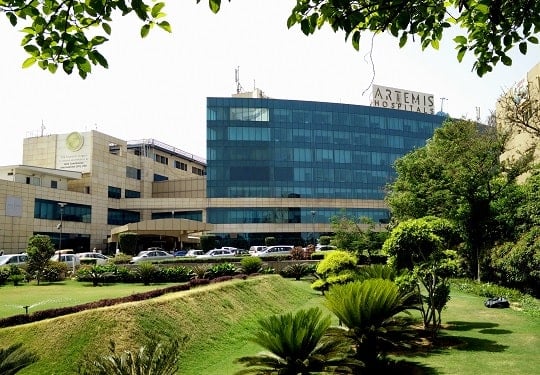
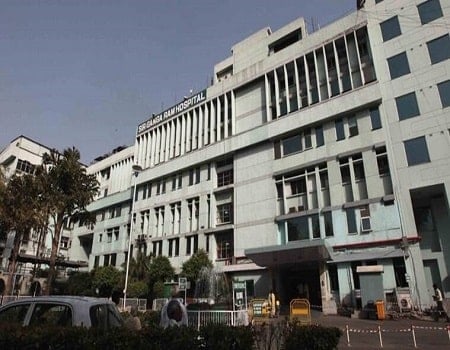
Recommended Hospitals for CyberKnife












Everything You Need to Know About CyberKnife: Q&A
Before the Procedure · 5 Questions
It is a non-invasive treatment for cancerous and non-cancerous tumors with the help of radiation therapy. It is used to treat conditions throughout the body, including the prostate, lung, brain, spine, head and neck, liver, pancreas, and kidney.
It is non-invasive, does not require a headframe or painful Immobilization device, and is able to reach areas of the body previously thought untreatable.
Yes, you can eat or drink before your treatment because it will not affect your treatment at all.
The CyberKnife System is based on radiation technology that has been proven for more than 30 years, and thousands of patients have received CyberKnife treatments worldwide.
Before your treatment, you will undergo a CT scan which helps in determining the shape, size, and location of the prostate. You will also go for an MRI scan to fully visualize the prostate.
During the Procedure · 5 Questions
Generally, each CyberKnife treatment lasts between 30 to 90 minutes. The number of treatments varies depending on the tumor size, location, and shape.
No anesthesia is required for the treatment because these sessions are completed on an outpatient basis.
CyberKnife has local control and effectiveness that is equivalent to surgery. However, due to its non-invasive nature, the risk of side effects is significantly lower with CyberKnife.
The Cyberknife always hits exactly the tumor - the healthy tissue is optimally protected. A precision robot accurately places the high dose of radiosurgical drugs from many directions in the tumor.
CyberKnife uses an approach called stereotactic body radiation therapy, delivering precise doses of radiation with extreme accuracy and accounting for a tumor or patient movement in real-time.
Post the Procedure · 5 Questions
Treatment with the CyberKnife System is a non-surgical and outpatient procedure that does not require hospitalization.
The majority of patients can continue normal activity during and immediately following treatment. The ones who have traditional prostate cancer surgery should limit normal activity for three to five weeks.
Almost all patients can drive after their CyberKnife treatment. However, with some types of cancer, driving may not be recommended due to strong pain medication or fatigue.
You should eat a variety of protein-rich foods that are low in fat, such as seafood, eggs, soy products, beans, etc.
Yes, you can do exercise but make sure to consult your doctor and explain the exercises you plan to do
 Chat
Chat