

What Is the Cost of Bone Cancer Treatment in Germany?
The cost of Bone Cancer treatment in Germany typically ranges from $18,000 to $70,000 USD, depending on the hospital, city, and type of procedure.
Primary bone cancer starts in the bone itself. Surgery and chemotherapy are the main treatments, with radiotherapy and targeted drugs for some types. In Germany, the total depends on:
- Surgery: removing the affected bone and replacing it with an implant or graft.
- Chemotherapy: before and after surgery.
- Radiotherapy: for some types, such as Ewing sarcoma.
- Physiotherapy: during recovery.
Cancer treatment costs depend on the stage and the treatments needed. A full course of care can cost more than this range, so ask what each estimate includes.
Bone Cancer Surgery
The NHS explains that surgery usually removes the affected section of bone, which is replaced with a metal implant or a bone graft. Amputation may be needed if the cancer has spread into surrounding tissue.
If cancer has spread to other parts of the body, such as the lungs, surgery may also be used to remove these areas (metastasectomy).
Our Services for Bone Cancer Treatment in Germany
Transparent, professional support—without the hassles.
Book Doctor Appointment
Choose a specialist and schedule a convenient consultation.
Video or In-person Consultation
Consult remotely or meet your doctor directly at the hospital.
Compare Cost Estimates
Review transparent estimates from suitable hospitals.
Hospitalisation Support
Get coordinated assistance throughout your hospital stay.
 WhatsApp Us
Chemotherapy, Radiotherapy and Recovery
Chemotherapy is given before and after surgery and is particularly effective for Ewing sarcoma. Radiotherapy is used for Ewing sarcoma, and for osteosarcoma or chondrosarcoma when surgery is not possible.
Physiotherapy helps people regain movement after surgery, and regular follow-up continues for years.
Bone Cancer Treatment in Germany
Bone cancer treatment usually lasts many months, combining chemotherapy and surgery, so German hospitals estimate each phase separately. International patients are usually treated in Germany as self-paying patients: the hospital reviews the medical reports, sends a cost estimate and asks for an advance payment before admission, then settles the final bill after discharge.
Germany's proton therapy centres, including the West German Proton Therapy Centre in Essen, treat many young patients, and the treating team decides whether proton therapy is suitable.
Top Doctors in Germany
Recommended Doctors for Bone Cancer Treatment


Top Hospitals in Germany
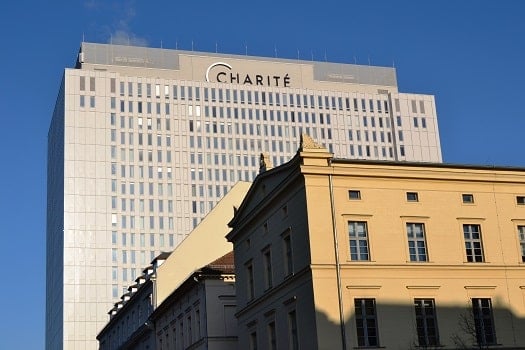
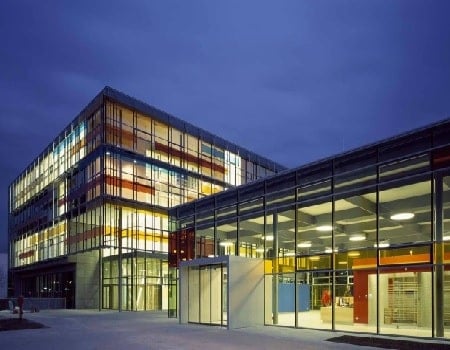
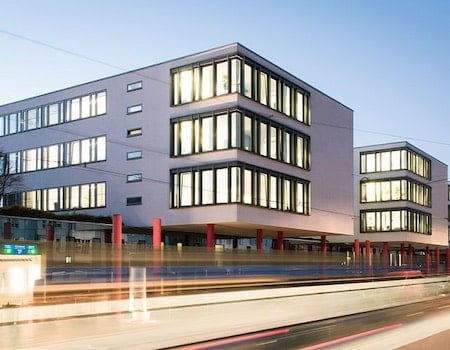
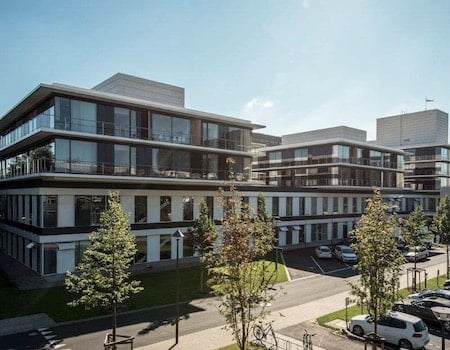
Recommended Hospitals for Bone Cancer Treatment





Frequently Asked Questions Related to Bone Cancer Treatment Cost in Germany
Primary bone cancer starts in the bone itself, unlike cancer that has spread to the bone from elsewhere. Osteosarcoma, Ewing sarcoma and chondrosarcoma are the main types.
Surgery and chemotherapy are the main treatments, according to the NHS. Radiotherapy and targeted drugs are used for some types.
No, most people have the affected bone replaced with a metal implant or bone graft. Amputation may be needed if the cancer has spread into surrounding tissue.
Chemotherapy before surgery shrinks the tumour and treats any cancer cells that may have spread. It is given again after surgery.
Radiotherapy is used for Ewing sarcoma and for osteosarcoma or chondrosarcoma when surgery is not possible. It may also relieve pain.
A metastasectomy is surgery to remove cancer that has spread, for example to the lungs. It may be used for some people with bone cancer.
The cost of Bone Cancer treatment in Germany typically ranges from $18,000 to $70,000 USD, depending on the hospital, city, and type of procedure.
Physiotherapy helps people regain strength and movement after bone surgery or amputation. It continues for months.
Regular follow-up continues for years after bone cancer treatment. It checks for any return and for late effects.
Germany has proton therapy centres, including one in Essen that treats many young patients. The treating team decides whether proton therapy suits the tumour.
 Chat