

What is Angioplasty Surgery Cost in India?
Coronary artery disease (CAD) is a prevalent heart condition and one of the significant causes of death worldwide. In this, arteries get blocked due to cholesterol plaque buildup, and consequently, the blood supply to the heart muscle is restricted. A solution to this heart condition is angioplasty. It is a minimally invasive treatment procedure performed to reopen blocked arteries and restore blood flow. It can be done with or without the application of a stent.
The average cost of angioplasty in India with one stent ranges between INR 200,000 and INR 3,00,000 for Indian patients. For international patients, the cost ranges between USD 4500 and USD 5500. This cost includes the type of stent , surgeon fees, anaesthesia charges, OT charges, medical consumables, and hospital stay for 3 days.
What is Angioplasty Surgery?
In the past decade, coronary heart disease (CAD) has appeared as a significant cause of death. With an estimated prevalence rate ranging between 1.6% to 7.4% in rural populations and from 1% to 13.2% in urban populations, it's becoming a matter of health concern. Some of the common symptoms associated with CAD are listed below.
Angina (chest pain)
Shortness of breath
Persistent fatigue
Heart palpitation
Nausea
Dizziness
In CAD, cholesterol and fat build-up (collectively referred to as plaques) in the coronary artery. This leads to blocked or interrupted blood flow in the heart. Sometimes, those deposits can break suddenly and form a clot that leads to a heart attack or stroke. This fatal outcome justifies the importance of immediate medical intervention.
To treat these conditions associated with blocked coronary arteries, a percutaneous coronary intervention (PCI) known as angioplasty is performed. It involves inserting a thin, flexible tube called a catheter into the blocked blood vessel. At the tip of the catheter, a deflated balloon is attached.
Once the catheter reaches the narrowed area of the blood vessel, the balloon is inflated to compress the plaque against the artery walls, thus widening the vessel and restoring blood flow.
In some cases, a stent, a small mesh tube, may be placed in the artery to help keep it open. After the procedure, the balloon is deflated, and the catheter is removed. However, the stent is kept in the same place to prevent restenosis.
Our Services for Angioplasty and Stent Placement in India
Transparent, professional support—without the hassles.
Book Doctor Appointment
Choose a specialist and schedule a convenient consultation.
Video or In-person Consultation
Consult remotely or meet your doctor directly at the hospital.
Compare Cost Estimates
Review transparent estimates from suitable hospitals.
Hospitalisation Support
Get coordinated assistance throughout your hospital stay.
 WhatsApp Us
What are the Types of Angioplasty Surgery?
Angioplasty typically focuses on restoring blood flow in arteries. It is often an emergency procedure during a heart attack. It is mainly influenced by risk factors such as increasing age, sex (more prevalent in women), diabetes, high blood pressure, and tobacco consumption.
Cardiac surgeons, guided by these factors, perform various forms of angioplasty, thereby influencing the overall cost of angioplasty surgery in India.
Balloon Angioplasty
It involves inflating a tiny balloon within the narrowed artery to widen it and restore blood flow. In advanced procedures, drug-eluting balloons (DEB) are used to deliver medication directly to the affected area. When inflated at the site of the blockage during angioplasty, the DEB releases the medication into the arterial wall. This drug inhibits the excessive growth of cells that contribute to restenosis.
Stent Placement
After balloon angioplasty, a small mesh tube called a stent is often inserted to support the artery and prevent it from narrowing again.
The tissues in the heart will start coating the stent like a layer of skin, and within 3-12 months, the stent will be fully covered by the skin. Based on their properties, stents can be classified as:
Bare metal stents (BMS): A stent is made of thin, uncoated (bare) metal wire that has been formed into a mesh-like tube.
Drug-eluting stents (DES): Similar to regular stents, DES are coated with medicines that prevent arterial narrowing that may occur after stent implantation.
Bioresorbable scaffold system (BRS): It functions as a temporary support structure for the affected artery. Once the blockage within the vessel is successfully treated and healed, this stent dissolves completely, leaving the artery free from any traces of the stent material.
Cutting Balloon Angioplasty
It uses a balloon with tiny blades to create longitudinal incisions and expand specific resistant plaques that are hard to push back.
Atherectomy
In this, a catheter is inserted by making a small incision. On its opposite end, a sharp blade, laser, or rotating device is connected. With the help of its opposite end, plaque is then scraped away, dissolved, or broken up without making a large incision.
All these angioplasty techniques provide cardiac surgeons with versatile tools to address a broad spectrum of arterial blockages and vascular conditions and immediately treat the patient.
What are the Key Factors That Affect the Angioplasty Surgery Cost in India?
Before angioplasty, a thorough consideration is necessary. Patients should gain insight into the financial aspects of angioplasty surgery and make informed decisions regarding their angioplasty in India.
Some of the factors that affect the cost of angioplasty surgery in India are listed below.
Type of Angioplasty
Different types of angioplasty procedures vary in complexity. Advanced techniques often require specialised equipment and materials, which can contribute to higher costs. This includes the cost of stents, balloons, catheters, and other devices used during the procedure.
Types of angioplasty | INR | USD |
|---|---|---|
Stent placement | 2,63,000 | 4500 |
Cutting Balloon Angioplasty | 3,80,000 | 6500 |
Atherectomy | 5,85,000 | 10000 |
Choice of Stent
The cost of the stent used during angioplasty varies based on factors such as the brand, material, and whether it's a drug-eluting stent or a bare-metal stent. Drug-eluting stents are generally more expensive.
Types of stent | INR | USD |
|---|---|---|
Bare metal stent | 10,500 | 200 |
Drug-eluting stent | 38,000 | 700 |
Hospital facilities and cardiac surgeon's expertise
Hospital's reputation and accreditation may impact the overall cost. Moreover, hospitals equipped with advanced amenities and renowned cardiac surgeons typically incur additional expenses. The cardiac surgeon with more experience ensures quality treatment and hence charges more.
Additional stay at hospital/ICU
In specific medical situations, the patient might need to extend their hospital or ICU stay for additional days to receive post-operative care. Thus, the additional hospital stay costs around INR 12,000 and INR 20,000 (USD 200 to USD 300) on a per day basis.
What are Pre-surgical and Post-surgical Expenses in Angioplasty Surgery?
Before angioplasty, cardiac surgeons require patients' health information, for which various examinations have to be performed. Even after the surgery, to monitor the health condition and avoid any complications, follow ups are required. This may further add up to the overall cost of coronary angioplasty in India.
Pre-procedural examination cost (complete blood count, electrocardiogram, echocardiogram, coronary angioplasty, CT scan, nuclear stress test, etc.): INR 15,000 to INR 20,000 (USD 250 to USD 300)
Post-procedural cost (follow-up consultations, antiplatelets, statins and other blood pressure medications): INR 3,000 to INR 4,000 (USD 50 to USD 100)
What should be Post-surgery Care after Angioplasty?
After angioplasty, it is crucial to prevent restenosis or narrowing of blood vessels. Cardiac surgeons recommend various measures to ensure the success of angioplasty, which are discussed below.
Medications
Cardiac surgeons employ some medications to prevent stent thrombosis (blood clot), to reduce inflammation and improve long-term outcomes for patients with coronary artery disease. If ignored, this blood clot and persistent inflammation may lead to some fatal consequences such as heart attack.
Cardiac rehabilitation
Many hospitals offer rehabilitation programs that provide exercise training and overall monitoring of health. This ensures faster recovery for patients under the guidance of the doctor.
Lifestyle changes:
In order to reduce further risks and heart complications, doctors advise the patients to adopt a healthy lifestyle such as:
Maintain a healthy diet
Maintain body weight
Take a good amount of sleep
Stop drinking
Quit smoking
Does Insurance Cover Angioplasty Surgery in India?
In India, insurance agencies cover various surgical procedures, including angioplasty surgery. When your cardiologist recommends angioplasty, your next step is to submit your doctor's prescription, investigation reports, and hospital admission papers to the insurance agency along with your policy papers. The insurance company will evaluate whether your claim meets the eligibility criteria and collaborate with the hospital to ensure that your medical expenses are covered in accordance with the terms of your policy.
Generally, health insurance policies may cover a portion or all of the expenses, including the cost of the stent implant, hospitalisation, surgeon fees, pre-surgery tests, and post-surgery medication and care.
Hence, it's also crucial to understand the insurance's coverage scope and affiliated hospital network. Otherwise, you may need to bear the remaining costs yourself or may opt for some alternative financial sources.
Top Doctors in India
Recommended Doctors for Angioplasty and Stent Placement















Top Hospitals in India
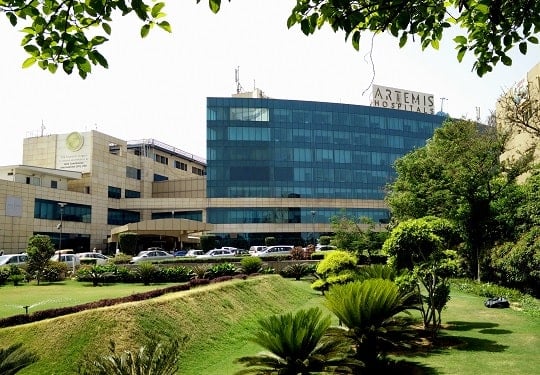
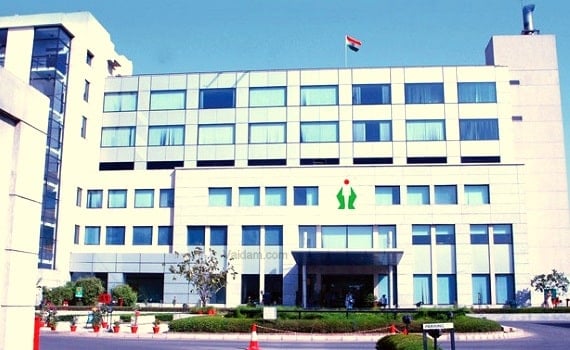
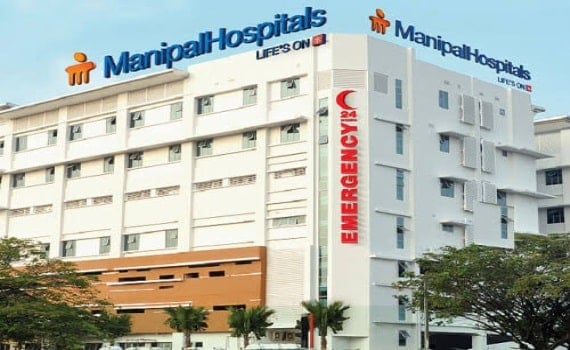
Recommended Hospitals for Angioplasty and Stent Placement


Frequently Asked Questions Related to Angioplasty and Stent Placement Cost in India
Before your procedure, you need to have some basic physical tests done including a chest X-ray, electrocardiogram, and complete blood profiling. The package typically includes the cost of the tests and you won’t have to pay anything extra.
After your stent placement, your doctor will give you medications such as ticagrelor, aspirin, or clopidogrel to decrease the possibility of blood clots on the stent. All the medicines that you consume at the hospital are covered in the package price. Medications taken for recovery at home are not covered in the package price.
There aren’t several post-treatment expenses after angioplasty and stent placement except for medications for pain-relieving, follow-up appointments with your doctor, and physiotherapy is required. The medicines are not covered in the package.
In a general case scenario, you only need to spend 12-24 hours at the hospital after your surgery and recuperate outside the hospital for a week. You will be able to return to normal life after a week. In case you had an emergency angioplasty due to a heart attack, It will take you several weeks or months to fully recover.
Yes, angioplasty and stent placement is a surgery that is covered in heart health insurance plans. Please check with your provider for a detailed plan that suits your needs best.
The most common surgical alternative to an angioplasty and stent placement is a coronary artery bypass graft (CABG). The surgery does involve post-operative pain and a longer recuperation time.
 Chat
Chat