

What is the Most Common Complication After Open Heart Surgery?
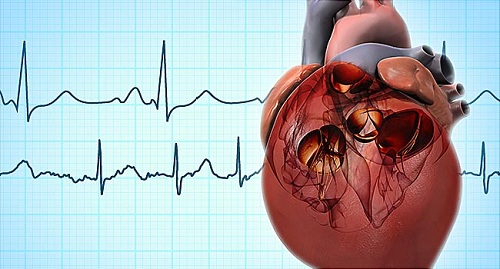
Any heart-related surgery in which the chest is opened by making an incision to gain visual access is known as open heart surgery. The surgery is either performed on the muscles, valves or arteries of the heart. These type of surgeries are performed with the conventional techniques and hence, also known as traditional heart surgery.
Each open heart surgery might be associated with several complications. The complications may be related to the procedure, the risk of anesthesia or other general complications related to surgery. These complications may also vary with the type of surgery and with the fact whether the cardiopulmonary bypass machine is being used. Nonetheless, the individual risks and complications related to surgery can only be analyzed by your surgeon by examining the current state of health, gender, age, the strength of the immune system, etc.
What are the complications of open heart surgery?
Some of the most common risks and complications associated with open heart surgery are listed and elaborated below. Many of these do not take place if the surgery is done using the minimally invasive technique.
- Abnormal Heart Rhythm - In some cases, the heart rate of the patient after the surgery can alter. This may need a temporary or a permanent internal pacemaker to be inserted inside the body.
- Clotting of the Blood - The blood clots may be formed inside the vessels that can travel through the bloodstream.
- Bleeding - There may be bleeding either at the incision site or the area of the heart where the surgery is performed.
- Ischemia - There may lack blood flow to the heart due to various factors such as an obstruction in the vessels, leading to ischemia. This can cause further damage to the heart.
- Stroke - The prime cause of stroke the formation of blood clots after the surgery.
- Blood loss - Blood transfusion might be needed in cases of severe blood loss.
- Cardiac Tamponade - Also known as pericardial tamponade, it is a life-threatening condition in which the pericardium (the outermost layer of the heart) gets filled with blood, making it difficult to function properly.
- Separation of Breastbone During Healing - The sternum may get separated due to which healing is delayed. Certain precautions need to be taken to prevent this separation and excessive stretching on the incision. These precautions are:
- Avoid lifting weights more than 5 to 8 pounds.
- Avoid pushing or pulling with the arms.
- Avoid trying to reach the back with the arms.
- Do not keep both arms overhead.
Measure To Ensure a Smooth Recovery
The doctors working in some of the best cardiac hospitals in India suggest the following precautions for a smooth healing process.
Taking Care of the Surgical Wound - It is highly imperative to keep the surgical wound area warm and dry. One must keep the hands clean before touching the area. If healing can be noticed without any signs of drainage, then the patient can start taking a shower but not more than 10 minutes with warm water. The incision site must not get wet. It should be regularly monitored and look out for any signs of infection such as,
- Increase in drainage and opening of the surgical wound
- Redness around the area
- Increased temperature of the skin surface in the area
- Fever
Pain Management - Following the pain management protocol not only keeps the patient relax but also reduces complications such as blood clots or pneumonia. It is common to feel pain in the muscles, throat, incision sites or even in the chest tubes. One must take the pain medications as prescribed by the doctors.
Sleep - Patients who have had open heart surgery often suffer from problems like insomnia. Having a sound sleep of nearly 8 hours is very important for recovery and healing. Some of the following steps can be followed to experience sound sleep.
- Taking the pain medication half an hour before sleeping.
- Pillows must be used to reduce any strain on the muscles.
- Avoid taking excessive caffeine mainly in the evenings.
Rehabilitation
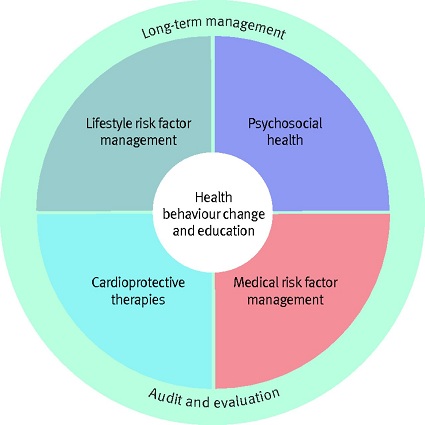
Rehabilitation does not only help in physical recuperation but also aids in reducing the risk factors such as stress, anxiety and depression.
Know More About World-class Hospitals in Different Countries:
Written by
Dr. Kavreen Arora
Vaidam Health · Updated 25 Sept 2026
Content meets the Vaidam Policy and is medically reviewed
Medically reviewed by
Dr. Bhawana Mittal Chat
Chat