

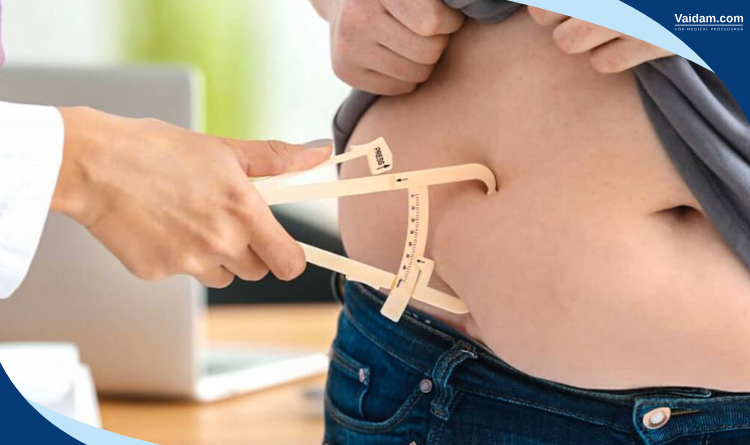
Obesity is not a cosmetic issue. It is a disease that is progressive, chronic, and fatal. - Dr. Michael Apovian (Obesity and nutrition specialist)
According to a recent study by the World Health Organization (WHO), over 650 million adults worldwide are obese, a number that continues to rise year after year. Obesity is a complex health issue that can lead to life-threatening conditions such as diabetes, heart disease, joint pain, and even certain cancers.
For many individuals struggling with severe obesity, traditional weight-loss methods like diet, exercise, and medication may not be enough. In such cases, Weight Loss Surgery offers a transformative solution.
In recent years, weight loss surgery has transformed the lives of millions worldwide. Known for its high success rates, these surgical procedures not only aid in shedding excess weight but also help combat obesity-related health issues.
Whether through minimally invasive techniques or advanced endoscopic procedures, weight loss surgery empowers individuals to regain control over their health and confidence.
What is Weight Loss Surgery?
Weight Loss Surgery or Bariatric Surgery includes a range of procedures designed to help individuals struggling with obesity lose weight. These surgeries work by either restricting food intake, reducing the amount of calories absorbed by the body, or both.
While bariatric surgery isn't a quick fix, it offers long-term, sustainable weight loss results when combined with a commitment to lifestyle changes such as healthier eating and regular physical activity.
Do You Know?
- Nearly 80% of people with Type 2 diabetes see their condition improve or even go into remission within a year after weight loss surgery.
- Women struggling with infertility due to obesity often find it easier to conceive naturally after the surgery.
- Weight loss surgery can also enhance memory and brain function by reducing inflammation caused by obesity.
Who Should Consider Weight Loss Surgery?
Weight loss surgery is typically recommended for individuals who meet the following criteria:
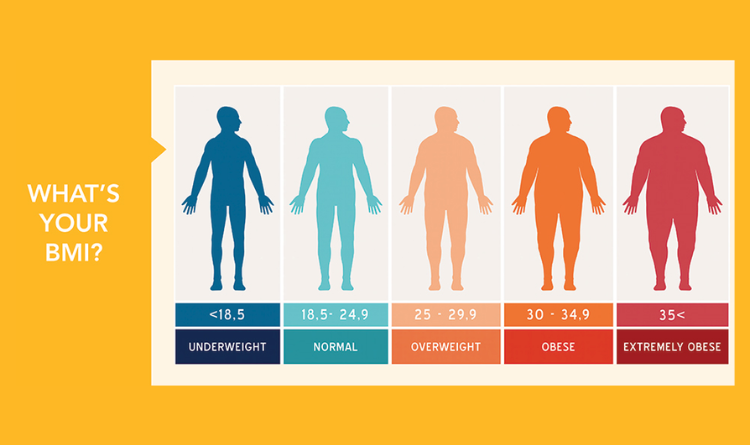
- Body Mass Index (BMI) of 40 or higher (severe obesity)
- BMI of 35 to 39.9, along with obesity-related health issues such as type 2 diabetes, high blood pressure, or sleep apnea
- Those who have tried diet and exercise but haven't had lasting success
Types of Weight Loss Surgery
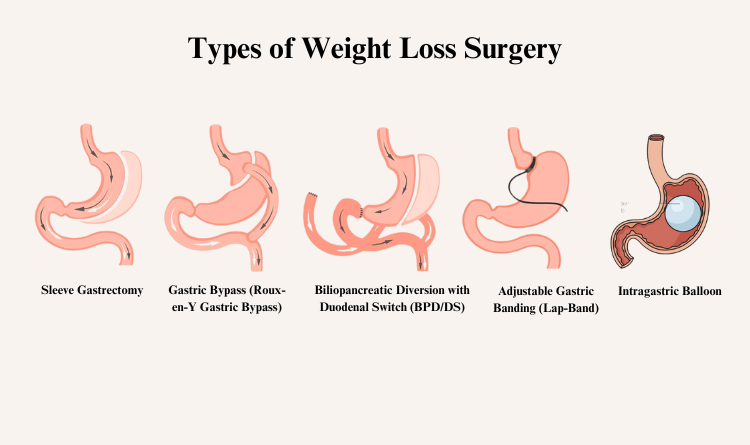
There are several types of bariatric surgery, each with its specific approach. Here are the most common ones:
1. Gastric Bypass (Roux-en-Y Gastric Bypass)
- What It Is: Gastric bypass is one of the most common and well-known weight loss surgeries. It involves creating a small pouch from the stomach and rerouting the small intestine to this new stomach pouch. This limits the amount of food a person can eat and reduces the number of calories absorbed by the body.
- When It's Done: This procedure is recommended for individuals with a BMI over 40 or those with a BMI between 35 and 39.9 who have health complications like type 2 diabetes.
2. Sleeve Gastrectomy
- What It Is: Sleeve gastrectomy involves removing a large portion of the stomach, leaving behind a smaller, sleeve-shaped stomach about the size of a banana. This reduces the stomach's capacity to hold food and significantly decreases hunger levels.
- When It's Done: It is commonly recommended for individuals with a BMI over 40 or a BMI of 35-39.9 with obesity-related health problems.
3. Adjustable Gastric Banding (Lap-Band)
- What It Is: Adjustable gastric banding involves placing a silicone band around the upper part of the stomach to create a small pouch. This limits the amount of food that can be consumed at one time. The band can be adjusted after surgery to control hunger.
- When It's Done: This surgery is often chosen by individuals with a BMI between 30 and 40 or those looking for a less invasive procedure.
4. Biliopancreatic Diversion with Duodenal Switch (BPD/DS)
- What It Is: This procedure involves two stages. First, a portion of the stomach is removed (similar to sleeve gastrectomy), followed by rerouting the intestines to limit nutrient absorption.
- When It's Done: It is often recommended for individuals with a BMI of 50 or higher.
5. Intragastric Balloon
- What It Is: An intragastric balloon is a non-surgical procedure in which a balloon is placed inside the stomach and inflated to reduce its capacity. This helps individuals feel full more quickly and eat less.
- When It's Done: It is often used for individuals with a BMI between 30 and 40 or as a short-term weight loss solution before more permanent surgery.
Why Choose Weight Loss Surgery in Thailand?
While many countries offer Bariatric Surgery, Thailand stands out as a top destination for affordable weight loss surgery. Over 10,000 weight loss surgeries are performed in Thailand annually, with patients from over 50 countries visiting for treatment.
But what makes Thailand so appealing?
- State-of-the-Art Medical Facilities: Thailand boasts some of the most advanced hospitals for weight loss surgery. Many hospitals are equipped with cutting-edge technology and adhere to international safety standards.
- Experienced Surgeons: The country is home to some of the best doctors for Weight Loss Surgery, with many internationally trained specialists who have years of experience in performing successful bariatric surgeries.
- Affordable Weight Loss Surgery: One of the main reasons people choose obesity surgery in Thailand is the cost. The Weight Loss Surgery cost in Thailand is significantly lower than in Western countries, making it an attractive option for medical tourists seeking affordable yet high-quality treatment.
- Comprehensive Care: Hospitals in Thailand offer comprehensive care from your first consultation to post-surgery recovery. You can expect assistance with travel, accommodation, and recovery to ensure a smooth and hassle-free experience.
Success Rates of Weight Loss Surgery in Thailand
Thailand's Weight Loss Surgery success rates are high, with many hospitals reporting over 90% success rates. This success is due to experienced surgeons, advanced technologies, and comprehensive pre-and post-operative care.
Patient Success Story
"After struggling with obesity for years, I underwent Bariatric Surgery in Thailand. Not only did I lose over 40 kg, but my diabetes also reversed completely. The decision changed my life!" – A satisfied patient from Australia.
What to Expect Before and After Weight Loss Surgery?
Before Surgery:
- Medical Check-up: You'll undergo tests and meet doctors to make sure you're healthy for surgery.
- Diet Changes: You might need to follow a special diet or lose some weight before surgery.
- Mental Health Check: A counsellor may check if you're emotionally ready for surgery.
During the Surgery:
- Procedure Duration: The surgery typically lasts 1 to 3 hours, depending on the type (e.g., gastric bypass or sleeve gastrectomy).
- Anaesthesia: General anaesthesia is used, and the procedure is closely monitored.
After Surgery:
- Hospital Stay: Most patients stay in the hospital for 1 to 3 days.
- Recovery Time: You can return to work in about 2-4 weeks.
- Full Recovery: It may take up to 6-12 months to fully heal and adjust.
- Post-Surgery Care: Follow your doctor's advice for the best results in weight loss and health improvements.
Benefits and Risks of Weight Loss Surgery
Benefits:
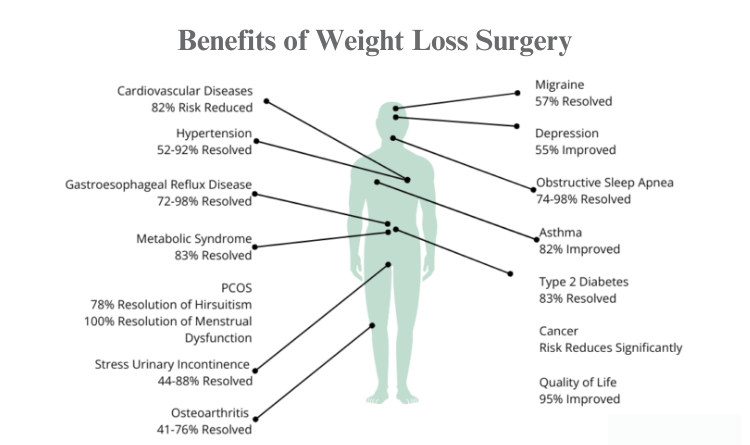
Weight loss surgery offers a variety of health improvements and life-changing results:
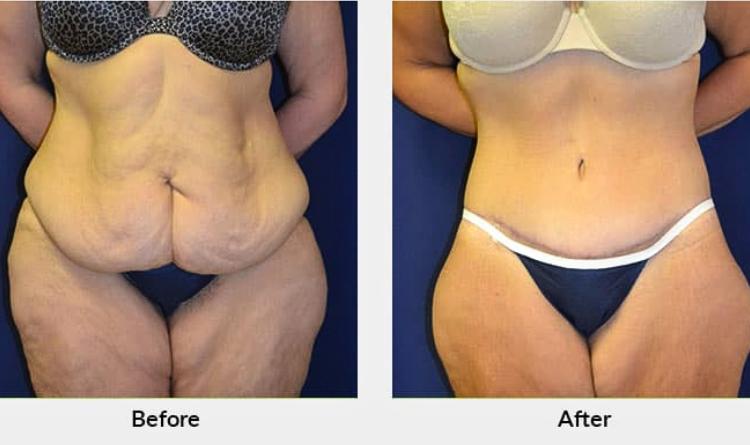
- Significant weight loss of 50-80% of excess weight
- Improves health conditions like diabetes and sleep apnea
- Better mobility and increased energy levels
- Long-lasting results with proper lifestyle changes
- Lower heart disease risk through weight reduction
Risks:
While weight loss surgery has many advantages, it is essential to be aware of potential risks like:
- Nutritional deficiencies from reduced intake
- Surgical complications like infection or bleeding
- Dumping syndrome due to sugary foods
- Regaining weight without lifestyle changes
- Irreversible procedures like sleeve gastrectomy
Key Tips to Minimise Risks After Weight Loss Surgery
- Follow Doctor's Orders: Stick to pre- and post-op instructions.
- Eat Nutritious Foods: Focus on vitamins, minerals, and balanced meals.
- Exercise Regularly: Stay active to maintain weight loss.
- Attend Follow-ups: Keep up with doctor appointments to catch complications early.
- Avoid Sugary Foods: Prevent dumping syndrome by cutting out sugar.
- Take Supplements: Ensure proper nutrition with prescribed vitamins.
- Hydrate Well: Drink plenty of water to aid digestion.
- Sleep Well: Get enough rest for better recovery.
- Manage Stress: Find healthy ways to cope and avoid emotional eating.
Cost of Weight Loss Surgery in Thailand
The Weight Loss Surgery cost in Thailand is a fraction of what it might cost in the US or Europe, ranging from $8,000 to $12,000, depending on the procedure. Here's a breakdown:
|
Procedure |
Estimated Cost (USD) |
|---|---|
|
Gastric Bypass |
$10,000 - $12,000 |
|
Sleeve Gastrectomy |
$8,000 - $10,000 |
|
Endoscopic Weight Loss Surgery |
$8,000 - $9,500 |
Note: These prices are subject to change, depending on the hospital and the complexity of the surgery. However, they are generally much more affordable compared to Western countries where the same procedures may cost upwards of USD 20,000.
Top Hospitals for Weight Loss Surgery in Thailand
Thailand is well-known for its excellent hospitals that provide advanced weight loss surgery at affordable prices and with high success rates. Here are some of the best hospitals for weight loss surgery in Thailand:
- Bumrungrad International Hospital: Renowned globally, Bumrungrad offers advanced weight loss surgeries such as gastric bypass and sleeve gastrectomy. The hospital boasts over 30 years of expertise and a success rate of over 90% for bariatric surgeries. Their multidisciplinary team ensures personalised care for every patient.
- Bangkok Hospital: With a dedicated weight loss surgery centre, Bangkok Hospital uses cutting-edge technology, such as laparoscopic bariatric surgery, resulting in minimal recovery times. It is also known for its world-class post-operative care, ensuring that patients maintain healthy long-term weight loss.
- Samitivej Sukhumvit Hospital: Samitivej specialises in minimally invasive surgeries, and its bariatric surgery success rates are among the highest in Thailand. It offers comprehensive counselling, post-surgery nutrition programs, and a holistic approach to weight loss.
- Vejthani Hospital: Known for its expertise in laparoscopic bariatric procedures, Vejthani Hospital provides excellent weight loss surgeries with a focus on patient comfort. With years of experience, they offer personalised treatment plans to help patients achieve long-term weight management.
- Praram 9 Hospital: Praram 9 is known for its commitment to providing patients with affordable yet high-quality bariatric care. The hospital's surgeons are skilled in minimally invasive techniques, which reduce risks and shorten recovery times.
For more information on the best hospitals for Weight Loss Surgery in Thailand, visit Vaidam's website.
Top Doctors for Weight Loss Surgery in Thailand
Bariatric surgeons in Thailand are highly skilled and internationally trained, offering personalised treatments for life-changing results. Here are some of the top doctors for weight loss surgery in Thailand:
- Dr. Apichart Thanapatcharoen: With over 41 years of experience, Dr. Thanapatcharoen practices at Samitivej Sukhumvit Hospital. He is an expert in laparoscopic and general surgeries and is known for using advanced minimally invasive techniques for effective and safe weight-loss procedures.
- Dr. Yongsun Wongwiwatseree: Dr. Wongwiwatseree brings 31+ years of expertise in laparoscopic weight-loss surgeries. He is recognised for delivering excellent outcomes while ensuring a smooth recovery process for his patients.
- Dr. Wannaporn Teerasopon: With over 26 years of experience specialising in bariatric and metabolic surgery, Dr. Teerasopon uses modern surgical techniques to ensure minimal recovery time and long-term results.
- Dr. Aranya Yantapant: With nearly 32 years of practice, Dr. Yantapant is appreciated for her personalised care and precision in performing weight-loss surgeries. She is well-regarded for prioritising patient safety and comfort.
To learn more about the best doctors for Weight Loss Surgery in Thailand, visit Vaidam's website.
How to Prepare for Weight Loss Surgery in Thailand?
Preparing for the treatment for weight loss in Thailand involves several key steps to ensure a smooth and successful experience. Here's how you can get ready:
1. Documents and Medical Records
- Medical History: Bring your complete medical records, including test results, previous surgeries, and details about your current health.
- Passport & Visa: Ensure your passport is valid for at least six months and apply for the appropriate visa to enter Thailand for medical purposes.
- Insurance: Check if your health insurance covers overseas treatment or if you need to arrange additional coverage for surgery and recovery.
2. Travel Arrangements
- Flights: Book your flight well in advance, considering the best routes and the proximity of the hospital to your accommodation.
- Accommodation: Choose accommodation close to the hospital for easy access during your recovery.
3. Pre-Treatment Consultation
- Medical Tests: Complete any necessary pre-surgery medical tests as advised by your surgeon.
- Dietary Preparation: Follow the specific diet or fasting instructions provided by your doctor before the surgery.
4. Post-Operative Care
-
Plan your recovery period: Ensure you have assistance for the first few days after surgery and a follow-up plan with your surgeon.
How Can Vaidam Help Choose the Best Weight Loss Surgery in Thailand?
Vaidam Health specialises in helping patients find the right doctor for weight loss surgery in Thailand.

At Vaidam Health, we assist you with the following:
- Choose the Best Doctor: Based on your health profile and specific needs.
- Arrange Hospital Visits: Coordinate your hospital appointments, consultations, and any necessary tests.
- Manage Logistics: From booking flights and accommodation to handling visas and transportation, Vaidam ensures everything is taken care of for a hassle-free experience.
With Vaidam's assistance, you can focus on your treatment while they handle the logistical aspects of your medical journey.
Start Your Weight Loss Journey in Thailand Today!
So, choosing Weight Loss Surgery in Thailand is more than just a medical decision—it's a life-changing step toward health, happiness, and renewed confidence. With affordable prices, world-class care, and a seamless medical tourism experience, Thailand is the ideal destination for transformative weight loss treatments.
Are you ready to reclaim your health? Contact Vaidam Health today to begin your journey toward a healthier, more fulfilling life. Let us guide you through every step, from choosing the best doctors for Weight Loss Surgery in Thailand to arranging travel and recovery care.
Frequently Asked Questions About Weight Loss Surgery
1. What is the minimum age for weight loss surgery in Thailand?
Most hospitals in Thailand recommend bariatric surgery for individuals aged 18 and above. Exceptions are considered for younger patients with severe obesity and related health risks.
2. Can weight loss surgery in Thailand address fertility issues?
Yes, many patients experience improved fertility after bariatric surgery due to weight loss and hormonal balance improvements. Discuss this with your doctor.
3. Do I need a medical visa for the treatment for weight loss in Thailand?
Yes, if you're travelling for medical treatment, a non-immigrant "O" or "M" visa is recommended. Hospitals or agencies like Vaidam can assist with documentation.
4. Are follow-up consultations included in the surgery package?
Most hospitals in Thailand offer follow-up consultations as part of the surgery package, but this may vary. Verify details with your selected hospital.
5. Can I find post-surgery support in Thailand?
Yes, many hospitals in Thailand offer ongoing support, including nutritional counselling, exercise programs, and support groups to help patients maintain their weight loss and adopt healthier lifestyles after surgery.



 Chat
Chat