

Urethral Stricture Treatment in India
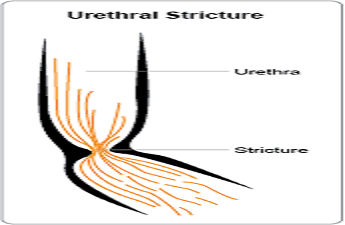
Urethral stricture is the narrowing of the urethra, a tube-like passage that carries the urine to the bladder. This can be due to a variety of medical conditions such as an inflammation or infection. This is more prevalent in males than the females.
Causes
There are various causes that can cause the urethral stricture. These include:
- Injury causing trauma to the urethra
- Repetitive urinary tract infections
- Any medical procedure that involves the insertion of an instrument into the urethra
- Long-term use of a catheter through the urethra to drain the bladder
- Any inflammatory conditions causing swelling in the urethra
- Kidney stone removal in the past
- Pelvic fracture
- A tumor located in close proximity to the urethra
- Infections caused by sexual transmissions such as gonorrhea or chlamydia
Signs indicating that you have urethral stricture
- Weak urinary stream
- Discomfort or pain during urination
- Urinary frequency i.e frequent urge to urinate
- Incomplete emptying of the bladder
- Incontinence i.e inability to control urination
- Urethral discharge
- Penile swelling and pain
- Presence of blood in the semen or urine
- Darkening of urine
How is Urethral Stricture Diagnosed?
After asking about the related signs and symptoms and taking a detailed medical history, the urologist usually refers the patient for the following investigations:
- Urinalysis to look out for any sign of infection, blood or cancerous cells in the urine.
- Urinary flow test to measure the strength and amount of the urinary stream.
- Urethral ultrasound to measure the length of the stricture
- Pelvic ultrasound to look out for the presence of urine in your bladder after urination
- Pelvic magnetic resonance imaging (MRI) to see any damage in the pelvic area.
- Retrograde urethrogram to check for a structural problem or injury of the urethra as well as the length and location of the stricture along the urethra
- Cystoscopy to evaluate the urethra and bladder using a thin, tube-like device fitted with a lens (cystoscope) to view these organs
Treatment Options for Urethral Stricture
It becomes obligatory for the patient to get the treatment done. An untreated stricture can lead to urinary or testicular infectors and stones. The increased risk of urinary retention may lead to enlargement of the bladder and kidney related disorders.
Depending upon the extent of the blockage or scarring of the tissue, the treatment choice includes:
- Dilation - manual enlargement of the stricture with gradual stretching.
- Urethrotomy - This involves cutting down of the stricture with LASER or a knife through a scope.
- Open Surgery - This involves surgical removal of the stricture associated with reconstruction with the help of grafts.
Open repair surgery or urethroplasty
Before the procedure
All the required investigations and physical examinations are done sometime before the surgery. The procedure is either performed under local anesthesia in the office or in the operation theatre under general anesthesia. This depends on the medical condition of the patient.
During the procedure
After entirely anesthetizing the area, the surgeon removes the stricture with the help of the surgical instruments. This is followed by joining together of healthy sides.
If the urethral stricture is too long, the stricture is removed and replaced with a flap of graft tissue. This leads to an increase in the size of the urethra, facilitation the flow of urine without any difficulty.
To allow the tissues to heal and adapt into a tube-like structure, a catheter is left in the urethra for some time. The duration of catheter placement varies with the extent, the location of the stricture, and the number of stages in which the procedure was performed.
After the surgery
This is usually a day-care procedure and the patient is discharged the same day. Rarely in critical condition, the patient may be needed to discharge the following day.
The catheter remains in the urethra for at least 2 to 3 weeks after the surgery.
Recovery After the Surgery
Usually, the recovery period involves the catheter being placed in the urethra for healing and facilitation of urination. Most the time, the duration is approximately 72 hours. However, it depends upon the procedure, the preference of the surgeon, and the overall health status of the patient.
It is essential to have a regular follow-up with the surgeon after the surgery, for better healing and avoid complications such as the development of the fistula, recurrent stricture, and diverticulum (outpouching of the urethra) and many more.
Other than this, the required medications prescribed by the doctor and counseling is provided for lifestyle changes that are needed.
The best urologists in India ensure complete healing and success of the surgery with prolonged followups and detailed counseling.
The Success Rate of the Surgery
The success rate of the surgery is fairly high. Some of the best urology hospitals in India conduct the surgery about nearly 80 to 90 percent with permanent relief from urethral stricture. Moreover, the hospitals in India perform the surgeries at a very nominal cost.
Written by
Dr. Kavreen Arora
Vaidam Health · Updated 25 Sept 2026
Content meets the Vaidam Policy and is medically reviewed

Medically reviewed by
Dr. Bhawana Mittal Chat
Chat