

Understanding Ventricular Septal Defect (VSD) Treatment in India
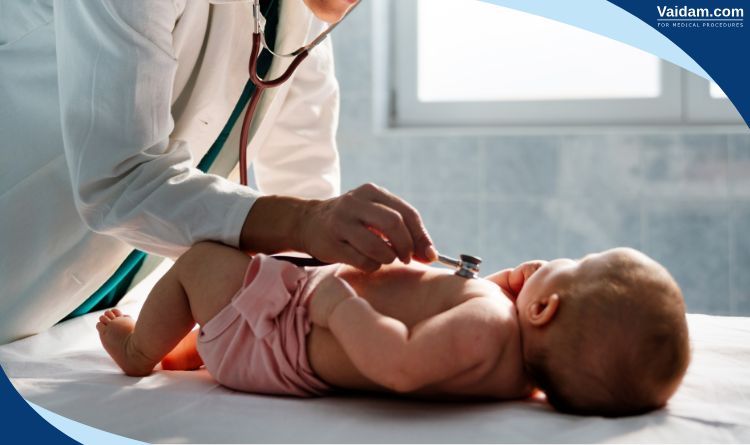
While convenient, our modern living habits sometimes lead to behaviours that increase the risk of cardiovascular and other diseases.
The World Health Foundation states that nearly 80 percent of cardiovascular diseases can be prevented.
Among widely occurring heart problems, ventricular septal defect, a type of structural heart disorder, accounts for nearly 30% of the total cases of congenital heart diseases, with significant implications for paediatric health and early intervention efforts.
With continuous innovations and stronger healthcare infrastructure, India has made significant advancements in delivering quality cardiac care. Cardiac surgery hospitals in India receive national as well as international patients.
Around 3,00,000 heart surgeries are performed in India every year, which includes open-heart and robotic surgeries. Other treatment pathways range from diuretics, ACE inhibitors to catheter-based interventions.
This blog comprehensively highlights the best approaches for heart treatment and explores why India is becoming a leading destination for cardiac surgeries.
What is a Ventricular Septal Defect?
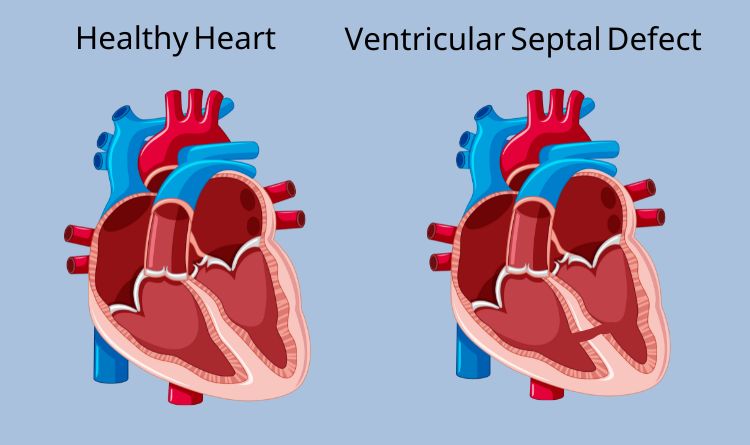
Ventricular Septal Defect is an abnormal opening in the ventricular septum, the wall separating the left and right ventricles (lower chambers) of the heart. A ventricular septal defect can be present at birth or acquired.
Congenital VSDs form 20% of the total congenital heart disease cases, whereas acquired VSDs are uncommon and occur due to factors such as trauma, infection, or heart attack.
- VSD accounts for approximately 20-30% of all congenital heart defects, making it the most common type of CHD worldwide.
- While prevalence differs by region and population, VSDs occur in about 2 to 3 out of 1,000 live births globally.
- 25-40% of patients with Down syndrome have a congenital heart defect, with VSD being the most common.
VSD changes the blood flow patterns in the body. The blood flows from the left ventricle to the right ventricle and into the lungs.
This extra blood going to the lungs causes an overload of work on the heart and lungs. It can cause complications like:
- Congestive heart failure
- Pulmonary hypertension
- Arrhythmia
- Stroke, if not repaired
Symptoms of VSD are:
- Heart murmur
- Breathing difficulties
- Sweating and fatigue
- Frequent respiratory infections
- Poor weight gain or delayed development of infants
- Cyanosis (bluish tint around lips, hand, and feet)
- Swelling in the abdomen or legs
Types of VSD
- Muscular VSD is present at the apical, mid-muscular, or anterior muscular part of the septum.
- Perimembranous VSD is found in the membranous portion of the septum near the heart valves.
- Inlet VSD, also associated with atrioventricular septal defect, is located near the tricuspid and mitral valves in the inlet portion of the septum.
- Outlet VSD is present near the pulmonary and aortic valves at the outflow tract of the ventricles.
How is a Ventricular Septal Defect Diagnosed?
A precise diagnosis of the size, location, and impact of the defect on the heart is paramount to address the condition in a comprehensive manner.
Here are the standard diagnostic tools and approaches for diagnosing a VSD:
- Physical examination: The doctor observes the blood pressure, temperature, and breathing pattern of the patient to detect heart murmurs.
- Chest X-ray: Used to check the size of the heart or signs of fluid in the lungs.
- Magnetic Resonance Imaging (MRI): It offers a detailed and non-invasive view of the heart's anatomy and function.
- Pulse Oximetry: This procedure evaluates oxygen levels in the blood.
- Electrocardiogram (ECG): It records the heart's electrical activity, identifies irregular heart rhythm and signs of heart enlargement.
- Echocardiogram: This allows the doctors to visualise the defect, measure its size, and assess blood flow between the ventricles. It also helps in evaluating the heart function and any related complications.
- Cardiac Catheterisation: A catheter is inserted through a blood vessel and guided to the heart to evaluate heart structure, pressures, and blood flow.
Approaches for VSD Treatment in India
India's low-cost healthcare makes it an attractive destination for international patients seeking high quality VSD treatment at a fraction of the cost, without compromising patient safety and outcomes.
Small VSDs and, in some cases, medium VSDs do not require any medical or surgical treatment. Approximately 75% of small VSDs close on their own within the first two years of life without medical intervention.
However, if the ventricular septal defect does not close on its own, then the treatment is planned according to the size of the heart hole, its symptoms, and the general health of the patient.
In India, Ventricular Septal Defect (VSD) treatment is supported by a range of options that cater to both the paediatric and adult populations, such as:
1. Medicines
Medications that could be used to control symptoms of VSD include:
- Diuretics to reduce fluid accumulation
- Beta-blockers to control heart rate
- ACE inhibitors to bring down the heart's workload and alleviate symptoms
2. Catheter-Based Procedures
Minimally invasive procedures, such as transcatheter device closure, are used for VSDs that are not too large or located in specific areas of the septum.
A closure device (occluder) is inserted in the heart using a catheter through the blood vessel. The occluder consists of a mesh framework coated with a synthetic material and is used to plug the hole.
Many trusted hospitals in India, especially in major cities, offer this procedure at lower costs.
3. Open-Heart Surgery
Open heart surgery is the most preferred procedure for treating VSDs. It requires a heart-lung machine and is performed by making an incision on the chest.
The cardiac surgeon either patches or stitches the hole. If the hole is small, it is simply stitched shut. If the hole is large, a patch of synthetic material is used to close the gap.
This is a widely practised treatment in India, offered by many leading hospitals equipped with state-of-the-art facilities and experienced cardiothoracic surgeons.
4. Robot-Assisted Surgery
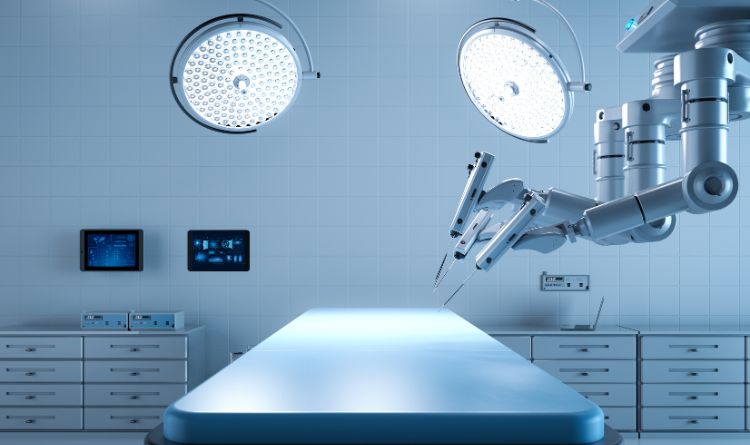
The robotic surgery is gaining significance as a pathway to cure VSD. It is a minimally invasive procedure that offers reduced pain and scarring, less blood loss, and quicker recovery.
The surgeon directs the robotic system using a console. The system provides high definition visualisation of the heart and real time feedback to the surgeon, which makes the surgery more flexible and precise.
Top hospitals in India house advanced robotic systems for VSD treatment which is used based on the specific case and overall health of the patient.
6. Hybrid Procedures
Some centres in India are adopting hybrid approaches that combine surgical and catheter-based techniques for complex or hard-to-access VSDs. This option allows for flexibility and precision in treatment.
Thanks to India's world-class facilities, affordable medical technology, and highly skilled cardiac surgeons and doctors, it has become one of the most preferred medical tourism destinations for heart surgeries.
The success rate of VSD surgical repair is high, reported at 92% to 98%, with minimal complications when performed by experienced surgeons.
The approach to VSD care in India emphasises not just cutting-edge interventions but also comprehensive support throughout the entire patient journey.
Cost of Ventricular Septal Defect (VSD) Treatment in India
The cost of VSD closure surgery in India is guided by:
- Type of VSD
- Pre-surgery tests
- Hospital and doctor expenses
- Duration of stay in the hospital
- Post-operative rehabilitation
- Medications
The catheter based procedures or device closures in India costs between INR 1,50,000 to INR 3,00,000 ($4,000 to $5,000 for international patients).
The open-heart surgery for VSD treatment in India costs between INR 2,50,000 to INR 5,00,000 ($4,000 to $6,000 for international patients).
The robotic surgery for VSD treatment in India costs within INR 2,80,000 to INR 3,95,000 ($5,000 to $7,000 for international patients).
Preparing for Ventricular Septal Defect (VSD) Treatment in India
Before VSD Surgery
- A cardiologist conducts the medical diagnosis by analysing the size and location of the VSD, overall heart health and any related conditions.
- A discussion of the patient's medical history, risks and benefits of the surgery and recovery expectations is done to ensure readiness.
- The patient is admitted to the hospital 1-2 days before the procedure. Routine pre-surgery processes include checking vital signs, blood tests, bowel preparation and antibiotics administration.
During VSD Surgery
- The patient is given general anaesthesia to conduct a pain-free procedure. A breathing tube is placed and the patient is connected to a heart-lung device that maintains blood circulation while the heart is stopped temporarily.
- The VSD is closed using a patch or stitches during the surgery. The incision is closed using sutures and sterile dressings are applied.
- In catheter insertion, the heart is accessed using a catheter through the bloodstream. A surgical mesh is placed over the hole and with time it merges with the heart tissue, closing the VSD permanently.
- The patient is closely monitored in the operating room as they are transitioned away from the heart-lung machine. Later, the patient is transferred to the ICU for further observation.
After VSD Surgery
- The patient stays in the ICU for 1-2 days where monitoring of vital signs, pain management, breathing support and infection control are prioritised.
- They are taken to the general ward after regaining strength. During this phase, physiotherapy, breathing exercises and light activity are encouraged to promote recovery. Most patients stay in the hospital for about 4-7 days based on their progress.
- Regular follow-ups are scheduled after the patient is discharged to monitor recovery and cardiac function. They receive guidance on wound care, diet, medications and any lifestyle changes. Long-term follow-ups can include periodic ECGs and other tests to ensure no recurrence of the defect and complete heart health.
I came to India for my 5-months-old grandson Sajjad, who had a hole in his heart. Vaidam Health facilitated my trip very smoothly. The surgery went successfully and Sajjad is recovering well. Thanks to the team and the hospital for the support.
Nadhim, Sajjad’s Grandfather, Iraq
Best Hospitals for Ventricular Septal Defect (VSD) Treatment in India
India is known for having excellent hospitals that offer comprehensive VSD treatment. These centres utilise advanced diagnostic and surgical techniques as well as provide postoperative rehabilitation.
These NABH and JCI accredited hospitals are known for securing a high standard of clinical expertise and patient outcomes in handling heart conditions like VSD.
1. Max Super Speciality Hospital, Saket, New Delhi
A renowned hospital established in 2006 in New Delhi, it is known for using the latest technology to conduct patient-friendly VSD treatment using non-invasive and interventional cardiology, electrophysiology, and cardiothoracic surgery.
2. Escorts Heart Institute, New Delhi
Established in 1988, this hospital is known for its pioneering achievements in cardiac care. It holds several prestigious accolades for its specialisation. FEHI has conducted over 6,72,000 cardiac procedures, including 18,020 congenital heart surgeries to date.
3. Marengo Asia Hospitals, Faridabad
This hospital was established in 2007 as QRG Healthcity (former). It also has an advanced centre of excellence in cardiology and specialises in treating coronary heart disease, arrhythmias, and congenital heart diseases.
4. Kokilaben Dhirubhai Ambani Hospital, Mumbai
Launched in 2008, this renowned multi speciality hospital is the only hospital to have a full time specialist system in Mumbai. It has a Centre of Cardiac Sciences that has performed more than 6,200 heart surgeries to date.
Established in 2007, it is a premier hospital that has an Artemis Heart Centre having cath labs, endovascular operating suites, and cardiac rehabilitation centres. It has conducted over 30,000 successful surgeries to date.
Best Doctors for Ventricular Septal Defect (VSD) Treatment in India
Indian doctors are highly sought after globally due to their rigorous training, diverse clinical experience, and high-quality care at cost-effective rates. Below you can find a list of some of the most well-known cardiac surgeons in India.
He is a renowned cardiac surgeon in India with over 52 years of experience. Dr. Mishra has performed more than 14,500 open-heart and robotic surgeries. He is an internationally trained specialist with expertise in minimally invasive cardiac procedures, robotic surgery, redo surgery, and heart bypass.
With nearly 46 years of experience, Dr. Krishna S. Iyer specialises in treating congenital heart diseases, including atrial and ventricular septal defects. He has conducted over 10,000 cardiac surgeries on infants, children, and adults.
He is a highly skilled paediatric cardiologist with more than 30 years of experience. He has conducted 12000+ paediatric and congenital heart surgeries. His areas of medical interest are complex heart defects, PDA closures, and valve repairs.
Garnering more than 44 years of expertise, Dr. Smita is a prominent paediatric cardiologist in New Delhi, India. She is highly skilled in treating congenital heart abnormalities, Kawasaki disease, rheumatic heart diseases, ventricular and atrial septal defects, congenital valve problems, arrhythmias, etc.
He is a proficient paediatric cardiologist with over 43 years of vast experience. He has successfully performed more than 8,500 transesophageal and intraoperative echocardiography, cardiac catheterisations, and mitral balloon valvuloplasties. He is highly skilled in paediatric cardiac surgery, paediatric heart transplant, and aortic aneurysm surgery.
How can Vaidam help you navigate Ventricular Septal Defect (VSD) treatment in India?
As a helping hand in your healthcare journey, Vaidam Health ensures that all your medical needs are efficiently met, right from making the decision to undergo VSD treatment in India till you reach home after the procedure.
We can help you with:
- Get customised health packages according to your specific needs.
- A detailed list of the best hospitals and doctors based on their specialities.
- A complete outline that will include available treatment options, what to expect during and after the surgery, patient experiences, and costs estimates.
- Preparing for medical visa and other travel documents as well as airport transfers.
- Finding affordable and convenient accommodation and food options during your stay in India.
- Language translation and interpretation services to ensure clear and effective communication throughout the treatment.
Where to begin your Ventricular Septal Defect (VSD) treatment journey?
As a first step, you can start by consulting an experienced doctor who could determine the type, size, and location of the defect.
After knowing about the condition and choosing to come to India for VSD treatment, you can collect your travel and medical history documents to ensure seamless arrival.
Ensure that you properly follow the guidance of a medical expert post-treatment after you reach home.
A Vaidam Health case manager will be with you at every step of the way!
Frequently Asked Questions about Ventricular Septal Defect (VSD) treatment in India
What are the risk factors associated with VSD surgery in India?
Some of the risk factors linked to VSD treatment may include bleeding, infection, arrhythmias, residual VSD, heart block, and complications related to anaesthesia.
These risks can vary according to the patient's age, overall health, and defect complexity.
What are the preparations I need to make before coming for VSD treatment in India?
Before proceeding for VSD treatment abroad, you should ensure that your medical records and test results are ready, along with a government approved ID proof. International patients should also complete documents for medical visas and have a mandatory supporting letter from the treating doctor or hospital.
How long does the VSD treatment in India last?
The duration of a ventricular septal defect (VSD) surgery typically ranges from 3 to 5 hours, depending on the size and location of the defect, complexity of the heart condition, approach used, and patient's response during surgery. The complete treatment may take around 10 days to 2 weeks.
How long would I have to stay in the hospital after the surgery?
Patients usually stay in the hospital for about 4-7 days, including time in the ICU for close monitoring post-surgery. Outside hospital stays in India can extend up to two weeks for follow-ups and monitoring.
What is the survival rate after VSD surgery?
The survival rate after VSD surgery depends upon the size of the defect and age of the patient. Reports and studies from prominent hospitals indicate 87% - 98% survival rate after surgery, with younger patients having higher survival probability.
Written by

Aastha Upadhyay
Vaidam Health · Updated 02 Dec 2024
I am Aastha, a medical content writer with a Master's degree in Biostatistics. Whether creating articles, blogs, or patient-centric guides, I strive to write well-researched and accessible content that informs and educates diverse audiences.
Content meets the Vaidam Policy and is medically reviewed
 Chat
Chat