

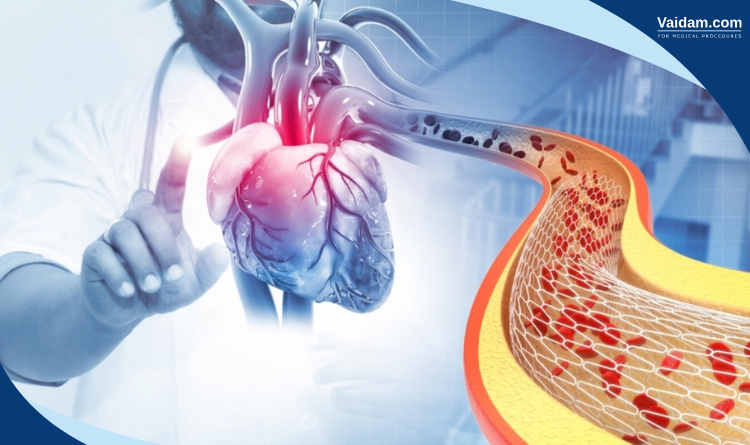
When we think of heart problems, most of us imagine sudden chest pain or a dramatic heart attack. However, the truth is that the body often sends silent signals long before a crisis occurs. These are the silent signs of a blocked artery, subtle warnings that blood vessels are narrowing and the heart or brain isn’t getting enough oxygen-rich blood.
Many people mistake these symptoms for everyday issues like stress, tiredness, or aging. By the time a blocked artery is finally diagnosed, the condition may already be serious. That’s why knowing the early signs of blocked arteries can help protect health before it’s too late.
In this article, we’ll uncover the silent signs of blocked arteries, how to recognize them early, the major risk factors, the key diagnostic tests, and when it’s time to consult a doctor to prevent serious complications.
Why Blocked Arteries Can Be “Silent”?
Arteries are like pipelines carrying blood to every organ in the body. Over time, fatty deposits called plaque can stick to the artery walls. This buildup, known as atherosclerosis, makes the arteries stiff and narrow, reducing blood flow.
At first, the body cleverly compensates by rerouting blood through smaller vessels. That’s why one may not feel anything obvious in the early stages. But as the narrowing worsens, the signs of clogged arteries begin to appear slowly, subtly, and are often ignored.
Silent Signs of Blocked Arteries
Blocked arteries can show up in different ways depending on which part of the body is affected. Some symptoms may seem minor, but they should not be ignored:
1. Persistent Fatigue
Ongoing tiredness that does not improve with rest may signal poor circulation. When arteries are blocked, the muscles and organs receive less oxygen, leading to constant fatigue.
2. Shortness of Breath
Difficulty breathing during light activity, climbing stairs, or even while resting can indicate restricted blood flow to the heart. This is often an early sign of heart artery blockage.
3. Chest Pressure or Discomfort
A feeling of heaviness, tightness, or burning in the chest is called angina. It occurs when the heart muscle does not receive enough blood. The discomfort may also spread to the arms, neck, jaw, or back.
4. Cold Hands and Feet
Blocked arteries in the arms or legs reduce circulation, making the skin feel cold, pale, or tingly. This condition is known as peripheral artery disease (PAD).
5. Numbness, Weakness, or Vision Problems
When the carotid arteries in the neck are blocked, the brain may not receive enough blood. This can cause sudden weakness, numbness, blurred vision, or speech difficulties, warning signs of a possible stroke.
6. Poor Healing of Wounds
If cuts, sores, or small injuries, especially on the legs or feet, take unusually long to heal, it may point to poor blood circulation. Blocked arteries limit the supply of oxygen and nutrients needed for tissue repair, making recovery slower than normal. This can also increase the risk of infections.
Warning Signs of Heart Blockage
When the arteries supplying the heart (coronary arteries) are blocked, symptoms may include:
- Frequent chest pain or discomfort (especially during activity)
- Unusual sweating
- Shortness of breath even when lying down
- Irregular heartbeat or palpitations
- Severe tiredness lasting days or weeks
If you notice two or more of these warning signs of heart blockage, seek medical help immediately.
Who Is Most at Risk?
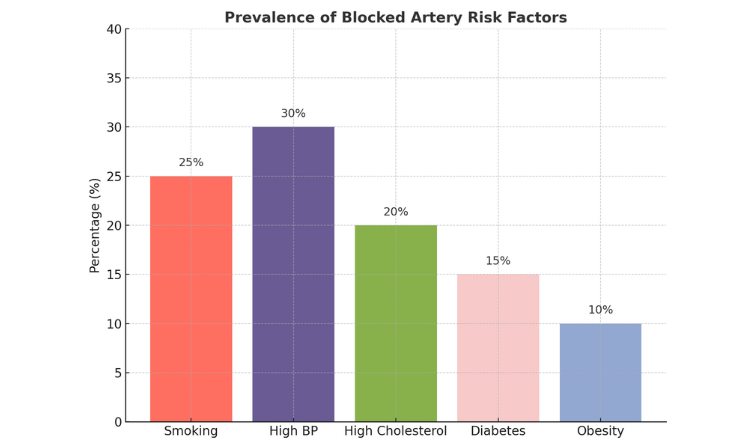
Knowing risk factors for blocked arteries is just as important as knowing the symptoms. The main factors include:
- Smoking
- High blood pressure
- High cholesterol (especially LDL or “bad” cholesterol)
- Diabetes
- Obesity
- Lack of exercise
- Family history of heart disease
- Older age
If you match several of these factors, your risk of artery blockage is higher, and you need regular health checkups.
Tests for Diagnosing Blocked Arteries
A variety of tools are used to find out if your arteries are narrowing. Common tests for diagnosing blocked arteries include:
- Electrocardiogram (ECG/EKG): Detects heart rhythm changes.
- Stress Test: Shows how the heart responds to activity.
- Echocardiogram: Uses ultrasound to examine heart function.
- CT Angiography: Visualizes arteries in detail.
- Coronary Angiogram: Gold standard for locating blockages.
- Doppler Ultrasound: Checks circulation in arms and legs.
- Blood Tests: Checks cholesterol, triglycerides, and inflammation markers.
If you have suspicious symptoms, the doctor will usually start with non-invasive tests before moving to more advanced scans.
When Should You See a Doctor?
Don’t wait until symptoms become severe. See your doctor if you experience:
- Chest discomfort or unusual pressure
- Shortness of breath without exertion
- Constant tiredness
- Cold, numb, or painful legs and feet
- Any sudden weakness, vision loss, or speech difficulty
These may not always mean a blocked artery, but they’re serious enough to get checked. Early diagnosis can prevent major complications like a heart attack or stroke.
Final Thoughts
Blocked arteries are often called a “silent killer” for a reason. The silent signs of blocked arteries, like fatigue, shortness of breath, or cold extremities, are easy to dismiss, but ignoring them can cost you your health.
By knowing the symptoms of blocked arteries, understanding your risk factors for blocked arteries, you can take control of your heart health. Most importantly, adopting habits that support the natural prevention of clogged arteries, such as healthy eating, exercise, quitting smoking, and stress management, can keep your arteries strong for years to come.
Remember the body often whispers before it screams. Don’t ignore those whispers. If you listen and act early, you give yourself the best chance at a long, healthy life.



 Chat
Chat