

Patient Details
Name: Mrs. Nane Winion Tomala
Age: 60 Years
Gender: Female
Country of Origin: Papua New Guinea
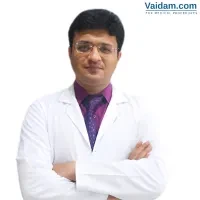
Doctor: Dr. Varun Bansal
Hospital: Indraprastha Apollo Hospitals, New Delhi, India
Treatment: Robotic Coronary Artery Bypass Grafting (CABG)
Watch Mrs. Nane Tomala share her experience in the video below
Mrs. Nane Winion Tomala, from Papua New Guinea, had been dealing with heart problems for some time. She had previously undergone angioplasty, a procedure in which a narrowed or blocked heart artery is opened to improve blood flow. She was also living with diabetes, which can increase the risk of heart disease.
When her heart-related symptoms returned, further tests showed that her condition had become more serious. She was diagnosed with triple-vessel coronary artery disease, meaning that all three major arteries supplying blood to her heart were affected by narrowing or blockages.
Her tests also showed a moderate leak in the mitral valve, one of the valves inside the heart, along with a slightly reduced pumping ability.
Given the extent of the blockages, doctors recommended coronary artery bypass surgery to improve blood flow to her heart.
As Mrs. Nane needed specialised heart surgery, she and her husband began exploring treatment options outside Papua New Guinea. They wanted to find an experienced cardiac surgeon and a hospital with the facilities needed to treat her condition.
India became one of the options they considered because of its experienced cardiac specialists, hospitals offering advanced heart procedures and comparatively affordable treatment costs. However, travelling to another country for major heart surgery was a difficult decision. They were worried about the operation, recovery time, treatment expenses and finding a doctor and hospital they could trust.
Their local doctor recommended Vaidam Health to help them explore suitable treatment options in India.
After contacting Vaidam Health, Mrs. Nane shared her medical reports, including her coronary angiography and heart scan results. The Vaidam team helped her obtain medical opinions from experienced cardiac surgeons in India, allowing her to understand the treatment options available for her condition.
During this process, she learnt that robotic heart bypass surgery could be a suitable option.
Unlike conventional open-heart bypass surgery, which generally involves opening the breastbone, robotic bypass surgery can be performed through small cuts between the ribs in selected patients. This was reassuring for Mrs. Nane, as she had been particularly worried about conventional open-heart surgery.
The Vaidam team explained the treatment options, helped her understand the expected costs and guided her in choosing a suitable specialist.
After considering the medical opinions, available treatment facilities and estimated costs, Mrs. Nane and her husband decided to travel to India for her heart surgery. She chose Dr. Varun Bansal at Apollo Hospital, New Delhi, for her heart surgery.
Travelling from Papua New Guinea to India for heart surgery involved several arrangements. Mrs. Nane and her husband needed support not only with medical treatment but also with planning their stay in an unfamiliar country.
Vaidam Health assisted them throughout their journey, from their first enquiry to their return home. The support included free medical opinions from specialists, help choosing the right doctor and hospital, transparent treatment cost estimates, assistance with the medical visa invitation letter, airport pickup, accommodation assistance, hospital appointment scheduling and coordination with the medical team.
The couple also had a dedicated Vaidam case manager who remained available to help with appointments and everyday concerns during their stay, along with follow-up support after returning home.
Mrs. Nane travelled to New Delhi with her husband, who accompanied her throughout her treatment journey. Having someone from Vaidam to contact whenever they needed assistance helped the couple manage their stay and focus on her surgery and recovery.
Before the operation, Dr. Varun Bansal and his cardiac team at Apollo Hospital carefully reviewed Mrs. Nane's heart condition, the blockages in her arteries, the leaking heart valve and her diabetes. They also assessed whether the robotic approach would be suitable for her.
Dr. Varun Bansal then performed her robot-assisted coronary artery bypass grafting (robotic CABG).
In bypass surgery, a healthy blood vessel is used to create a new pathway for blood to flow around a blocked artery. This helps improve the blood supply to the heart muscle.
In conventional bypass surgery, the surgeon usually opens the breastbone to reach the heart. With robotic bypass surgery, the surgeon uses specially designed instruments and a high-definition camera to operate through small openings in the chest, without dividing the breastbone.
The surgeon controls these instruments while viewing a magnified image of the surgical area. For suitable patients, this minimally invasive heart surgery approach may offer benefits such as smaller scars, less pain after surgery and an earlier return to certain daily activities.
However, robotic surgery is not suitable for everyone. The decision depends on the patient's heart condition, the location of the blockages and overall health.
After the operation, Mrs. Nane remained under the care of the cardiac team at Apollo Hospital, New Delhi. Her recovery involved regular monitoring, medicines, breathing exercises, and gradually increasing her physical activity as advised by her doctors.
Her diabetes was also monitored carefully, as maintaining good blood sugar control is important for healing after heart surgery.
Because her breastbone had not been divided during the robotic procedure, she did not need the usual movement precautions associated with healing a divided breastbone after conventional open-heart surgery.
Mrs. Nane and her husband stayed in India for about one month, allowing time for recovery, wound checks, and follow-up appointments before travelling home.
Throughout their stay, the Vaidam team remained in regular contact, helping coordinate hospital visits, manage appointments and address practical concerns whenever they needed assistance.
Before leaving India, Mrs. Nane received guidance about her medicines, gradually returning to normal activities and regular cardiac check-ups. Her follow-up plan also included continued monitoring of her mitral valve condition.
After completing her medical reviews, Mrs. Nane returned to Papua New Guinea with her husband.
Sharing her experience, Mrs. Nane said:
"When I found out that I needed heart bypass surgery, my husband and I were very worried. We didn't know where to go or how we would manage everything in India. Our doctor told us about Vaidam Health, so we contacted them. They helped us find the best doctor and hospital and explained the treatment and costs to us. They also helped with our visa letter, airport pickup, accommodation and hospital appointments. Whenever we needed anything, we could contact our Vaidam coordinator. That was a big help, especially because we were so far from home. I'm very thankful to Vaidam and the doctors for taking care of me."
For Mrs. Nane and her husband, travelling from Papua New Guinea to India for heart surgery was a significant decision. With support from Vaidam Health, they were able to understand their medical options, connect with an experienced cardiac surgeon and manage the arrangements involved in receiving treatment abroad. From the initial medical opinions to hospital coordination, recovery appointments and return-home guidance, Vaidam Health remained involved throughout their treatment journey, helping the couple navigate the process with greater confidence.
Vaidam Health wishes Mrs. Nane Winion Tomala a smooth and steady recovery and good health in the years ahead. Supporting Mrs. Nane and her husband throughout their journey from Papua New Guinea to India has been a privilege, and the Vaidam team extends its best wishes to the family.


 Chat