

Life After a Heart Attack: Some Tips to Recover Post Attack
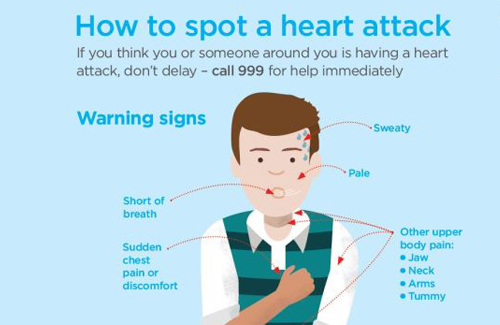
A heart attack is a serious medical condition in which the blood carrying oxygen to the heart gets obstructed. This usually happens whenever there is a clot in the vessel. Such kind of stroke can be life-threatening as the lack of blood can damage the heart muscle. This condition is also known as myocardial infarction. In some cases, the patient might experience some warning signs before the attack while in other cases no signs and symptoms are visible. These warning symptoms include pain in the chest, upper body pain, sweating, fatigue, nausea, and shortness of breath. It is imperative to consult the doctor as soon as a person experiences these symptoms. Most of the heart attacks are a consequence of coronary heart disease.
What causes a heart attack?
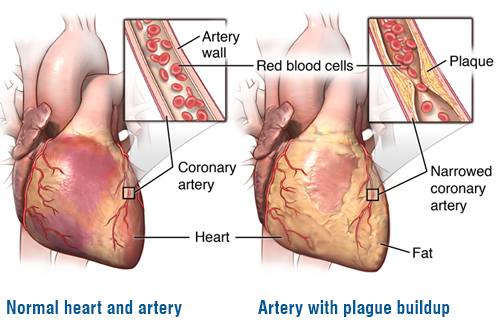
The most common cause for behind a heart attack is an accumulation of plaque on the vessel walls preventing the blood from reaching the heart muscles. Sometimes blood clots or tearing of blood vessels can also be the cause.
The cardiac investigations will either show complete or partial blockage. A complete blockage indicates ST-elevation myocardial infarction i.e STEMI and a partial blockage indicates non-ST elevation myocardial infarction i.e NSTEMI. It is significant carefully investigate the exact condition as the treatment may differ with the condition.
One of the rare causes includes spasm of the coronary artery, which ultimately results in obstruction of blood flow to the heart muscle. Use of tobacco and other illicit drugs like cocaine can cause spasm.
What happens just after one has a heart attack?
Just after an episode of heart attack, the person is admitted to the hospital for a few days. For the immediate 24-48 hours after the episode, the patient’s condition is extremely critical. He/she is kept under the observation in the Coronary Care Unit to be closely monitored. While the patient is in the CCU,
- The blood sugar levels are monitored as there are high chances of increased blood sugar levels. In such cases, insulin treatment is provided.
- Post the attack, significant damage can occur to the heart resulting in loss of control of the electrical activity of the heart that triggers the cardiac cycle.
- The heart is not able to take much load while it is in the recovery phase. Hence, only light and small meals should be given because the intake of heavy meals may put excessive pressure on the heart.
- After being shifted to the ward, the patient is examined for any underlying conditions like hypertension, diabetes or hypercholesterolemia. Eventually, the needful treatment is started. The patient is additionally counseled for any lifestyle and dietary changes that are needed to be done.
- Before getting discharged from the hospital, the patient must not hesitate to clarify all the queries that he/she might have. One should also avoid staying alone at home for sometime after the hospitalization.
- One should also start with the cardiac rehabilitation process as soon as possible. This is is a structured program that will provide guidance related to exercise and other changes to enable the patient to get back to the normal functioning of the body.
What kind of physical activities you can perform after you come back home?
- The patient must be able to do all the routine tasks related to personal hygiene such as bathing, shaving and dressing oneself.
- He/she can climb some stairs at home as a part of routine unless told the doctor not to do so.
- Walking should be an essential part of the daily schedule. This helps in gaining energy. Indulging in cardiac rehabilitation helps to know the right way of doing exercises that the patient would need.
- A person may also return to light household activities like cooking, gardening, dusting and washing dishes once he/she feels recovered and stronger.
- It is better to avoid lifting, pushing or pulling heavy objects unless the doctor permits you to do so.
How to gain mental strength and manage yourself emotionally after a heart attack?
According to the best cardiac surgeons in India, about 50% of the patients tend to feel depressed, frustrated and anxious. Such kind of reactions is very common. However, one must resume back to doing routine activities as mentioned above gain the emotional strength, such as
- Avoid staying in bed all the time. One should get up and get dressed.
- Walking early in the morning every day also helps in keeping the mind and body healthy.
- The patient should start working on hobbies and other social activities.
- One should make sure to have a good sleep of 7-8 hours as lack of sleep also makes a person feel irritable. However, sleeping too much can lead to a more depressed feeling.
- One of the most important things is sharing the thoughts and feelings with family, friends or any kind of support group.
Dietary changes
This is one of the most imperative steps for fast recovery and getting back to the normal functioning of the heart. A healthy diet will also prevent any future cardiac complications. The dietary changes may include,
- The inclusion of more green leafy vegetables, fruits, legumes, pulses, and whole grains.
- Only selective kinds of fat should be consumed.
- Protein foods should be eaten in a diverse form and in the right amount.
- Intake of complex carbohydrates for energy.
- Intake of potassium, magnesium, and calcium should be increased. These elements help in better functioning of heart muscles and nerves, and also their coordination.
A heart attack is a serious condition, but it may not life-ending. Positive approach towards life is the most important factor in the recovery. By making the aforementioned changes in diet and lifestyle, and also by indulging in cardiac rehabilitation can help a patient recover from the condition faster.
Written by
Dr. Kavreen Arora
Vaidam Health · Updated 25 Sept 2026
Content meets the Vaidam Policy and is medically reviewed
Medically reviewed by
Dr. Bhawana Mittal Chat
Chat