

How much does a kidney transplant cost in India
The life of Donald Gyamfi from Ghana revived back after he got a kidney transplant in India. He was suffering from renal failure, which had absolutely hampered his routine life. Then he decided to get a permanent treatment and end his problems. This was when he decided to visit India for his treatment.
Why he chose India to get a kidney transplant? Because it is widely known for providing the best treatment at the most affordable prices.
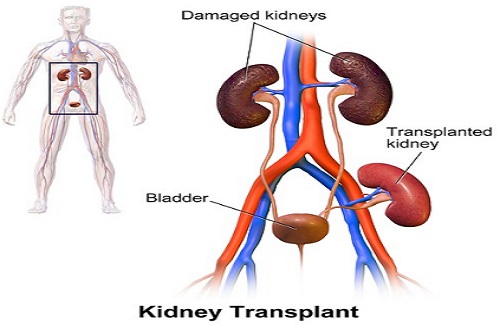
What is a Kidney Transplant?
It is a surgical procedure in which the damaged kidney is removed and replaced by a healthy donor kidney. Kidney transplant is recommended in cases of absolute kidney failure. When the kidneys lose the ability to filter the waste products start accumulating in the body. This causes a rise in blood pressure and end-stage kidney disease. Some of the most common causes of end-stage renal diseases are listed below:
- Uncontrolled hypertension
- Diabetes
- Chronic glomerulonephritis
- Polycystic kidney disease
Cost of Kidney Transplant in India
The cost of kidney transplant in India is much lesser as compared to the cost in other developed nations such as the US. The cost in India ranges from 8000 USD to 13,000 USD, whereas in the US, it may cost you up to 80,000 USD. To add to this, the expense of living there is also very high. The exact cost can only be known after detailed evaluation and may vary depending upon several factors such as,
- The complexity of the case
- Any other medical illness
- Immuno-compromised conditions
- Diabetes
- Choice of the hospital
- City of treatment
Legal Conditions for a Kidney Transplant in India
The rules for a kidney transplant in India are uncompromising. Some of the highlights are:
- Close relatives can donate a kidney to the patient. The close relatives include siblings, parents, children and spouse.
- If there is no close relative, who can be a donor, government permission is required. The permission is given only when there is no commercial situation associated with it.
If the patient is unable to arrange a donor on his own, he would need to register himself and be a part of the waiting list. The wait may be long and the patient would need to be on dialysis till then.
Recovery Period after Kidney Transplant
The recovery phase after a kidney transplant may last for 4-6 weeks. The patient needs to stay at the hospital for some days. The number of days depends on factors such as,
- Type of kidney transplant
- Body’s ability to adapt to the new organ
- Overall health condition
- Immuno-deficiency conditions
What Happens During the Recovery Phase?
- Once you are discharged from the hospital, several medications and dosage are changed. The hospital team will tell you the medicine regime and have a detailed session with you, explaining the post-operative instructions.
- Also, you will be told to monitor your condition on a regular basis. For example, you will need to measure the liquid intake and urine output for at least 6 weeks after the transplant. You must also record body temperature, blood pressure and weight every day.
- You may resume social activities after the discharge, but you must keep in mind the limits of the body.
- You must have an emergency contact number of the hospital and know the signs and symptoms after which you must contact the hospital.
- It is vital to exercise regularly to regular blood pressure, weight and cholesterol levels. Approximately 15-20 minutes of exercise every day is a must.
What is the Success Rate of Kidney Transplant?
According to a survey, approximately 98% of people who have received living-donor kidney transplant can survive for at least 5 years after the surgery. 90% of them can live for 5 more years. About 94% of people receiving deceased-living kidney transplant liver for at least one year after the surgery and 82% amongst them liver for five more years.
Even if the transplanted kidney fails, you can consider having dialysis or a second transplant. However, it is better to take proper care during the recovery phase for the better functioning of the kidney.
Written by
Dr. Kavreen Arora
Vaidam Health · Updated 25 Sept 2026
Content meets the Vaidam Policy and is medically reviewed

Medically reviewed by
Dr. Bhawana Mittal Chat
Chat