

Hip Replacement Surgery in India
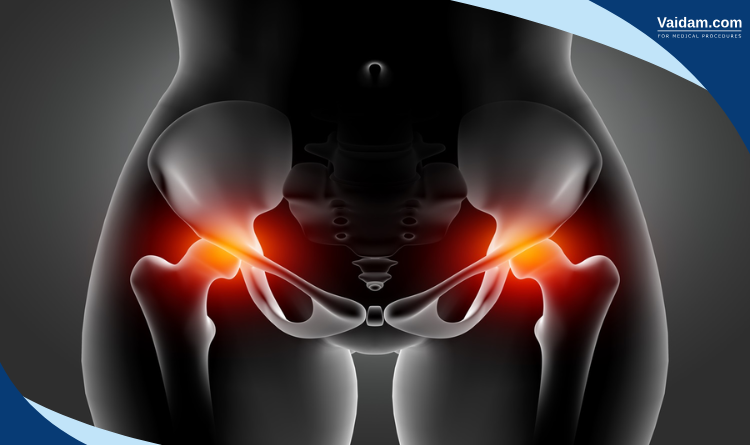
Hip replacement surgery has become a life-changing option for many people suffering from severe hip pain due to conditions like arthritis, injuries, or hip dysplasia. Recently, the number of people seeking this procedure has significantly increased, with over 1,50,000 hip replacements performed in India each year.
This growth has established India as a top choice for medical tourism. It is known for providing the best hip replacement surgery at high quality, with advanced technology and affordable prices.
This guide will provide essential information about hip replacement surgery in India, including what to expect, the procedure's benefits, how to prepare for it, and considerations regarding cost and recovery.
What Is Hip Replacement Surgery?
Hip replacement surgery, also known as hip arthroplasty, is a surgical procedure wherein an orthopaedic surgeon removes the damaged parts of the hip joint and replaces them with prosthetic components.
This operation can be classified into two primary types:
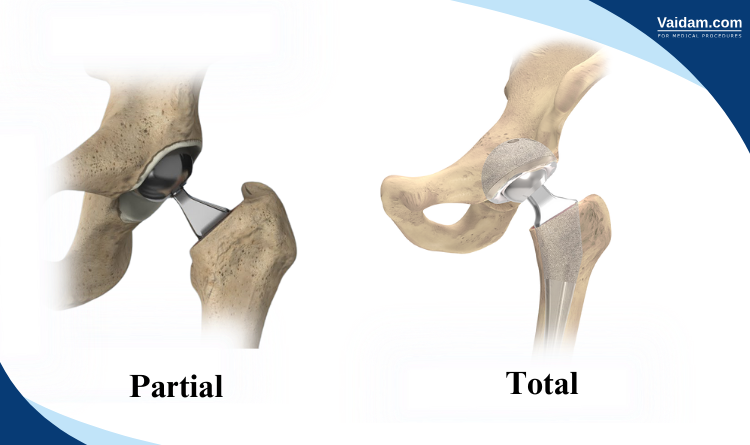
1. Total Hip Replacement
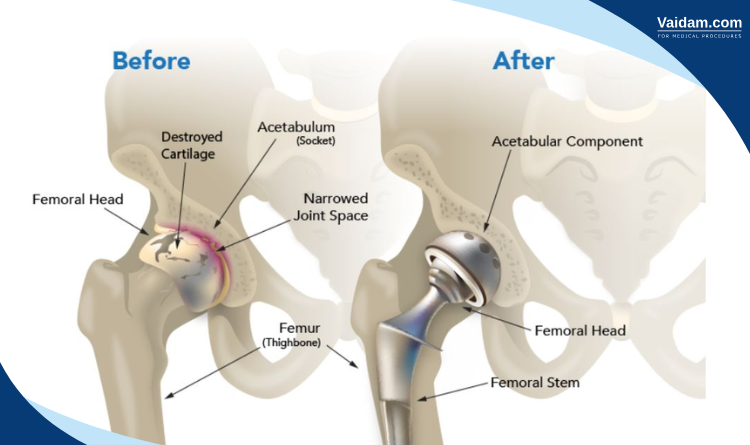
In a total hip replacement, the surgeon completely replaces the hip joint. This involves removing the damaged femoral head (the top of the thigh bone) and replacing it with a prosthetic implant. The acetabulum (the hip socket) is also replaced, allowing for improved joint function and pain relief.
2. Partial Hip Replacement
In some instances, only part of the hip joint is replaced. This procedure is typically performed to repair specific types of hip fractures or to remove certain tumours. Partial hip replacement is less common and is generally reserved for patients who do not require a complete joint replacement.
When Is Hip Replacement Needed?
Hip joint deterioration often necessitates replacement due to various forms of arthritis, including:
- Osteoarthritis: A degenerative joint disease characterised by the breakdown of cartilage, leading to pain and stiffness.
- Rheumatoid arthritis: An autoimmune disorder that causes inflammation in the joints.
- Psoriatic arthritis: A type of inflammatory arthritis that can occur in some people with psoriasis.
Additionally, other conditions that can lead to hip joint damage and require surgery include:
- Osteonecrosis: The death of bone tissue due to a lack of blood supply, often resulting in joint collapse.
- Traumatic injuries: Such as those from car accidents or falls.
- Femoroacetabular impingement syndrome: A condition where extra bone grows along one or both bones that form the hip joint, causing pain.
- Hip dysplasia: A condition where the hip socket is not deep enough to fully cover the ball portion of the upper thigh bone.
- Tumours: Both benign and malignant growths can affect the hip joint.
- Perthes disease: A childhood hip disorder that occurs when the blood supply to the ball of the femur is temporarily disrupted.
What to Expect During the Procedure?
Pre-Operative Assessment
Before undergoing hip joint replacement surgery in India, patients must undergo a thorough preoperative evaluation, including a physical examination and diagnostic tests such as:
- Hip X-rays
- Blood tests (e.g., basic metabolic panel)
- Urinalysis
Additional imaging tests, like MRI or CT scans, may be ordered to provide a comprehensive view of the hip joint, assisting the surgeon in planning the procedure effectively.
During the Surgery
The surgical procedure typically lasts between one to two hours and is performed under regional anaesthesia, which blocks pain in the lower body while allowing the patient to remain awake. The surgeon carefully removes damaged bone and cartilage from the hip joint and replaces it with a prosthesis, which can be made of metal, plastic, or ceramic materials.
Post-Operative Care
After surgery, most patients can return home on the same day, though some may require an overnight stay for observation. Immediate postoperative care involves monitoring recovery from anaesthesia and addressing any complications.
What Are the Benefits of Hip Replacement Surgery?
The benefits of hip replacement surgery in India are substantial. Many patients experience significant pain relief and improved mobility following recovery. They often report:
- Enhanced ability to perform daily activities
- Increased range of motion
- Improved quality of life
What Are the Potential Risks?
While hip replacements are generally safe, potential complications can include:
- Infections
- Blood clots (deep vein thrombosis or pulmonary embolism)
- Dislocation or loosening of the prosthesis
- Stiffness in the joint
- Bone fractures around the implant
How Does the Recovery Process Work?
Recovery Process
The recovery process varies from person to person but generally takes 3 to 6 months. Patients typically engage in physical therapy within 24 hours post-surgery to restore strength and flexibility.
Rehabilitation
Post-surgery rehabilitation after hip replacement in India focuses on exercises to strengthen the muscles surrounding the hip joint and improve mobility. Patients learn techniques for safe movement, such as:
- Walking and transitioning between sitting and standing
- Climbing stairs
- Performing daily activities like bathing and dressing
It may take 6 to 12 weeks for patients to resume normal activities without restrictions.
How Long Will the Implant Last?
Most prosthetic hips are designed for long-term use, with many individuals successfully retaining their implants throughout their lives. These implants are engineered for durability, typically lasting many years. However, several factors can influence their longevity, including a patient's age, activity level, and overall health.
While the majority of patients experience positive outcomes without complications, a small percentage may require additional surgeries or revisions due to wear or other issues that arise over time. Regular check-ups with healthcare providers are essential to track the condition of the implant and address any concerns promptly, ensuring optimal function and comfort.
How Much Does Hip Replacement Surgery Cost in India?
One of the primary advantages of seeking affordable hip replacement surgery in India is its cost-effectiveness compared to Western countries. The cost of hip replacement surgery in India generally ranges from ₹2,50,000 to ₹5,00,000 (approximately $6,000 to $8,000), depending on the type of procedure and the hospital chosen. Typically, costs are significantly lower while maintaining high standards of care and advanced technology.
HP_MAGNET_FORM_CODE
Conclusion
Hip replacement surgery represents a vital solution for those suffering from debilitating hip conditions. Advanced techniques like minimally invasive hip surgery benefit patients by allowing quicker recovery times and reduced postoperative discomfort. The combination of experienced surgeons, state-of-the-art facilities, and affordable costs makes India a preferred destination for hip joint replacement surgery.
Frequently Asked Questions Related to Hip Replacement Surgery in India
1. How long does it take to recover from hip replacement surgery?
Recovery typically takes 3 to 6 months, with rehabilitation starting soon after surgery.
2. Is hip replacement surgery covered by insurance in India?
Yes, many health insurance plans in India cover hip replacement surgery, but it's essential to check specific policy details.
3. How long does hip replacement surgery take?
The surgery usually lasts between 1 to 2 hours.
4. What is the success rate of hip replacement surgery in India?
The success rate of hip replacement surgery in India is generally over 90%.
5. Is hip replacement surgery in India suitable for international patients?
Yes, India is a popular destination for international patients seeking hip replacement surgery due to its advanced medical facilities and affordable costs.
Written by

Suryani Dutta
Vaidam Health · Updated 28 Nov 2024
Suryani Dutta is an experienced healthcare content writer with 4+ years of expertise creating evidence-based, SEO-driven content for the healthcare industry. She has developed 5,000+ healthcare content assets, including blogs, website content, doctor and hospital profiles, treatment pages, social media campaigns, and video scripts.
At Vaidam Health, Suryani creates high-quality content on advanced medical treatments, surgical procedures, hospital guides, doctor profiles, and patient education. Her work combines in-depth research with clear, reader-friendly writing to make complex medical information accessible to a global audience.
Beyond writing, Suryani contributes to content strategy, editorial planning, website optimisation, and digital healthcare campaigns. She has helped strengthen the online presence of healthcare brands by producing accurate, engaging, and search-optimised content.
Passionate about healthcare communication, Suryani is committed to creating trustworthy content that empowers patients, supports informed medical decisions, and highlights the latest advancements in global healthcare.
Outside of work, she enjoys exploring emerging medical innovations, following healthcare trends, and creating educational content that makes a meaningful impact.
Content meets the Vaidam Policy and is medically reviewed
Medically reviewed by
Dr. Shruti Rastogi Chat
Chat