

A Guide to Atrial Fibrillation and Cardiac surgeon Dr. Devananda’s Expertise in this
Dr. Devananda N.S best Cardiovascular and Thoracic Surgeon working as a consultant at Manipal Hospital Bangalore. With the experience of more than 28 years, he has performed many complex and varying surgeries. Being awarded the Rotary Centenary Award for Vocational excellence he has also performed quite 7000 Paediatric and Adult Surgeries. His achievements include successfully removing a PNET tumour from the heart, performing many complicated surgeries varying from a 1-day old infant and an infant weighing just 900 gms. He is an esteemed member of the Indian Association of Cardiovascular and Thoracic Surgery, Paediatric Cardiac Society of India and Indian College of Cardiology (ICC), founding member of Society of Paediatric and Congenital operation, Washington DC, USA. His proficiency lies in performing Minimally Invasive Cardiac Surgery, Aortic Aneurysm Surgery, Complex Valve Surgery and Repair, Beating Heart CABG, Heart Transplants and Ventricular Assist Devices, and Neonatal/Infant/Paediatric Cardiac Surgery.

Atrial Fibrillation
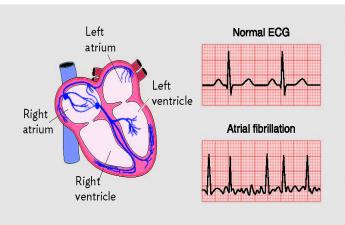
It occurs due to irregular and often rapid heart rate. This can increase the risk of strokes, heart failure, and other heart-related complications. During fibrillation, the heart's two upper chambers beat chaotically and irregularly. They become out of coordination with the two lower chambers of the heart. Atrial fibrillation occurs at different intervals that don't go away and may require treatment. Although it isn't life-threatening, can cause a serious medical condition that sometimes requires emergency treatment. A major concern is its potential to develop blood clots within the upper chambers of the heart. These blood clots in the heart may circulate to other organs and lead to blocked blood flow.
Symptoms
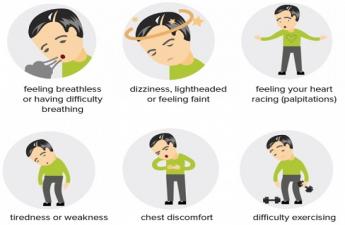
Atrial fibrillation may be occasional, persistent, long-standing, or permanent. Some people are unaware of their condition until it's discovered as they have no symptoms. Some of its symptoms include:
- Palpitations, which means having sensations of a racing, uncomfortable, irregular heartbeat or a flip-flopping in your chest
- Weakness
- Dizziness
- Shortness of breath
- Chest pain
- Reduced ability to exercise
- Fatigue
- Light-headedness
Causes
- Improper functioning of the heart's natural pacemaker
- Previous heart surgery
- Viral infections
- Stress because of surgery, pneumonia, or other illnesses
- Sleep apnea
- High blood pressure
- Heart attack
- Coronary artery disease
- Abnormal heart valves
- Heart defects since birth
- An overactive thyroid gland
- Exposure to stimulants
Treatment
The treatment includes:
- Resetting the rhythm to control the heart rate with the help of electrical cardioversion and cardioversion with drugs.
- Maintaining a normal heartbeat using medications like Dofetilide, Flecainide, Propafenone, Amiodarone, Sotalol
- Heart rate control with the help of digoxin, beta-blockers, and calcium channel blockers
- Catheter and surgical procedure including catheter ablation, maze procedure, Atrioventricular (AV) node ablation.
- Preventing blood clots with the help of Anticoagulants
- Preventing blood clots to decrease the danger of stroke
Take away
It is important to measure a heart-healthy lifestyle to scale back your risk of heart condition. Follow a healthy lifestyle that includes eating a heart-healthy diet and physical activity. Avoid smoking, limit or avoid caffeine and alcohol, reduce stress, and maintain your body weight. Get appropriate consultation and treatment from a good cardiac doctor. For best advice contact Dr. Devananda N.S is one of the best Cardiac Surgeon in Bangalore.
Written by
Abhishek
Vaidam Health · Updated 25 Sept 2026
Content meets the Vaidam Policy and is medically reviewed

Medically reviewed by
Dr. Ankita Wadhwa Chat
Chat