

Dr Sadir Al Rawi is a Principal Consultant and best Surgical Oncologist in Dubai with 28 + years of field experience. His areas of clinical interest lie in Colorectal surgery, Breast Oncology, Head & Neck Surgery, Gynecological Oncology, Colonic Surgery with a special interest in endocrine surgery including thyroid, parathyroid, and adrenal surgery. he is currently affiliated with the Burjeel Hospital, Dubai.
He has completed his graduation with MBBS and post-graduate in MD. Later, he obtained further training in laparoscopic oncology in Dundee, advanced colorectal oncology in Cornwall, England, and advanced surgical oncology in London. he is also having several years of work experience as a Consultant at, University of Florida, Jacksonville. Dr Sadir Al Rawi has published more than 50 papers in peer-reviewed journals and given more than 150 talks in clinical and basic sciences at local, national, and worldwide events.
Dr Sadir Al Rawi's SPECIALIZATION
- Surgical Oncology
- Gynaecological Oncology
- Gastrointestinal Oncology
- Head & Neck Surgery
- Breast Oncology
- Sarcoma/Melanoma
- Peritoneal surface malignancy
- Pancreatic and hepatic surgery
- Colorectal
- Urology
Surgical Oncologist: Your Cancer Surgeon
Oncology is a specialized branch of medicine that deals with the diagnosis, treatment, and study of cancer. Oncologists are doctors that specialize in diagnosing and treating cancer patients. Cancer therapy entails a variety of medical treatments, necessitating the use of a specialist team. The most common procedures performed by surgical oncologists are biopsies and surgery for cancerous growth removal, They can also perform surgery to determine the stage of cancer and how far it has spread. Surgical oncologists may also conduct preventive surgeries in some cases. Surgery may be the only option in some situations. In certain cases, you may need surgery as well as other therapies like chemotherapy or radiation.
Surgical oncologists may use biopsies to diagnose cancers, a biopsy is a procedure that involves removing a sample of tissue or cells from your body to be examined in a laboratory. The type of biopsy you receive depends on where the possible tumour is located.
Types of Biopsy
- Needle biopsy: A needle biopsy is a technique that extracts cells, fluid, or tissue from a suspicious lump or another abnormal region of the body using a thin, hollow needle and a syringe. To establish the source of the abnormality, the material is inspected under a microscope or analysed in a laboratory. A needle biopsy is generally used in case of tumours that doctors can feel through your skin, such as enlarged lymph nodes and suspicious breast lumps.
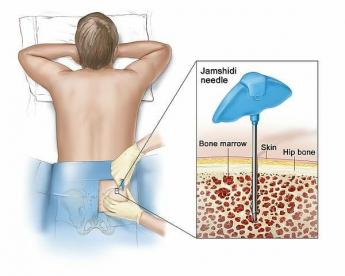
- Bone marrow biopsy: To extract bone marrow, a long needle is inserted into the pelvis bone. These tests for blood cancers like leukaemia and lymphoma. Bone marrow is the soft and spongy material found inside some of your large bones where the blood cells are produced.
-
Endoscopic biopsy: during the endoscopic biopsy doctor use a thin and flexible tube (endoscope) with a light on the end to see inside your body. Special tools are passed through tubes to take a small sample of tissue to examine.
- Liver biopsy: Through the skin on the belly, a needle is inserted into the liver, collecting liver tissue.
- Surgical biopsy: To obtain a biopsy of hard-to-reach tissue, open or laparoscopic surgery may be required. It is possible to remove a piece of tissue or the whole lump of tissue.
- Skin biopsy: A skin biopsy is a process in which a small sample of skin is removed and tested. A microscope is used to examine the skin sample for signs of skin cancer, infections, or skin diseases such as psoriasis.
After a Biopsy
After taking the tissue sample, the doctor will send this sample to the library for further examinations. Pathologists examine the biopsy tissue under the microscope. The result will help the doctor to examined whether the tissue is cancerous. This may help the doctor to find where the cancer is the origin and the type of cancer ( cancer's grade ), these grades will express in numbers on a scale of 1 to 4, a lower grade (grade 1 ) cancer is less aggressive, in higher grade (grade 4) cancer are generally most aggressive. This information may help the doctor to choose special tests on the cancer cells also can help to guide treatment choices.
Dr Sadir Al Rawih is a reputed Oncologist. Currently located at Burjeel Hospital, Dubai, which is one of the best leading hospitals in Dubai. he has treated thousands of patients in his 28+ years of experience.


 Chat
Chat