

Dental Treatment in Turkey: Affordable Treatment and Quality Clinics
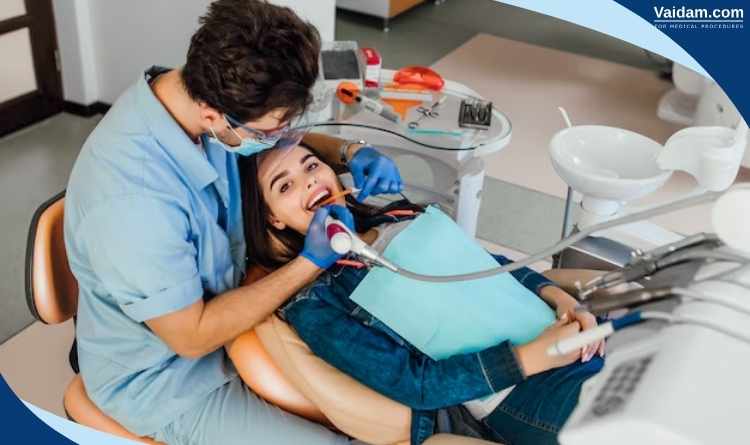
Dental health is the state of the teeth, gums, and mouth in general. It plays an important role in maintaining common fitness and health. Dental care involves regular teeth brushing, regular teeth flossing, and regular visits to the conservatory dental clinic to prevent oral diseases such as caries, periodontal disease, and tooth avulsion. It is a complex process varying in different ages, ranging from childhood through old age, and is critical to optimal nutrition, speech, and high self-esteem.
The affordable dental treatment in Turkey with high levels of dental services and top-notch medical facilities makes it a preferred dental treatment destination for many patients around the globe.
Global Prevalence of Dental Problems
- Tooth decay is the most prevalent non-communicable disease globally, with a prevalence ranging from 60-90% across the school-age population and the adult population.
- According to the World Health Organization (WHO), approximately 30% of people aged 65-74 have no natural teeth.
- Periodontal diseases, which affect the gums and bones supporting the teeth, are also widespread, with about 15-20% of adults suffering from severe periodontal disease.
Prevalent Dental Problems and their Impact
Prevalent dental problems, if left untreated, can significantly affect both oral health and overall well-being. Some of the dental problems are discussed here:
- Tooth Decay (Cavities): Damage to the tooth structure caused by acid-producing bacteria, leading to holes or cavities in the teeth.
- Gum Disease (Periodontal Disease): Inflammation and infectious disease of the periodontal tissue, which may extend to the underlying bone supporting the dentition.
- Tooth Sensitivity: Discomfort or pain in teeth when exposed to hot, cold, or sweet foods and drinks due to exposed tooth roots or worn enamel.
- Tooth Abscess: The painful infection of the pulp of a tooth due to untreated decay or injury.
- Cracked or Broken Teeth: Fractured or chipped teeth due to trauma, grinding, or chewing hard foods.
- Missing Teeth: Loss of teeth due to decay, trauma, or periodontal disease, affecting function and appearance.
- Teeth Grinding (Bruxism): Involuntary biting or grinding of the teeth resulting as a consequence of stress, which damages or wears down the teeth.
- Orthodontic Issues (Crooked or Misaligned Teeth): Dental malocclusion (teeth misalignment) or temporomandibular disorder and biting (malbite) leading to mastication problems, speech problems, and oral hygiene difficulties.
- Bad Breath (Halitosis): Unrelenting unpleasant odour from the mouth, commonly resulting from poor oral hygiene, periodontal disease, and infection.
- Oral Cancer: Invasive lesions in the oral cavity, tongue, buccal mucosa, tongue dorsum, and dorsum of the soft palate, finger/thumb tips, lip/oral commissures, and floor of the mouth that may lead to pain, ulcers, or lumps.
- Wisdom Teeth Problems: Tooth or bone pain, swelling, and infection by impacted or misaligned wisdom teeth.
- Receding Gums: Wearing down the periodontal tissue, making tooth roots and the tissue around it open to sensitivity and caries.
- TMJ Disorders: Problems with the temporomandibular joint, leading to jaw pain, misalignment, and difficulty in chewing or speaking.
- Cosmetic Dental Concerns (Chips, Gaps, or Discoloration): Issues related to the appearance of teeth, such as chips, gaps, or staining.
- Dry Mouth (Xerostomia): Insufficient saliva production, leading to difficulty swallowing and speaking and an increased risk of tooth decay.
Identifying Symptoms and Understanding Causes of Dental Problems
Dental problems can span from mild discomfort to very acute pain, and early diagnosis is of paramount importance in successful treatment. Awareness of symptoms is a means to intervene to prevent issues from escalating to a severe stage:
Early Signs of Dental Issues:
- Tooth sensitivity to hot or cold foods and drinks
- Persistent bad breath or a metallic taste
- Mild bleeding gums when brushing or flossing
- Discomfort while chewing or biting down
Advanced Symptoms of Dental Issues:
- Severe or persistent tooth pain
- Noticeable gum recession or swelling
- Difficulty chewing, speaking, or swallowing
- Abscesses or pus in association with the gum or teeth, which suggest infection.
- Diagnosed/fixed with no contact, i.e., loose/relocatable teeth, which is a pretty common manifestation of gum disease.
Identification of these signs at the early stage can avoid more serious issues like tooth loss or infections.
What Causes Dental Problems?
Several factors contribute to the development of dental problems. Although a certain number are under our control, others can be genetic or lifestyle-driven. The ability to identify the origins of problems will aid in the prevention of such problems:
- Poor Oral Hygiene: This causes plaque accumulation, and plaque can eventually progress into caries or periodontal disease.
- Chronic intake of sweets, soda, and acidic foods can acidify tooth enamel and lead to cavity formation.
- Smoking: Tobacco use is associated with an increased risk of periodontitis, tooth discolouration and oral cancer.
- Genetics: Certain people are genetically vulnerable to dental diseases, including periodontitis or weaker enamel.
- Medical Conditions: Some conditions, such as diabetes, xerostomia (dry mouth) and acid reflux, can also increase caries risk.
Prevention is key to avoiding these problems. Dental checkups, correct brushing and flossing methods, balanced food, and lifestyle changes such as smoking cessation are very important to keep healthy teeth and gums.
Did You Know?
- Turkey boasts a 95%+ success rate for dental treatments like implants and veneers.
- Many Turkish dentists have international training, ensuring top-quality care.
- Dental treatments in Turkey offer high quality at a fraction of the cost compared to Western countries.
What are the Procedures for Dental Treatment in Turkey?
The procedure for dental treatment in Turkey involves a wide range of options, from routine care to specialised interventions aimed at improving oral health and aesthetics. Here's a detailed breakdown of common types of dental treatments:
General Dentistry: Oral Health Advancement
General dentistry is concerned with the prevention of the emergence of the most prevalent dental problems in order to preserve oral health state.
- Dental checkups involve regular dental examinations and professional cleanings. In this procedure, the dentist inspects teeth, gums, and mouth to check for cavities, gum disease, and related problems. Professional cleaning removes plaque and tartar buildup. The earlier finding of issues, whiter breath, and healthier teeth and gums.
- Fillings are used to repair cavities caused by tooth decay. In this treatment, the tooth decay is excised, and the cavity is filled with composite resin or amalgam from that tooth. The procedure helps in restoring the tooth's function and preventing further decay.
- Root canals help in treating infections in the tooth pulp. In this dental treatment, the dentist first removes the infected tissues, cleans the inner part of the tooth, then fills it up with biocompatible material and seals it. This treatment restores the natural teeth and helps you to get relief from pain caused by infection.
General dental care provides a lifetime of healthy smiles by successfully preventing and managing dental problems.
Cosmetic Dentistry: Enhancing Aesthetics and Confidence
The field of cosmetic dentistry is concerned with and aims to improve dental appearance and smiles. Some of the common procedures associated with cosmetic dentistry include
- Teeth whitening is a cosmetic treatment that lightens discoloured teeth. In this treatment, the dentist uses a bleaching agent, sometimes augmented by a laser system for boosting the bleaching capacity. The procedure ensures whiter, brighter teeth for a more attractive smile.
- Veneers, a dental treatment in which a composite of porcelain or composite material adheres to the front of teeth. The veneer's shape and size are analysed and then they are permanently bonded into place using the dental cement. The procedure reduces discoloration and gaps and improves minor misalignments.
- Dental bonding is a procedure to repair chipped, cracked, or discoloured teeth.
In this procedure, the dentist coats the involved tooth with a tooth-colored resin and sculpts it before it cements with a unique light. It restores the appearance and function of damaged teeth.
The cosmetic dentistry enhances smiles and elevates confidence, creating a lasting positive impact.
Restorative Dentistry: Solutions for Damaged or Missing Teeth
Restorative dentistry has the purpose of regenerating functions and aesthetic dentition of compromised or absent teeth.
- The crown procedure includes mouthguards covering diseased teeth to restore strength and aesthetics. In this procedure, the tooth is reshaped, and a prefabricated crown is placed and fixed. This protects weak teeth, restores function, and improves aesthetics.
- Bridges are fixed dental appliances that replace missing teeth. Crowns are applied over adjoining teeth to support the bridge, occluding the gap with artificial teeth. This restores chewing ability and prevents teeth from shifting.
- Dental implants are permanent replacements for missing teeth. In dental implants, titanium is implanted by surgery into the jawbone, and crowns are cemented. This improves the natural appearance, durability, and improved oral function.
Restorative dentistry restores smiles, ensuring optimal function, health, and confidence.
Orthodontics: Achieving Optimal Dental Alignment
The orthodontic treatment in Turkey has gained popularity as the treatment uses advanced devices and resolves repositioning teeth and occlusal problems.
- Metal or ceramic braces are attached to teeth for teeth misalignment correction. In this treatment procedure, wires and brackets exert pressure over time, shifting teeth incrementally in their new positions. Braces reduce the bite issues, improve alignment, and enhance appearance.
Orthodontics offers effective solutions for achieving a well-aligned smile and improved dental function.
Invisalign: A Clear Alternative to Traditional Braces
The process of wearing a series of clear, removable aligners that gradually straighten your teeth. The patient self-fits clear trays that are worn on teeth and are worn and changed at intervals. It is nearly invisible, removable, and more comfortable than traditional braces.
Invisalign provides a discreet, convenient, and comfortable solution for achieving a perfectly aligned smile.
Periodontal Treatments: Preventing and Treating Gum Disease
These therapies are all directed at improving gum health and preventing or treating gum disease.
- Scaling and root planing is a deep cleaning technique aimed at plaque and tartar beneath the gum line.
- Gum surgery is a surgical procedure to treat severe gum disease. Methods such as flap surgery and tissue grafting can be used to restore periodontal health. It reduces pocket depth and restores gum tissue.
Periodontal treatments safeguard gum health, preventing disease and promoting long-term oral wellness.
Prosthodontics: Specialised Care for Complex Tooth Restoration
Prosthodontics involves replacing missing teeth and restoring oral functionality.
- Dentures are removable replacements for missing teeth. All-on-4 or -full or -implants dentures are individually fabricated (and supplied) for a secure fit over the gingiva.
This restores chewing ability, speech, and facial structure.
- Implant-Supported Dentures are oral appliances that replace multiple teeth at once. Implants are surgically placed, and dentures are attached. The procedure improves stability, comfort, and function compared to traditional dentures.
These dental procedures are tailored to cover a wide range of oral health requirements aimed at producing functional, aesthetic, and durable outcomes for patients.
A study found that 76.5% of people in Turkey have dental cavities, influenced by age, dental visits, pain history, and mother's education.
-Findings from the 3rd National Oral Health Survey
Medications for Dental Treatment
There are numerous medications available for dental treatment. Some of them are:
- Pain Relief Medications: Common drugs like Ibuprofen and Codeine are used to manage pain after procedures.
- Antibiotics: These are used as prophylaxis or treatment of infections after extractions or procedures (e.g., Amoxicillin, Clindamycin).
- Antiseptic Mouthwash: Mouthwashes like Chlorhexidine to reduce bacteria and promote healing.
- Fluoride Treatments: Strengthens enamel and prevents cavities, especially for high-risk patients.
- Topical Anesthetics: Topical numbing creams such as Lidocaine are used for pain management during procedures.
- Sedatives: Medications (e.g., Diazepam, Nitrous oxide) to reduce dental anxiety.
Supportive Care in Dental Treatment
- Palliative Care for Dental Pain: Ice packs, non-prescription pain relievers, and soft foodstuffs to help with post-treatment recovery.
- Post-Surgery Care: Post-visit, rest and follow specific aftercare recommendations as part of optimal healing.
- Oral Hygiene Support: Gentle brushing and mouthwash to maintain hygiene during recovery.
- Nutritional Support: Soft diet and hydration to aid healing after procedures.
- Emotional and Psychological Support: Anxiety management and relaxation techniques to ease patient discomfort.
Risk Factors Associated with Dental Treatment
Some of the associated risk factors for dental treatment are:
- Poor oral hygiene increases the risk of cavities, gum disease, and infections.
- Smoking contributes to gum disease, oral cancer, and delayed healing.
- Diabetes may damage the gums and prolong the time needed to heal following dental treatment.
- Age is another factor, as older adults may have weaker teeth and gums, increasing treatment complexity.
- Certain drugs may interfere with healing or increase the risk of dry mouth and infection.
Prevention and Lifestyle Changes for Dental Health
Adopting simple yet effective habits can significantly reduce the risk of dental problems and ensure long-term oral health:
- Maintain Good Oral Hygiene: Brush your teeth twice daily and floss daily to prevent cavities, remove plaque, and maintain healthy gums.
- Follow a Balanced Diet: Consume nutrient-dense foods (fruit, vegetables, dairy) and avoid sweet foods in order to reduce the chance of caries and periodontal disease.
- Quit Smoking and Tobacco Use: To desist smoking and tobacco products to avoid gum disease, oral cancer, and bad breath, and to encourage oral health in the general population.
- Regular Dental Checkups and Cleanings: Visit your dentist regularly for professional cleaning, early identification of problems, and tailored oral health information.
- Stay Hydrated: Consume sufficient amounts of water during the day to keep the mouth hydrated, decrease plaque formation, and prevent xerostomia, all of which can contribute to caries.
How to Choose the Best Dental Clinic in Turkey
Several aspects should be taken into account when choosing among the best dental centers. Some of them are discussed here:
- Accreditation: Look for international certifications like JCI.
- Experience: Check dentist qualifications and patient reviews.
- Technology: Ensure the clinic uses modern diagnostic tools.
- Packages: Compare all-inclusive treatment offers.
- Location: Proximity to tourist attractions can be a plus.
Best Doctors in Turkey for Dental Treatment
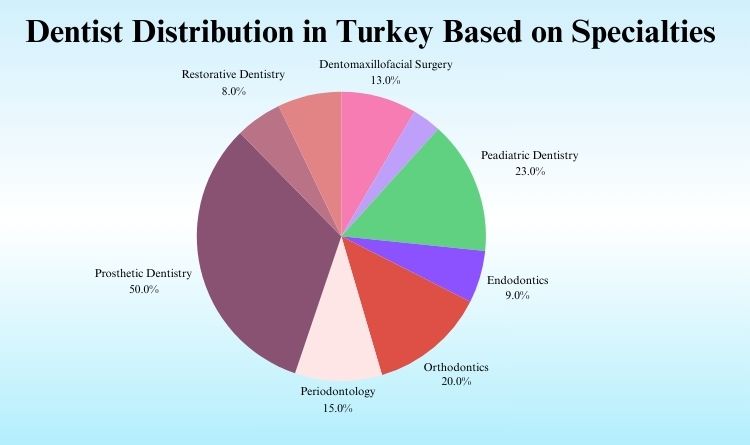
A dentist is considered to be ideal depending on the type of procedure. There are well-known specialists who provide a broad range of high-quality dental treatment, including implants and cosmetic dentistry.
Here is a list of best doctors for Dental Treatment in Turkey:
- Dr. Can Tokman: He is a well-known dentist with experience of more than 25 years. His expertise lies in porcelain crowns and bridges, prosthetic dental treatment, and implantology.
- Dr. Mete Yurtseven: He is one of the reputed prosthodontists in Istanbul, Turkey. He holds 35 years of rich experience in his field.
- Dr. Erdil Köksöken: He is a renowned dentist and has experience of more than 41 years. He has expertise in the treatment of root canal dental treatment in Turkey, Dental treatment—tooth removal (extraction), Dental treatment—fitting of dentures, Dental treatment—fitting of mouthguards, Dental implants, and orthodontic treatment.
- Dr. Halil Pamukcu: He is a known dentist in Turkey and has an experience of more than 23 years. He has expertise in endodontics, implantology, and functional jaw orthopedics.
- Dr. Ozgun Senyurt: He is a well-known oral, dental, and maxillofacial surgeon. He has 18 years of experience in his field.
Best Hospitals and Clinics in Turkey for Dental Treatment
Turkey has numerous dental hospitals and clinics with advanced care and treatment options. Here is a list of the Here is a list of the best hospitals and clinics for Dental Treatment in Turkey.
- Avrupadis Atasehir Oral and Dental Health Polyclinic, Atasehir: It is a branch of Avrupadiş group which provides comprehensive dental treatment services, and the clinic follows the international standards in all the services.
- Istanbul Dental and Plastic & Esthetic Group (IPEG), Istanbul: It is a reputed dental clinic for its technology, infrastructure, and experienced team. The clinic is designed according to international standards.
- Medical Park Group, Istanbul: Medical Park Hospitals Group is a renowned healthcare provider in Istanbul, Turkey, known for its state-of-the-art facilities, exceptional medical expertise, and patient-centric approach. It is a multi-specialty group with hospitals located across different districts of Istanbul.
- Istinye University Hospital, Istanbul: It is a multidisciplinary medical facility and a member of the Liv Hospital Group. The hospital is JCI and ISO 9001 certified, which indicates a high level of quality services.
- ClinicPlast, Istanbul: ClinicPlast is an aesthetic surgery clinic that follows the latest developments in both surgical and non-surgical cosmetic procedures.
What is the Future of Dental Treatment in Turkey?
- Turkey has established itself as a world-class dental tourism destination with excellent dental care for low costs.
- With skilled professionals, advanced clinics, and the chance to explore a beautiful country, getting dental treatment in Turkey can be both a health and travel investment.
- Turkish dental industry remains to be utilising advanced technology up to now, which improves implant survival rates and shortens the recovery periods.
- Due to increasing reputation for high-quality dental care in Turkey, there is a prospect of a growing number of patients coming for dental implant treatment in Turkey.
FAQs About Dental Treatment in Turkey
1.What is the Dental Treatment cost in Turkey?
Dental treatment in Turkey is estimated to cost at a rate of $3,000 to $10,000. The cost can vary based on treatment type, hospital, and specialist.
2. How long does treatment take?
Most procedures are completed within 5-7 days, and the duration can vary depending on the treatment type.
3. How do you know if a dental implant is successful?
Stability is the first sign of a successful dental implant followed by healthy gum tissue, minimal pain, proper healing, functional biting ability, and positive X-ray results showing osseointegration.
4. Is it worth travelling to Turkey for dental care?
Yes, due to cost savings and high-quality services available at the best hospitals for Dental Treatment in Turkey, you can plan your medical tour accordingly.
5. Will insurance cover dental treatment in Turkey?
Most of the treatment packages are covered under insurance. However, you can always check with your insurance provider for international coverage.
Written by

Mariyum Naqvi
Vaidam Health · Updated 30 Dec 2024
Mariyum is an experienced medical writer with a Master’s degree in Biotechnology, specialising in transforming intricate scientific concepts into clear, engaging, and accessible content. With a strong passion for demystifying health and science topics, she excels at crafting content that resonates with diverse audiences, from industry professionals to general readers. Mariyum ensures that her writing is not only informative but also strategically designed to maximise reach and visibility in digital spaces.
Content meets the Vaidam Policy and is medically reviewed

 Chat
Chat