

CHRONIC KIDNEY DISEASE- Everything You Need to Know!
Chronic kidney disease is defined as the gradual loss of kidney function. Normally the function of the kidneys is to filter wastes and excess fluids from your blood, which are then excreted in the urine. At an advanced stage, extremely high levels of fluids, electrolytes, and wastes can build up in the body.
Signs and Symptoms
The body does not manifest any significant signs and symptoms unless the kidney is severely damaged. After a crucial kidney damage has taken place over the time, following signs and symptoms can be observed :
- Fatigue
- Loss of appetite
- Puffiness or edema in eyes, hands, and feet
- Hypertension
- Weight loss
- Muscle twitching
- Shortness of breath
- Nausea & vomiting
Causes of Chronic Kidney Disease
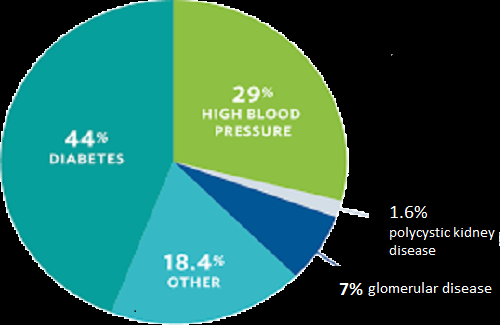
Kidney function can be impaired due to any disease or condition, which may include the following:
- Recurrent kidney infection
- Prolonged obstruction of the urinary tract
- Interstitial Nephritis
- Polycystic kidney disease
- Glomerulonephritis
- Type 1 or type 2 diabetes
- Hypertension
Complications of Chronic Kidney Disease
Over the time progression of chronic kidney disease may lead to following complications such as :
- Damage of Central Nervous System (CNS) leading to an inability to concentrate
- Abrupt rise of potassium levels in the blood, which may cause impairment in the function of the heart
- Increased risk of cardiovascular diseases
- Pregnancy-related complications
- Weaker bones and the increased tendency of fractures
How is Chronic Kidney Disease Treated?
Early stages of this condition can be treated by making dietary and lifestyle changes such as
- Controlling blood sugar
- Maintaining a normal blood pressure
- Eating low-salt diet
- Exercise
- Maintaining a normal weight
- Avoiding alcohol, tobacco, and smoking
However, at the later stages, the patient will need either regular dialysis or a kidney transplant.
There are some of the best nephrology hospitals in India, well equipped with the latest and most sophisticated technology for a successful transplant. A huge number of skilled professionals provide various treatments to over 65000 medical tourists every year. Many patients favor kidney transplant in India and they look it as the preferred destinations as it allows for more than 52% savings and provides par excellence medical care.
Benefits of Kidney Transplant
- No more dialysis
- For most people, it means a longer life and improved quality of life
- Allows freedom of choice of food and liquid
- Enables a more normal lifestyle, including the freedom to travel
- Can improve fertility and many people have successful pregnancies after a transplant
Written by
Dr. Kavreen Arora
Vaidam Health · Updated 25 Sept 2026
Content meets the Vaidam Policy and is medically reviewed

Medically reviewed by
Dr. Bhawana Mittal Chat
Chat