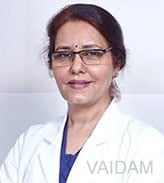
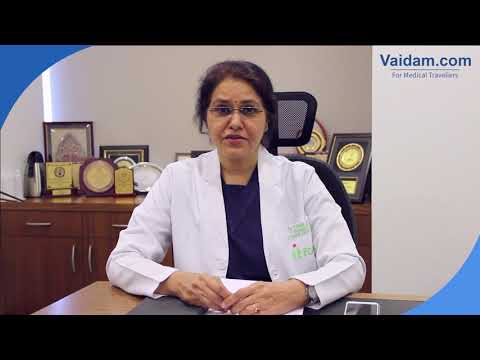
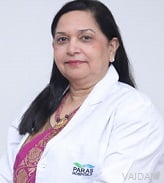
Dr. Rama Joshi is a leading Gynae-Oncologist in the Delhi and Gurgaon region, bringing over 39 years of dedicated experience to the surgical treatment of gynaecological cancers. Renowned for her expertise in radical surgeries, minimally invasive techniques, and robotic-assisted procedures, Dr. Joshi provides compassionate care to women facing these challenging diagnoses.
Why Choose Dr. Joshi?
Extensive Surgical Experience: With nearly 39 years of expertise, Dr. Joshi is a specialist in radical surgeries for gynecological cancers, providing patients with exceptional surgical precision and care.
Comprehensive Cancer Care: She is experienced in performing a wide range of surgeries, including radical hysterectomy for uterine cancer, cytoreductive surgery for ovarian cancer, laparoscopic hysterectomy for cancer, and surgery for fallopian tube cancer.
Robotic Surgery Specialist: Dr. Joshi is trained in the Da Vinci Surgical System, offering patients the benefits of minimally invasive, robotic-assisted surgery for gynaecological cancers.
Internationally Recognised Expertise: Her training includes a UICC Fellowship at BGH, New York, and specialised training at leading cancer centres in the US and France, demonstrating her commitment to the highest standards of care.
Which gynaecological cancers does Dr. Rama Joshi treat?
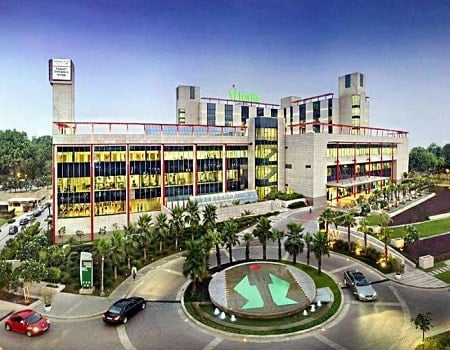
Dr. Rama Joshi, a gynaecologic oncologist at Fortis Memorial Research Institute, Gurgaon, treats uterine, ovarian, fallopian tube and other gynaecological cancers. Treatment is planned after imaging, biopsy and staging.
What is a radical hysterectomy?
A radical hysterectomy removes the uterus, cervix, upper vagina, nearby tissue and often lymph nodes. Dr. Joshi performs it for certain cervical and uterine cancers, depending on type and stage.
What is cytoreductive surgery for ovarian cancer?
Cytoreductive surgery removes as much visible ovarian cancer as possible from the abdomen and pelvis, often followed by chemotherapy. Dr. Joshi performs it; timing is planned individually.
Is robotic surgery an option for gynaecological cancers?
Yes, for selected patients. Dr. Joshi performs robotic-assisted surgery using the Da Vinci system through small incisions. The choice of robotic, laparoscopic or open surgery depends on the cancer.
Which symptoms should prompt a gynaecological cancer check?
Bleeding after menopause or between periods, persistent bloating, pelvic pain, early fullness and unusual discharge should be checked. Most have benign causes, but early assessment matters.
Can a hysterectomy for cancer be done laparoscopically?
Yes, in selected patients. Dr. Joshi performs laparoscopic hysterectomy for cancer, which may mean a shorter hospital stay. Suitability depends on the cancer's type and stage.
Why see a gynaecologic oncologist rather than a general gynaecologist for cancer?
Gynaecologic oncologists are trained to stage and surgically treat female reproductive cancers and coordinate wider cancer care. Dr. Joshi trained at Tata Memorial Hospital and Buffalo General Hospital.
When is a second opinion useful for gynaecological cancer?
A second opinion helps when a diagnosis is new, surgery is extensive, the cancer is rare or options differ. Bring pathology reports, scans and the proposed plan.
What should I bring to a gynaecologic oncology consultation?
Bring biopsy and pathology reports, MRI, CT or PET-CT scans with discs, tumour marker results like CA-125, previous surgery notes and a list of medicines.
Our Network
500+
Top Hospitals
10,000+
Doctors
50+
Cities
10+
Countries
Get a FREE Quote
Fill in your details and our medical experts will contact you within 24 hours.





 Fellowship, Fellowship, Buffalo General Hospital, New York, USA
 Send Your Enquiry
 Chat

 Chat