

What Is the Cost of Waldenström Macroglobulinemia Treatment in India?
Waldenström Macroglobulinemia treatment in India typically ranges from $500 to $6,000 USD, depending on the hospital, city, and type of procedure.
Many people with Waldenström macroglobulinaemia (WM) do not need treatment for years, so costs vary widely:
- Watch and wait: blood tests every three to six months; the lowest cost.
- Fixed-duration chemo-immunotherapy: bendamustine with rituximab, usually six cycles, costed per cycle.
- Continuous BTK inhibitor tablets: zanubrutinib, ibrutinib or acalabrutinib taken daily until progression; the cost continues month after month.
- Plasma exchange: urgent treatment for thick blood (hyperviscosity), billed per session.
Ask your haematologist to compare the total cost of fixed-duration treatment with continuous tablets over a year or two.
When Treatment Is Actually Needed
A raised IgM level on its own is not a reason to start treatment. According to the IWMF, treatment usually begins when the disease causes problems such as:
- Anaemia: most commonly when haemoglobin falls below about 10 g/dL.
- Low platelets: from marrow involvement.
- Symptoms: fevers, night sweats, weight loss or fatigue.
- Complications: hyperviscosity, progressive nerve damage (neuropathy), cryoglobulinaemia, amyloidosis or kidney problems.
Our Services for Waldenström Macroglobulinemia Treatment in India
Transparent, professional support—without the hassles.
Book Doctor Appointment
Choose a specialist and schedule a convenient consultation.
Video or In-person Consultation
Consult remotely or meet your doctor directly at the hospital.
Compare Cost Estimates
Review transparent estimates from suitable hospitals.
Hospitalisation Support
Get coordinated assistance throughout your hospital stay.
 WhatsApp Us
Diagnosis and Tests That Guide Drug Choice
WM is a slow-growing lymphoma that makes an IgM antibody (paraprotein).
- Serum protein electrophoresis and immunofixation: measure and type the IgM paraprotein.
- Bone marrow biopsy: confirms lymphoplasmacytic lymphoma.
- MYD88 and CXCR4 mutations: help predict how well BTK inhibitors will work.
- Serum viscosity and eye examination: if headache, nosebleeds or blurred vision suggest thick blood.
Outlook and Planning Your Visit
MSD reports median survival of about 7 to 10 years, and many patients need no treatment for years. With modern treatments, many live considerably longer.
- Diagnostic visit: about one to two weeks for tests and a treatment plan.
- Rituximab precaution: IgM can rise temporarily after starting rituximab (IgM flare); plasma exchange may be done first if IgM is very high.
- BTK inhibitor monitoring: watch for irregular heartbeat, bleeding and high blood pressure.
Indian hospitals commonly advertise savings of 60% to 80% compared with the United States, UK, or private Middle Eastern centers. Treat that as a general comparison rather than a verified figure for this treatment, and compare itemised written quotes.
Top Doctors in India
Recommended Doctors for Waldenström Macroglobulinemia Treatment








Top Hospitals in India
Recommended Hospitals for Waldenström Macroglobulinemia Treatment
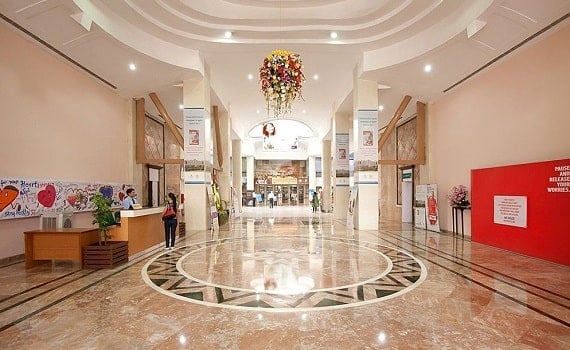

Frequently Asked Questions Related to Waldenström Macroglobulinemia Treatment Cost in India
WM is not usually curable, but it is slow-growing and treatable. Many people live for many years, often with long periods without treatment.
Watch and wait when there are no symptoms; when treatment is needed, rituximab-based chemo-immunotherapy (such as bendamustine-rituximab) or BTK inhibitor tablets; plasma exchange for hyperviscosity.
Second-generation BTK inhibitors (zanubrutinib, acalabrutinib) cause fewer heart side effects than ibrutinib. Other drugs, including venetoclax and BTK degraders, are being studied.
Thickening of the blood from very high IgM, causing headache, nosebleeds, blurred vision, dizziness or confusion. It needs urgent plasma exchange.
Many people have none at diagnosis. Others have tiredness from anaemia, nosebleeds, blurred vision, numbness in the feet, swollen glands or night sweats.
Rarely, and only in selected younger patients with relapsed disease. Drug treatment is standard.
Waldenström Macroglobulinemia treatment in India typically ranges from $500 to $6,000 USD, depending on the hospital, city, and type of procedure.
Continuous BTK inhibitor treatment and rituximab cycles are the main cost drivers.
A temporary rise in IgM after starting rituximab, which can worsen hyperviscosity. Doctors may reduce IgM with plasma exchange first or delay rituximab.
Blood counts, IgM level and kidney function every three to six months, plus review of symptoms.
Most cases are not inherited, though having a close relative with WM or related blood disorders slightly increases risk.
 Chat