

What Is the Cost of Vulvar Cancer Treatment in Germany?
The cost of Vulvar Cancer treatment in Germany typically ranges from $18,000 to $70,000 USD, depending on the hospital, city, and type of procedure.
Vulval cancer develops in the skin of the vulva, the outer female genital area. The plan depends on how large the cancer is, where it sits and whether it has reached the lymph nodes. In Germany, the total depends on:
- Extent of surgery: a wide local excision, part of the vulva or the whole vulva.
- Groin lymph nodes: whether nodes are sampled or removed.
- Reconstruction: closing larger wounds with skin or muscle flaps.
- Radiotherapy and chemotherapy: before, after or instead of surgery.
Cancer treatment costs depend on the stage and the treatments needed. A full course of care can cost more than this range, so ask what each estimate includes.
How Surgeons Treat Vulval Cancer
The NHS describes surgery as the main treatment, particularly for cancer found early. Depending on the tumour, the surgeon removes the cancer with a border of healthy tissue, part of the vulva or the whole vulva, and some groin lymph nodes may be taken out to check for spread.
After a larger operation, the wound may be closed with nearby skin or rebuilt by a plastic surgeon using skin or muscle from elsewhere in the body.
Our Services for Vulvar Cancer Treatment in Germany
Transparent, professional support—without the hassles.
Book Doctor Appointment
Choose a specialist and schedule a convenient consultation.
Video or In-person Consultation
Consult remotely or meet your doctor directly at the hospital.
Compare Cost Estimates
Review transparent estimates from suitable hospitals.
Hospitalisation Support
Get coordinated assistance throughout your hospital stay.
 WhatsApp Us
Vulval Cancer: Radiotherapy, Chemotherapy and Check-Ups
Radiotherapy can shrink a cancer before surgery, lower the chance of it returning afterwards or treat it when an operation is not possible. Cancer Research UK notes that chemotherapy, such as cisplatin or 5FU, is usually given alongside radiotherapy rather than on its own.
Check-ups may be every three months at first. Precancerous skin changes, known as VIN, are often removed with a wide local excision.
Vulval Cancer Treatment in Germany
The German Cancer Society certifies gynaecological cancer centres, which must show every year that they meet set requirements. International patients are usually treated in Germany as self-paying patients: the hospital reviews the medical reports, sends a cost estimate and asks for an advance payment before admission, then settles the final bill after discharge.
Wound healing after vulval surgery can take several weeks, so ask how long the team advises staying near the hospital before travelling home.
Top Hospitals in Germany
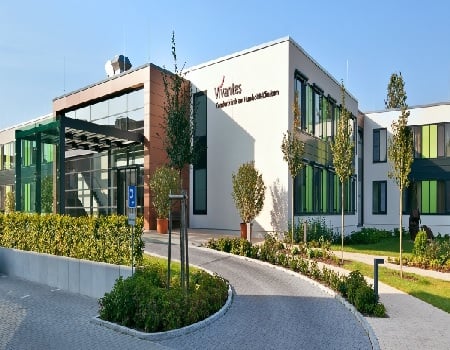
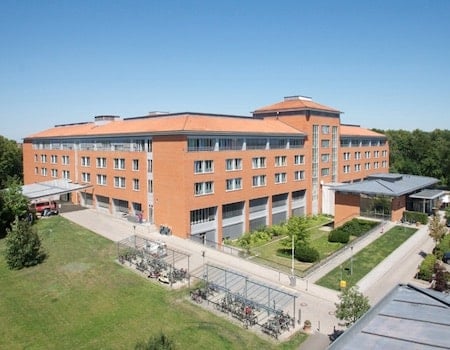
Recommended Hospitals for Vulvar Cancer Treatment













Frequently Asked Questions Related to Vulvar Cancer Treatment Cost in Germany
Vulval cancer affects the vulva, the outer female genitals including the labia and clitoris. A gynaecological cancer team plans the treatment.
Most do, as surgery is the main treatment, especially for cancer found early. When surgery is not possible, radiotherapy with or without chemotherapy may be used instead.
Vulval cancer can spread first to lymph nodes in the groin. Removing or sampling some of these nodes shows whether it has spread and guides further treatment.
Yes, a plastic surgeon can rebuild the area using skin or muscle taken from another part of the body, according to the NHS. Smaller wounds are usually closed with nearby skin.
Cancer Research UK says chemotherapy for vulval cancer is usually given together with radiotherapy. It may also be used to ease symptoms if the cancer has spread.
VIN (vulval intraepithelial neoplasia) is a precancerous change in the skin of the vulva. Cancer Research UK notes that it is often treated by cutting out the affected skin.
The cost of Vulvar Cancer treatment in Germany typically ranges from $18,000 to $70,000 USD, depending on the hospital, city, and type of procedure.
Cancer Research UK says check-ups may be every three months at first, usually with a doctor or specialist nurse. They become less frequent as time goes on.
The aim is then to slow the cancer, control symptoms and help people live well for longer. Palliative and symptom control teams support this, according to the NHS.
The stay depends on the size of the operation and how the wound heals, which can take several weeks after larger surgery. The surgeon can advise when travel is safe.
 Chat