

What Is the Cost of Vascular Neurosurgery in Germany?
The cost of vascular neurosurgery in Germany typically ranges from $25,000 to $60,000 USD, depending on the hospital, city, and type of procedure.
Vascular neurosurgery treats conditions of the blood vessels of the brain and spine, such as aneurysms, arteriovenous malformations, fistulas and cavernomas, using open surgery or catheter techniques. In Germany, the total depends on:
- Condition treated: aneurysm, AVM, fistula, cavernoma or haemorrhage.
- Open or endovascular treatment: clipping, coiling, embolisation or stenting.
- Intensive care: after many procedures.
- Emergency or planned care: which affects how treatment is arranged.
Vascular neurosurgery is not one operation, and costs vary widely. Confirm the exact procedure before comparing quotes.
Conditions and Treatments
The Walton Centre explains that neurovascular services treat ruptured and unruptured aneurysms, AVMs, dural arteriovenous fistulas, cavernomas and bleeding in the brain. Treatments include surgical clipping, endovascular occlusion, cavernoma surgery, carotid and vertebral stenting and clot retrieval (thrombectomy).
Cases are discussed at a weekly meeting of neurosurgeons and interventional neuroradiologists.
Our Services for Vascular neurosurgery in Germany
Transparent, professional support—without the hassles.
Book Doctor Appointment
Choose a specialist and schedule a convenient consultation.
Video or In-person Consultation
Consult remotely or meet your doctor directly at the hospital.
Compare Cost Estimates
Review transparent estimates from suitable hospitals.
Hospitalisation Support
Get coordinated assistance throughout your hospital stay.
 WhatsApp Us
Choosing Between Open and Catheter Treatment
The choice between open surgery and catheter treatment depends on the condition, its location and the patient's health.
Emergency treatment, for example after a burst aneurysm, cannot follow the usual planned estimate process.
Neurovascular Treatment in Germany
International patients are usually treated in Germany as self-paying patients: the hospital reviews the medical reports, sends a cost estimate and asks for an advance payment before admission, then settles the final bill after discharge.
Inpatient hospital care in Germany is billed under the German DRG system, which depends on the main diagnosis, other diagnoses and the procedures carried out, so the final amount is known only after the stay.
The federal Bundes-Klinik-Atlas, launched in May 2024, shows hospital case numbers by department, nursing staff levels and selected certificates.
Top Hospitals in Germany
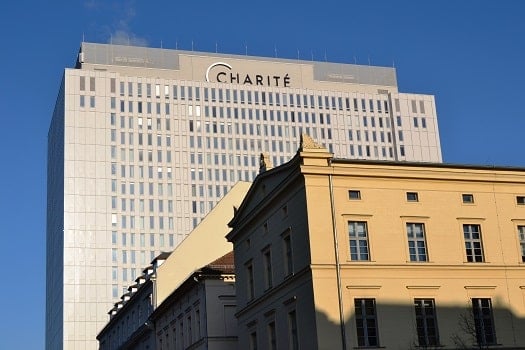
Recommended Hospitals for Vascular neurosurgery








Frequently Asked Questions Related to Vascular neurosurgery Cost in Germany
Vascular neurosurgery treats conditions of the blood vessels of the brain and spine. It uses open surgery or catheter techniques.
The Walton Centre lists aneurysms, AVMs, dural fistulas, cavernomas and bleeding in the brain. Each needs a different approach.
Treatments include clipping, endovascular occlusion, cavernoma surgery, stenting and thrombectomy. The team chooses based on the condition.
Clipping places a clip on an aneurysm through open surgery, while coiling fills it with coils through a catheter. The choice depends on the aneurysm.
Cases are discussed at a meeting of neurosurgeons and interventional neuroradiologists, according to The Walton Centre. This helps choose the safest option.
A cavernoma is a cluster of abnormal blood vessels that can bleed or cause seizures. Some need surgery, while others are monitored.
The cost of vascular neurosurgery in Germany typically ranges from $25,000 to $60,000 USD, depending on the hospital, city, and type of procedure.
A dural arteriovenous fistula is an abnormal connection between arteries and veins in the covering of the brain. It can be treated by catheter or surgery.
No, emergency treatment such as for a burst aneurysm happens straight away. Planned treatment follows the usual estimate process.
The Bundes-Klinik-Atlas shows case numbers by department and selected certificates. Ask the team about its experience with your condition.
 Chat