

What Is the Cost of Uterine Cancer Treatment in India?
Uterine Cancer treatment in India typically ranges from $3,000 to $15,000 USD, depending on the hospital, city, and type of procedure.
This page covers endometrial cancer, which accounts for most uterine cancers; uterine sarcoma is a separate, rarer disease with its own page. Costs mainly depend on:
- Surgical approach: total hysterectomy with removal of both ovaries and tubes, done open, laparoscopically or robotically; robotic surgery usually costs more.
- Lymph node assessment: sentinel node mapping or node dissection.
- Additional treatment: vaginal brachytherapy, external radiotherapy, chemotherapy or immunotherapy for higher-risk tumours.
Ask whether the quote includes molecular testing of the tumour, which increasingly determines whether further treatment is needed.
Why Most Women Are Diagnosed Early
Endometrial cancer usually causes bleeding after menopause early in its course, so most women are diagnosed while the cancer is still confined to the uterus, when surgery alone is often curative. Any bleeding after menopause should be investigated promptly.
- First tests: transvaginal ultrasound to measure the lining, then an endometrial biopsy (office Pipelle or hysteroscopy).
- Staging: MRI of the pelvis and CT of chest and abdomen for higher-risk types.
- Fertility-sparing option: selected young women with early, low-grade disease may be offered progestin therapy instead of hysterectomy, with close monitoring.
Our Services for Uterine Cancer Treatment in India
Transparent, professional support—without the hassles.
Book Doctor Appointment
Choose a specialist and schedule a convenient consultation.
Video or In-person Consultation
Consult remotely or meet your doctor directly at the hospital.
Compare Cost Estimates
Review transparent estimates from suitable hospitals.
Hospitalisation Support
Get coordinated assistance throughout your hospital stay.
 WhatsApp Us
How Tumour Testing Now Guides Further Treatment
The 2023 FIGO staging system incorporates molecular classification of the tumour. The result helps decide who can safely skip extra treatment and who needs more:
- POLE-mutated: generally very good outlook; further treatment may be reduced.
- Mismatch repair deficient (dMMR): may respond to immunotherapy in advanced disease and raises the question of Lynch syndrome in the family.
- p53-abnormal: higher risk; chemotherapy with or without radiotherapy is often recommended.
- No specific molecular profile: decisions rely on grade, stage and other pathology features.
Recovery After Hysterectomy for Endometrial Cancer
After minimally invasive hysterectomy most women go home in one to two days and return to light activity within two to three weeks. Lifting and intercourse are usually avoided for about six weeks.
- Stay in India: about one to two weeks for surgery and pathology; longer if brachytherapy or radiotherapy follows.
- Follow-up: examination every three to six months for two to three years.
- Family history: a dMMR result may lead to Lynch syndrome testing for you and relatives.
Indian hospitals commonly advertise savings of 60% to 80% compared with the United States, UK, or private Middle Eastern centers. Treat that as a general comparison rather than a verified figure for this treatment, and compare itemised written quotes.
Top Doctors in India
Recommended Doctors for Uterine Cancer Treatment

Dr. Anjali Kumar
Head of Department
Obstetrician and GynaecologistCK Birla Hospital, Gurgaon





Top Hospitals in India
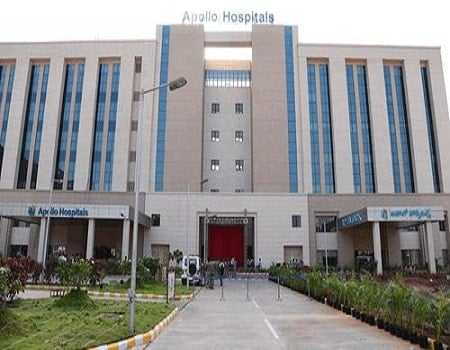
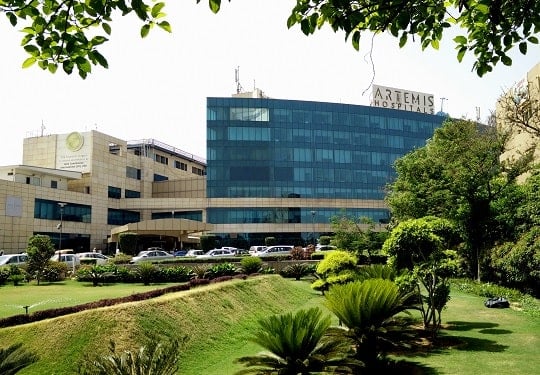
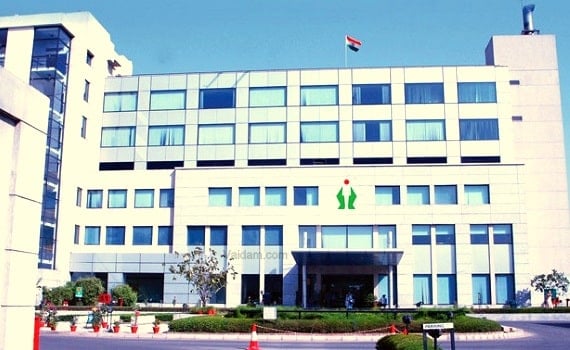
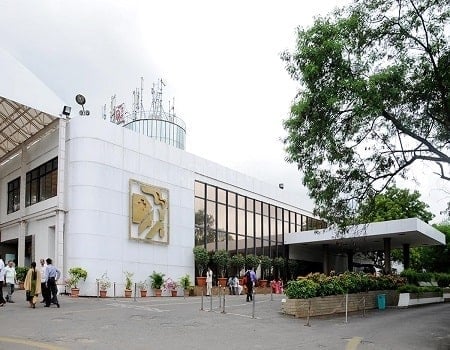
Recommended Hospitals for Uterine Cancer Treatment








Frequently Asked Questions Related to Uterine Cancer Treatment Cost in India
Most endometrial cancers are found at an early stage and cured with surgery, sometimes with radiotherapy. Outlook is lower for advanced or aggressive types such as serous carcinoma.
Bleeding after menopause is the most common early sign. Before menopause, heavy, prolonged or between-period bleeding needs checking, especially with risk factors such as obesity or diabetes.
Removal of the uterus, cervix, both ovaries and fallopian tubes, with sentinel node mapping or node removal. It is often done laparoscopically or robotically.
Not always. Low-risk early tumours often need no further treatment. Intermediate-risk tumours may get vaginal brachytherapy, and higher-risk tumours may get external radiotherapy and chemotherapy.
A dye is injected into the cervix and traced to the first lymph nodes it drains to. Removing those nodes gives staging information with fewer side effects than removing all pelvic nodes.
Some women with early, low-grade endometrial cancer can be treated with progestin hormone therapy and close monitoring, with hysterectomy after childbearing. This needs careful selection by a specialist.
Uterine Cancer treatment in India typically ranges from $3,000 to $15,000 USD, depending on the hospital, city, and type of procedure.
Robotic surgery and post-operative radiotherapy or chemotherapy are the main reasons for higher totals.
An inherited condition that raises the risk of endometrial, bowel and other cancers. If your tumour is mismatch-repair deficient, genetic testing can identify whether relatives need earlier screening.
Two to three weeks for light activity after keyhole surgery, about six weeks after open surgery. Avoid heavy lifting and intercourse for around six weeks.
Uterine (endometrial) cancer starts in the lining of the uterus and is common. Uterine sarcoma starts in the muscle or supporting tissue, is rare, behaves more aggressively and is treated differently.
 Chat