

What Is the Cost of Thyroid Cancer Treatment in Germany?
The cost of Thyroid Cancer treatment in Germany typically ranges from $18,000 to $70,000 USD, depending on the hospital, city, and type of procedure.
Thyroid cancer starts in the thyroid gland at the front of the neck. Surgery is the most common treatment. In Germany, the total depends on:
- Extent of surgery: removing the whole thyroid or one lobe.
- Radioactive iodine: after surgery for some cancers.
- Hormone replacement: daily tablets after the thyroid is removed.
- Follow-up: regular blood tests and scans.
Cancer treatment costs depend on the stage and the treatments needed. A full course of care can cost more than this range, so ask what each estimate includes.
Thyroid Surgery and Radioactive Iodine
The NHS says surgery may remove the whole thyroid (total thyroidectomy) or one half of it (lobectomy). Nearby lymph nodes in the neck may also be removed if cancer has spread there or might do so.
Radioactive iodine, taken as a capsule or drink, is absorbed by thyroid cells. It is used after surgery to destroy any remaining cancer cells or lower the risk of recurrence, and when cancer returns or spreads.
Our Services for Thyroid Cancer Treatment in Germany
Transparent, professional support—without the hassles.
Book Doctor Appointment
Choose a specialist and schedule a convenient consultation.
Video or In-person Consultation
Consult remotely or meet your doctor directly at the hospital.
Compare Cost Estimates
Review transparent estimates from suitable hospitals.
Hospitalisation Support
Get coordinated assistance throughout your hospital stay.
 WhatsApp Us
Hormone Tablets and Other Thyroid Cancer Treatments
Once the thyroid is removed, daily tablets replace the hormones it made and also help lower the chance of the cancer returning. Tablets may be needed after partial removal too.
Targeted medicines are used when other treatments are not suitable or have stopped working, and external radiotherapy is used if surgery cannot remove the cancer. Chemotherapy is not usually part of treatment.
Thyroid Cancer Treatment in Germany
Radioactive iodine treatment is given on a nuclear medicine ward with a short stay for radiation safety, and it is usually estimated separately from surgery. International patients are usually treated in Germany as self-paying patients: the hospital reviews the medical reports, sends a cost estimate and asks for an advance payment before admission, then settles the final bill after discharge.
Ask how long the nuclear medicine stay is expected to be and whether follow-up scans are included.
Top Doctors in Germany
Recommended Doctors for Thyroid Cancer Treatment



Top Hospitals in Germany
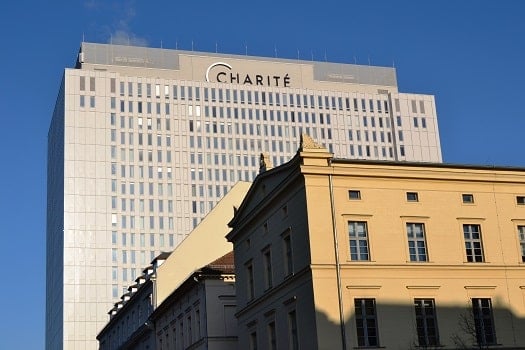
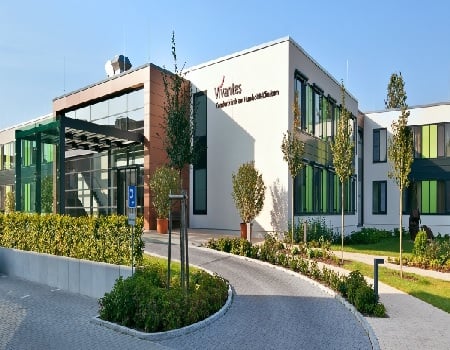
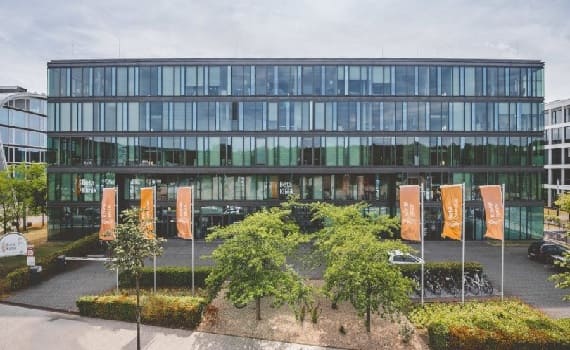
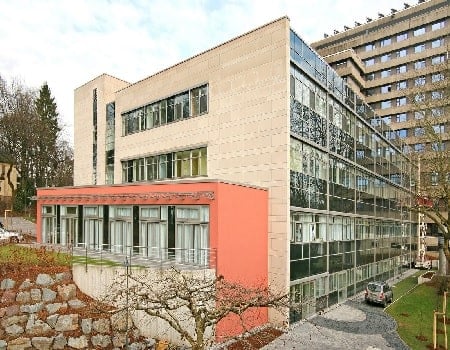
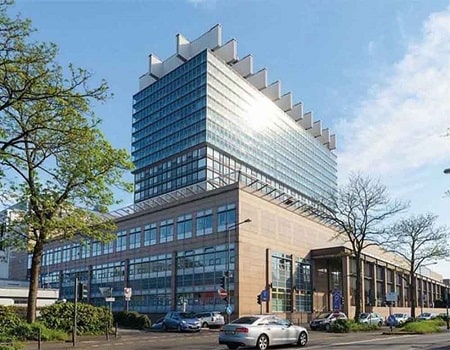
Recommended Hospitals for Thyroid Cancer Treatment





Frequently Asked Questions Related to Thyroid Cancer Treatment Cost in Germany
Surgery is the most common treatment for thyroid cancer, according to the NHS. Other treatments are planned around its results.
A total thyroidectomy removes the whole thyroid, while a lobectomy removes one of its two halves. The choice depends on the size and type of cancer.
After the whole thyroid is removed, daily hormone tablets are needed, usually for life. They replace the hormones the thyroid used to make.
Radioactive iodine is taken as a capsule or drink and absorbed by thyroid cells. It destroys any thyroid cancer cells left after surgery.
Chemotherapy is not usually used for thyroid cancer, according to the NHS. It may be considered in rare situations when the cancer returns or spreads.
Targeted medicines are used when other treatments are not suitable or have stopped working. They may also be used when the cancer has spread.
The cost of Thyroid Cancer treatment in Germany typically ranges from $18,000 to $70,000 USD, depending on the hospital, city, and type of procedure.
Nearby lymph nodes in the neck may be removed if the cancer has spread to them or might do so, according to the NHS. The surgeon explains this before the operation.
Regular check-ups, blood tests and scans continue after treatment. New symptoms should be reported promptly.
Patients are briefly radioactive after treatment, so they stay on a nuclear medicine ward until levels fall. This short stay is usually billed separately from surgery.
 Chat