

What Is the Cost of Thymoma and Thymic Carcinoma Treatment in Germany?
The cost of Thymoma and Thymic Carcinoma treatment in Germany typically ranges from $18,000 to $70,000 USD, depending on the hospital, city, and type of procedure.
Thymoma and thymic carcinoma are rare tumours of the thymus, a small gland in the upper chest behind the breastbone. Thymoma grows slowly, while thymic carcinoma grows faster. In Germany, the total depends on:
- Surgery: the most common treatment for thymoma.
- Radiotherapy: often after surgery.
- Chemotherapy: before or after surgery, or on its own.
- Targeted drugs: for tumours that return.
Cancer treatment costs depend on the stage and the treatments needed. A full course of care can cost more than this range, so ask what each estimate includes.
Thymic Tumours: Types and Symptoms
The US National Cancer Institute (NCI) explains that thymoma grows slowly and rarely spreads beyond the chest, while about 1 in 5 thymic tumours is a thymic carcinoma, which grows faster. Myasthenia gravis, a muscle weakness condition, is the most common linked condition.
Most people have no symptoms, but a cough, breathlessness, chest pain or swelling of the face and neck can occur. Tests include CT, PET and MRI scans and a biopsy.
Our Services for Thymoma and Thymic Carcinoma Treatment in Germany
Transparent, professional support—without the hassles.
Book Doctor Appointment
Choose a specialist and schedule a convenient consultation.
Video or In-person Consultation
Consult remotely or meet your doctor directly at the hospital.
Compare Cost Estimates
Review transparent estimates from suitable hospitals.
Hospitalisation Support
Get coordinated assistance throughout your hospital stay.
 WhatsApp Us
Treatment for Thymoma and Thymic Carcinoma
Surgery is the most common treatment for thymoma and is often followed by radiotherapy. Chemotherapy may be given before or after surgery, or on its own when surgery is not possible.
Sunitinib, lenvatinib, everolimus and octreotide are options for tumours that return. Lifelong follow-up is advised for thymoma.
Thymic Tumour Surgery in Germany
Thymic tumours are rare, so international patients may want to ask how many such operations the thoracic surgery team performs each year. International patients are usually treated in Germany as self-paying patients: the hospital reviews the medical reports, sends a cost estimate and asks for an advance payment before admission, then settles the final bill after discharge.
The federal Bundes-Klinik-Atlas, launched in May 2024, shows hospital case numbers by department, nursing staff levels and selected certificates.
Top Hospitals in Germany
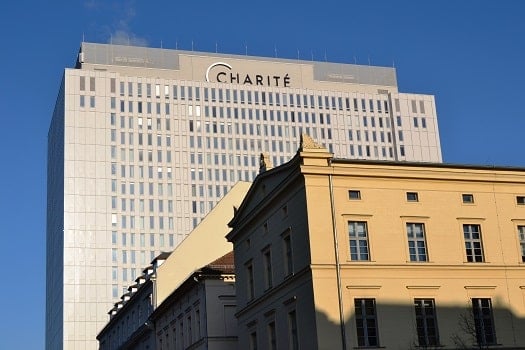
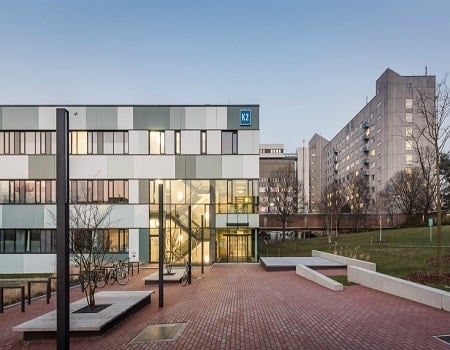
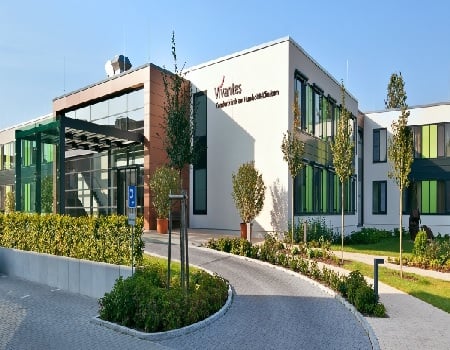
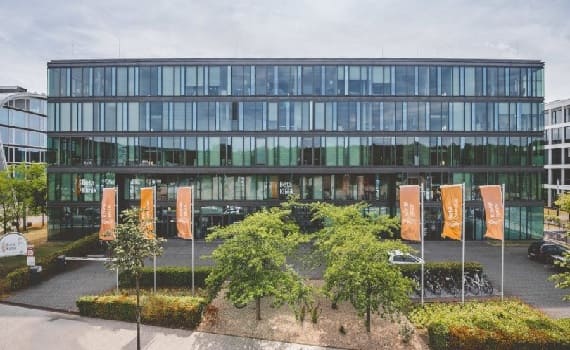
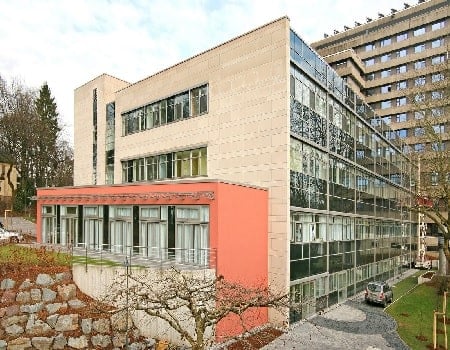
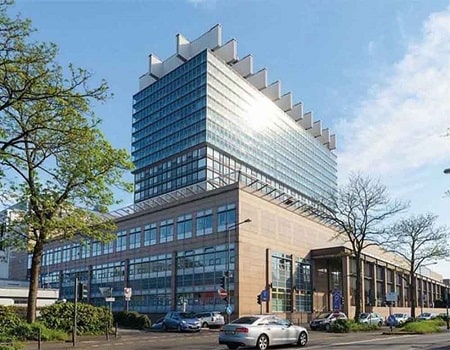
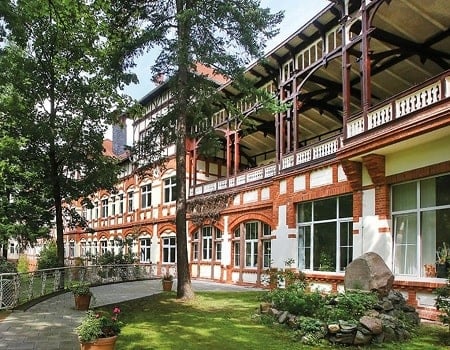
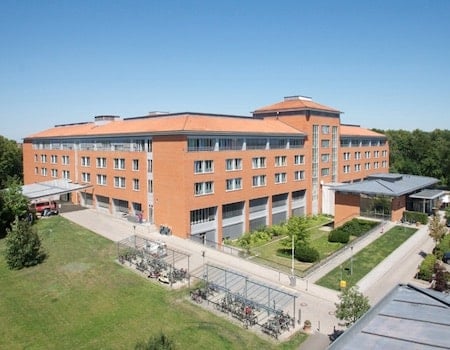
Recommended Hospitals for Thymoma and Thymic Carcinoma Treatment




Frequently Asked Questions Related to Thymoma and Thymic Carcinoma Treatment Cost in Germany
The thymus is a small gland in the upper chest, behind the breastbone. It plays a role in the immune system, especially in childhood.
Thymoma grows slowly and rarely spreads beyond the chest. Thymic carcinoma grows faster and is more likely to spread.
Myasthenia gravis, a condition causing muscle weakness, is the condition most commonly linked to thymoma, according to the NCI. Treating the thymoma can help.
Most people have no symptoms, and the tumour is found on a scan. Cough, breathlessness, chest pain or swelling of the face and neck can occur.
Surgery to remove the tumour is the most common treatment for thymoma, according to the NCI. Radiotherapy often follows.
Chemotherapy may be given before surgery to shrink the tumour, after surgery or on its own. It is used more often for thymic carcinoma.
The cost of Thymoma and Thymic Carcinoma treatment in Germany typically ranges from $18,000 to $70,000 USD, depending on the hospital, city, and type of procedure.
The NCI lists sunitinib, lenvatinib, everolimus and octreotide among options for recurrent tumours. The choice depends on the tumour type.
Thymoma can come back many years after treatment, so the NCI advises lifelong follow-up. Regular scans check for this.
Ask the thoracic surgery team how many thymic tumour operations it performs each year. The Bundes-Klinik-Atlas also shows case numbers by department.
 Chat